India to Restore UPI Merchant Fees, PhonePe Gains Most
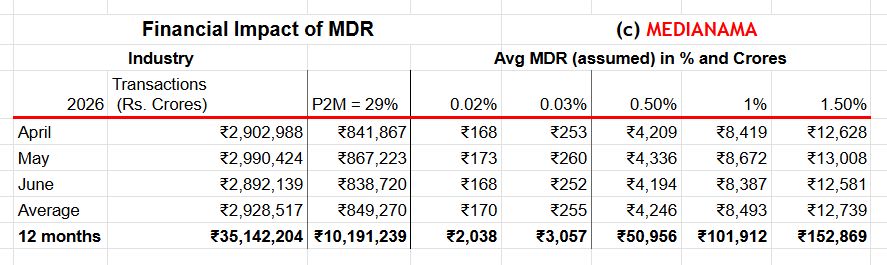
India's government plans to amend the Payment and Settlement Systems Act to restore UPI merchant discount rates, ending the zero-MDR regime in place since January 2020.
Key Takeaways
May 7, 2026 · 2 min read · By Rishabh Bhardwaj
·
AI-assisted, human-reviewed · Our editorial standards
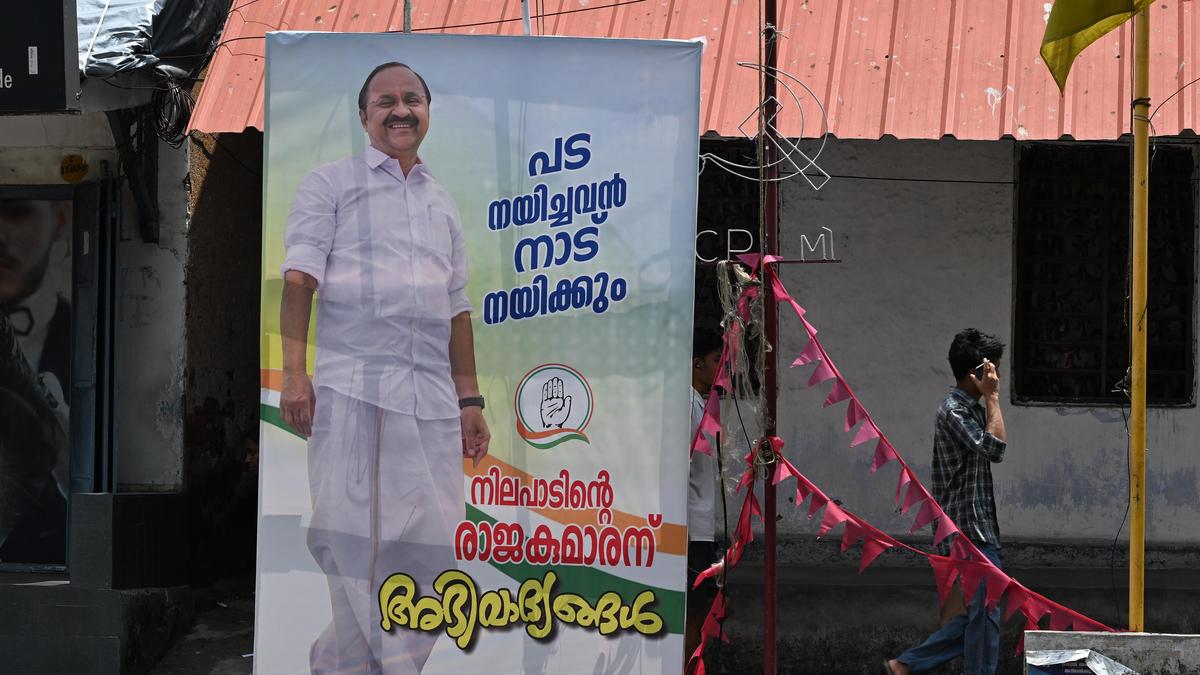
Kerala's election results have set off a three-way contest for the Chief Minister's post within the United Democratic Front, with the Congress high command expected to make the final call on who leads the next government.
The three names in contention are V.D. Satheesan, the outgoing Leader of Opposition; K.C. Venugopal, the Alappuzha MP who also serves as a senior Congress functionary at the national level; and Ramesh Chennithala, a veteran Kerala Congress leader. Each brings a different profile and support base to the table, making the choice politically consequential for the party.
The decision resting with the Congress high command rather than being settled locally signals the party's intent to manage factional tensions from the top. Kerala's Congress unit has historically been divided along loyalty lines, and an open internal contest risks hardening those divisions before the new government even takes shape.
Most UDF allies, the coalition partners who fought alongside Congress in the election, are reported to back Satheesan. That allied preference gives him a visible edge in coalition arithmetic, though it does not bind the high command's decision. In a coalition government, keeping allies on side from day one matters for both legislative stability and cabinet seat negotiations.
Satheesan led the opposition through a full term and built a public profile as an aggressive legislative voice against the outgoing LDF government. His support among allies suggests he is seen as a safe, coalition-compatible choice. Venugopal's proximity to the national leadership is an asset but could also mean he is more valuable to the party in Delhi than in Thiruvananthapuram. Chennithala, the most senior of the three, has previously served as Home Minister and Pradesh Congress Committee president, and carries significant organizational weight.
The high command must weigh electoral arithmetic against coalition management, internal party balance, and the candidate's ability to lead a government through a full five-year term. Any pick that is seen as ignoring allied preferences could create early friction within the UDF.
Watch for: an official announcement from the Congress leadership once the full seat tally is confirmed and coalition talks are formalised. The speed of that decision will signal how much consensus, or how much tension, exists within the UDF going into government formation.
India's government plans to amend the Payment and Settlement Systems Act to restore UPI merchant discount rates, ending the zero-MDR regime in place since January 2020.
India's government has introduced the Taxation and Other Laws (Amendment) Bill, 2026, proposing changes to payments regulation, income tax, and the Finance Act to attract FDI and support Make in India. The Bill's final shape will depend on parliamentary debate and committee review.
The government's Taxation and Other Laws (Amendment) Bill, 2026, proposes to replace the blanket UPI MDR ban with a system allowing the Centre to notify which payment modes stay fee-free.
Prime Minister Narendra Modi inaugurated the Rs 5,000 crore Bhogapuram greenfield airport in Andhra Pradesh, built under a public-private partnership model. He also laid foundation stones for infrastructure projects worth nearly Rs 18,000 crore in the state, signalling a broad investment push for the region.