India to Restore UPI Merchant Fees, PhonePe Gains Most
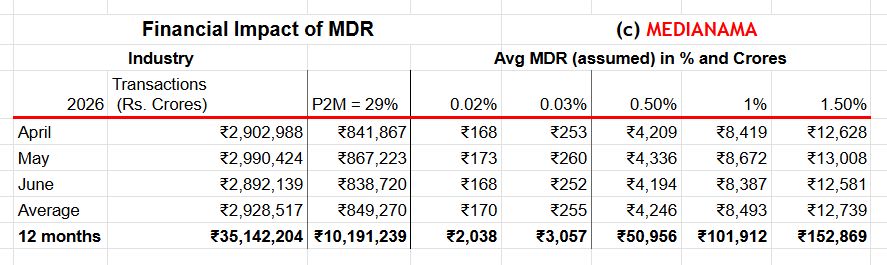
India's government plans to amend the Payment and Settlement Systems Act to restore UPI merchant discount rates, ending the zero-MDR regime in place since January 2020.
Key Takeaways
May 4, 2026 · 2 min read · By Rishabh Bhardwaj
·
AI-assisted, human-reviewed · Our editorial standards
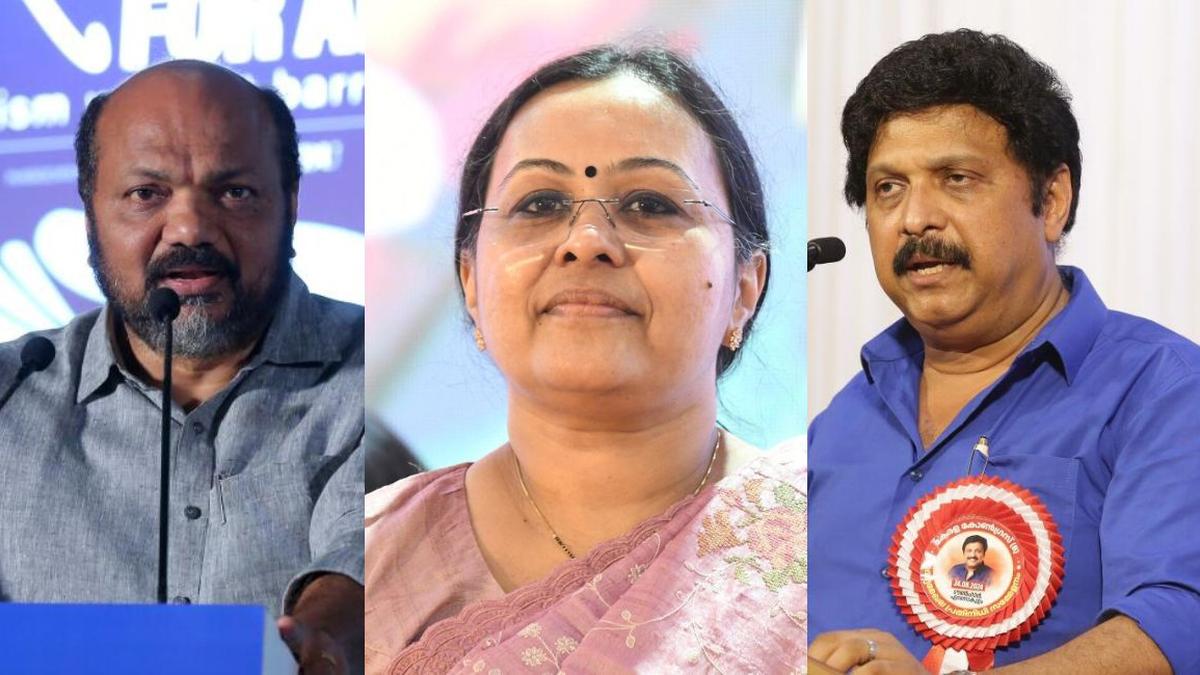
The Left Democratic Front suffered a significant setback in the Kerala Assembly elections, with 12 sitting ministers losing their seats. The scale of ministerial defeats signals a broad voter rejection of the incumbent LDF government beyond what typical anti-incumbency patterns would suggest.
Losing 12 ministers in a single election cycle is an unusually high number for any state government. Ministers typically hold safe seats and command local machinery advantages, their defeat points to dissatisfaction that cut through even well-resourced campaigns. The losses weaken the LDF's ability to claim a competitive mandate and will reshape the coalition's internal leadership structure.
Kerala has historically alternated between the LDF and the Congress-led United Democratic Front, making every assembly election a close contest. A sweep of ministerial seats by the opposition indicates the UDF likely performed strongly enough to unseat the government, though the full composition of the new assembly would determine the final outcome.
With so many cabinet-level figures voted out, the LDF faces an immediate question of political succession, identifying new leaders who can carry the front forward in opposition. For the winning side, the results create an opening to form a government with a working majority, pending final seat tallies. Voters and political observers will watch whether the defeats prompt internal reform within the LDF or deepen factional tensions ahead of future elections.
The results are a reminder that ministerial incumbency in Kerala offers limited protection when voter sentiment shifts, and that ground-level dissatisfaction can override organizational advantages built over a full government term.
India's government plans to amend the Payment and Settlement Systems Act to restore UPI merchant discount rates, ending the zero-MDR regime in place since January 2020.
India's government has introduced the Taxation and Other Laws (Amendment) Bill, 2026, proposing changes to payments regulation, income tax, and the Finance Act to attract FDI and support Make in India. The Bill's final shape will depend on parliamentary debate and committee review.
The government's Taxation and Other Laws (Amendment) Bill, 2026, proposes to replace the blanket UPI MDR ban with a system allowing the Centre to notify which payment modes stay fee-free.
Prime Minister Narendra Modi inaugurated the Rs 5,000 crore Bhogapuram greenfield airport in Andhra Pradesh, built under a public-private partnership model. He also laid foundation stones for infrastructure projects worth nearly Rs 18,000 crore in the state, signalling a broad investment push for the region.