Japan is considering a regulatory change that would permit mutual funds to allocate a larger share of assets to unlisted companies, a move that would mark a significant shift in how retail investment vehicles access private markets. Under current rules, mutual funds face restrictions on private asset exposure that limit capital flows to early-stage and growth-stage firms outside public exchanges. The proposed change would loosen those constraints, expanding the investable universe for fund managers and potentially channeling retail savings toward venture and private equity-backed companies. For asset managers, the shift could open new product categories and fee streams tied to illiquid assets, while unlisted firms would gain access to a broader capital base beyond institutional and corporate investors. The policy is still under review, and no timeline or threshold changes have been confirmed. Observers will watch whether the final framework includes liquidity safeguards to protect retail investors holding funds with illiquid underlying positions.
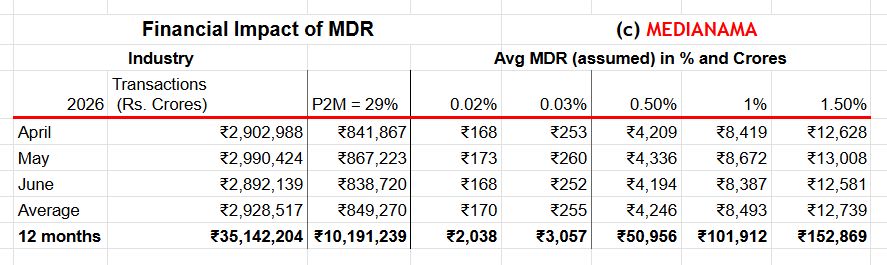
India's government plans to amend the Payment and Settlement Systems Act to restore UPI merchant discount rates, ending the zero-MDR regime in place since January 2020.
India's government has introduced the Taxation and Other Laws (Amendment) Bill, 2026, proposing changes to payments regulation, income tax, and the Finance Act to attract FDI and support Make in India. The Bill's final shape will depend on parliamentary debate and committee review.
The government's Taxation and Other Laws (Amendment) Bill, 2026, proposes to replace the blanket UPI MDR ban with a system allowing the Centre to notify which payment modes stay fee-free.
Prime Minister Narendra Modi inaugurated the Rs 5,000 crore Bhogapuram greenfield airport in Andhra Pradesh, built under a public-private partnership model. He also laid foundation stones for infrastructure projects worth nearly Rs 18,000 crore in the state, signalling a broad investment push for the region.