China is moving to regulate AI-generated virtual humans, targeting a fast-growing segment where synthetic singers, influencers, and brand spokespersons are increasingly indistinguishable from real people. The push reflects official concern that consumers are being misled and that unchecked synthetic media could erode broader public trust in digital platforms. Regulators are examining disclosure requirements, likely compelling platforms and developers to label AI-generated personas explicitly. The mechanism is familiar from China's earlier synthetic content rules: mandate transparency at the point of distribution, assign liability to platforms, and create enforcement hooks through existing internet content frameworks. The virtual human market has drawn significant commercial investment, with brands using AI avatars to cut talent costs and operate at scale across streaming and short-video platforms. What to watch: whether final rules impose identity verification on AI persona creators, how platforms like Douyin and Bilibili adapt their content pipelines, and whether the framework becomes a template for similar regulation in other markets grappling with the same synthetic media problem.
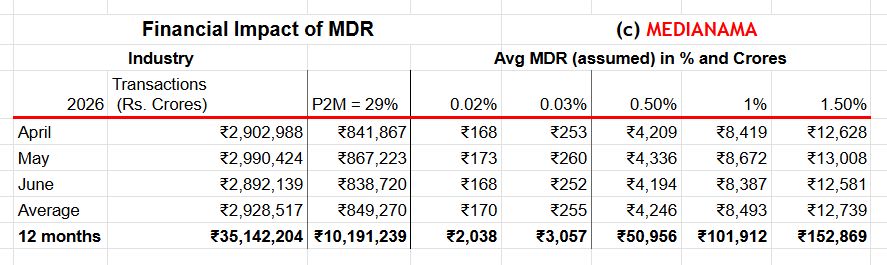
India's government plans to amend the Payment and Settlement Systems Act to restore UPI merchant discount rates, ending the zero-MDR regime in place since January 2020.
India's government has introduced the Taxation and Other Laws (Amendment) Bill, 2026, proposing changes to payments regulation, income tax, and the Finance Act to attract FDI and support Make in India. The Bill's final shape will depend on parliamentary debate and committee review.
The government's Taxation and Other Laws (Amendment) Bill, 2026, proposes to replace the blanket UPI MDR ban with a system allowing the Centre to notify which payment modes stay fee-free.
Prime Minister Narendra Modi inaugurated the Rs 5,000 crore Bhogapuram greenfield airport in Andhra Pradesh, built under a public-private partnership model. He also laid foundation stones for infrastructure projects worth nearly Rs 18,000 crore in the state, signalling a broad investment push for the region.