India to Restore UPI Merchant Fees, PhonePe Gains Most
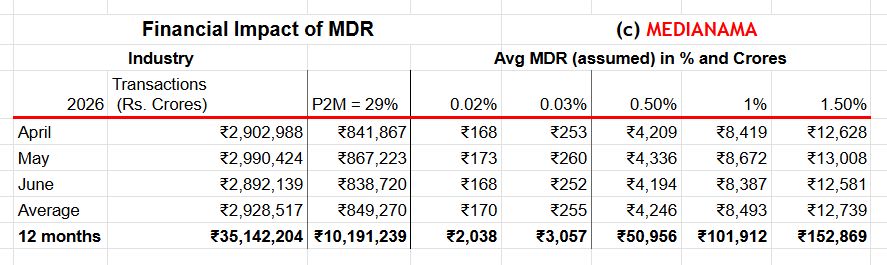
India's government plans to amend the Payment and Settlement Systems Act to restore UPI merchant discount rates, ending the zero-MDR regime in place since January 2020.
Key Takeaways
May 2, 2026 · 2 min read · By Rishabh Bhardwaj
·
AI-assisted, human-reviewed · Our editorial standards
India has formally notified rules allowing 100% foreign direct investment (FDI) in insurance companies through the automatic route, meaning foreign investors can now own an entire Indian insurance company without seeking prior government approval.
The automatic route is the easier path for foreign capital, no regulatory clearance needed upfront, just post-facto filings. Until now, the FDI cap in insurance was 74%, raised from 49% in 2021. Moving it to 100% removes the last ownership ceiling for most players and puts Indian insurance on par with sectors like single-brand retail and contract manufacturing in terms of openness to foreign capital.
One notable exception: Life Insurance Corporation of India, the state-owned giant, retains its separate FDI cap of 20%. LIC operates under its own legislative framework, and the government has kept that limit unchanged, signalling that full foreign ownership remains off the table for the country's largest insurer.
For existing joint ventures, this opens a straightforward path to full buyouts. Several global insurers, including large European and Asian players, have long held minority or majority stakes in Indian insurance companies, often constrained by the earlier caps. They can now consolidate ownership without a government approval process, which reduces deal friction and timeline risk considerably.
New entrants also benefit. A foreign insurer looking to set up shop in India no longer needs a local partner for ownership reasons, though regulatory and licensing requirements from the Insurance Regulatory and Development Authority of India (IRDAI) still apply. The change is about ownership structure, not about bypassing sector regulation.
India's insurance penetration, premiums as a percentage of GDP, remains well below the global average, which makes the sector attractive for foreign capital looking for long-runway growth markets. Higher FDI limits have historically correlated with increased capital flows, stronger balance sheets, and broader product availability for consumers.
The immediate question is which existing JV partners move to consolidate. Watch for stake-sale announcements from Indian promoters in joint ventures where the foreign partner has signalled interest in full ownership. IRDAI's response in terms of licensing and solvency norms for wholly foreign-owned entities will also shape how quickly new capital actually flows in.
India's government plans to amend the Payment and Settlement Systems Act to restore UPI merchant discount rates, ending the zero-MDR regime in place since January 2020.
India's government has introduced the Taxation and Other Laws (Amendment) Bill, 2026, proposing changes to payments regulation, income tax, and the Finance Act to attract FDI and support Make in India. The Bill's final shape will depend on parliamentary debate and committee review.
The government's Taxation and Other Laws (Amendment) Bill, 2026, proposes to replace the blanket UPI MDR ban with a system allowing the Centre to notify which payment modes stay fee-free.
Prime Minister Narendra Modi inaugurated the Rs 5,000 crore Bhogapuram greenfield airport in Andhra Pradesh, built under a public-private partnership model. He also laid foundation stones for infrastructure projects worth nearly Rs 18,000 crore in the state, signalling a broad investment push for the region.