India to Restore UPI Merchant Fees, PhonePe Gains Most
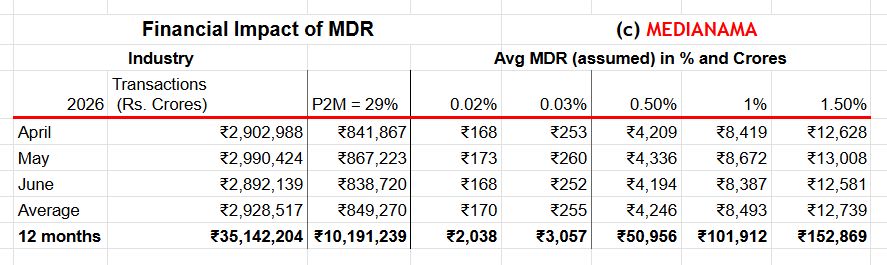
India's government plans to amend the Payment and Settlement Systems Act to restore UPI merchant discount rates, ending the zero-MDR regime in place since January 2020.
Key Takeaways
May 11, 2026 · 2 min read · By Rishabh Bhardwaj
·
AI-assisted, human-reviewed · Our editorial standards

India's central government is working toward cutting fuel consumption by up to 20%, framing the push as a voluntary public movement rather than a regulatory mandate. The goal is to reduce the country's exposure to global oil price shocks and energy market swings.
Global energy markets have been volatile, and India, one of the world's largest oil importers, is acutely vulnerable to price spikes. A sustained rise in crude prices widens the current account deficit, pressures the rupee, and can feed directly into domestic inflation through fuel and transport costs. By targeting a 20% reduction in consumption, the government is seeking a buffer against those external shocks without waiting for market conditions to stabilise.
The voluntary framing is significant. Rather than imposing rationing, fuel price hikes, or hard efficiency mandates, the Centre appears to be betting on a mass behavioural shift, encouraging citizens, businesses, and institutions to use less fuel through awareness and collective action. This approach avoids the political friction that comes with forced restrictions but also means the outcome depends heavily on public participation.
A 20% reduction in fuel consumption at scale would meaningfully lower India's crude import bill, ease pressure on foreign exchange reserves, and reduce the fiscal risk of subsidising fuel during price spikes. For businesses, especially those in logistics, aviation, and manufacturing, any broad conservation push could influence input cost dynamics if complementary efficiency measures follow.
The movement's success will depend on how it is structured, what tools the government uses to drive participation, whether large consumers like state enterprises are included, and whether voluntary targets eventually translate into formal policy. None of those details are confirmed yet.
Watch for official announcements on implementation, including whether specific sectors face targets, and how progress will be tracked.
India's government plans to amend the Payment and Settlement Systems Act to restore UPI merchant discount rates, ending the zero-MDR regime in place since January 2020.
India's government has introduced the Taxation and Other Laws (Amendment) Bill, 2026, proposing changes to payments regulation, income tax, and the Finance Act to attract FDI and support Make in India. The Bill's final shape will depend on parliamentary debate and committee review.
The government's Taxation and Other Laws (Amendment) Bill, 2026, proposes to replace the blanket UPI MDR ban with a system allowing the Centre to notify which payment modes stay fee-free.
Prime Minister Narendra Modi inaugurated the Rs 5,000 crore Bhogapuram greenfield airport in Andhra Pradesh, built under a public-private partnership model. He also laid foundation stones for infrastructure projects worth nearly Rs 18,000 crore in the state, signalling a broad investment push for the region.