The International Monetary Fund now projects global government debt will reach 100 percent of world GDP by 2029, one year ahead of its prior forecast. The acceleration signals that fiscal trajectories across major economies are deteriorating faster than the Fund's models previously captured. No single country is named in the headline finding, but the revision implies broadly worsening deficit paths across enough sovereign borrowers to shift the aggregate timeline. At 100 percent of global output, sovereign debt levels enter territory historically associated with tighter credit conditions, slower growth capacity, and elevated refinancing risk for governments carrying shorter-duration liabilities. The earlier-than-expected arrival of this threshold puts pressure on finance ministries to front-load consolidation or face steeper borrowing costs as markets price in higher default or inflation risk. Investors in long-duration sovereign bonds and emerging market debt face the sharpest repricing exposure. The IMF's revised timeline will anchor upcoming Article IV consultations and likely sharpen conditionality language in any new lending programs.
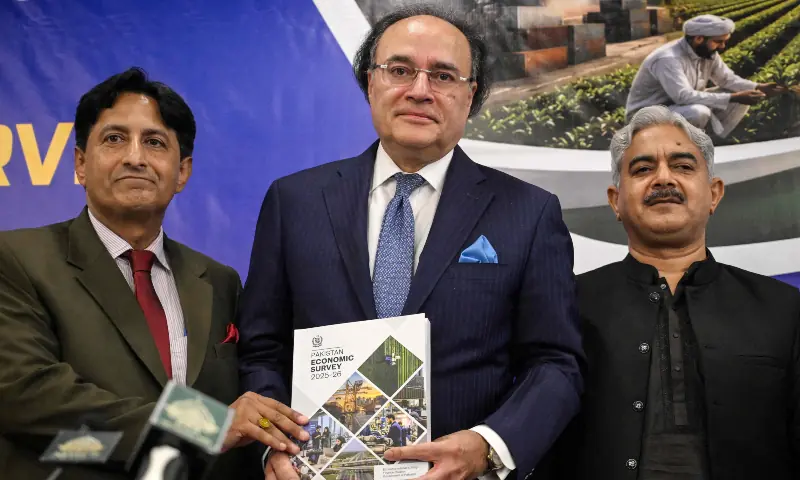
Pakistan's economy grew 3.7 percent in FY2026, its fastest rate in four years, according to the Pakistan Economic Survey presented by Finance Minister Muhammad Aurangzeb. Growth beat last year's 3.18 percent but missed the 4.2 percent target, with floods, regional conflict, and weaker food exports cited as key drags.
The Union government released an additional Rs 1,09,019 crore in tax devolution to states on August 1, 2026, separate from the regular monthly transfer. The lump-sum release aims to accelerate state capital spending in the July-September quarter, with Uttar Pradesh, Bihar, and Madhya Pradesh among the top recipients.
US mortgage rates have risen to a one-year high as markets weigh Federal Reserve rate uncertainty and Middle East conflict-driven inflation fears. Higher rates increase monthly payments for new buyers and are likely to further suppress housing market activity and refinancing.
Pakistan's Sensitive Price Index rose 13.52 percent year on year for the week ending July 2, 2026, marking 45 consecutive weeks of annual gains. Electricity up 49 percent, wheat flour up 68 percent, and LPG up 44 percent year on year are the main drivers.