A researcher scheduled to lead an undergraduate fieldwork trip abroad was denied a visa, forcing the expedition to proceed without its principal leader on the ground. The account, published in Nature on 15 April 2026, details how the researcher managed to shepherd students through international fieldwork entirely from a remote position. The visa denial created an immediate operational gap: no faculty presence at the field site, compressed time to redesign supervision, and students dependent on real-time guidance across time zones. The researcher relied on colleague networks at the destination to provide on-site support, while digital communication tools bridged supervisory responsibilities across distance. The episode surfaces a structural vulnerability in international academic fieldwork, a single visa denial can collapse months of preparation and place student safety and research continuity at risk. For university research administrators, the case argues for contingency protocols: pre-identified local collaborators, remote supervision frameworks, and redundancy in leadership roles before departure. The frequency of visa complications affecting researchers is a growing operational concern for institutions with active international field programs.
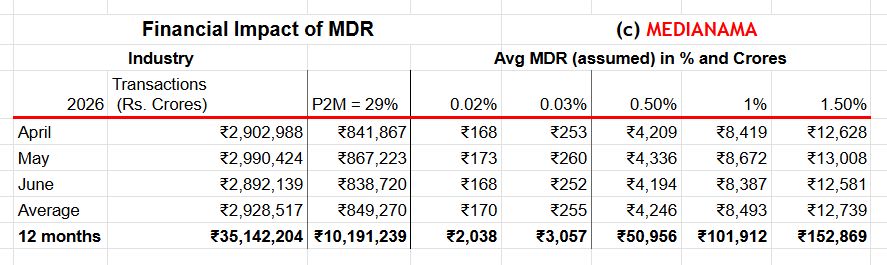
India's government plans to amend the Payment and Settlement Systems Act to restore UPI merchant discount rates, ending the zero-MDR regime in place since January 2020.
India's government has introduced the Taxation and Other Laws (Amendment) Bill, 2026, proposing changes to payments regulation, income tax, and the Finance Act to attract FDI and support Make in India. The Bill's final shape will depend on parliamentary debate and committee review.
The government's Taxation and Other Laws (Amendment) Bill, 2026, proposes to replace the blanket UPI MDR ban with a system allowing the Centre to notify which payment modes stay fee-free.
Prime Minister Narendra Modi inaugurated the Rs 5,000 crore Bhogapuram greenfield airport in Andhra Pradesh, built under a public-private partnership model. He also laid foundation stones for infrastructure projects worth nearly Rs 18,000 crore in the state, signalling a broad investment push for the region.