India to Restore UPI Merchant Fees, PhonePe Gains Most
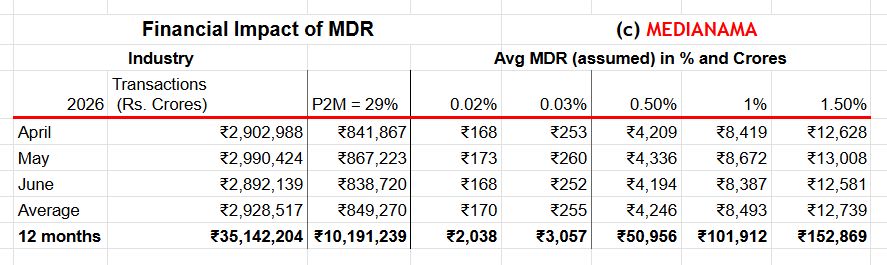
India's government plans to amend the Payment and Settlement Systems Act to restore UPI merchant discount rates, ending the zero-MDR regime in place since January 2020.
Key Takeaways
May 31, 2026 · 3 min read · By Rishabh Bhardwaj
·
AI-assisted, human-reviewed · Our editorial standards
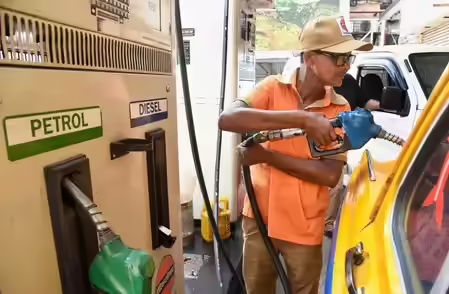
India has revised its windfall tax on fuel exports, with the new rates taking effect from June 1, 2026. Diesel and aviation turbine fuel (ATF) are back under the levy after a period of nil rates, and petrol exports will now attract a duty as well.
Windfall tax is a special levy governments impose when a sector earns profits well above normal levels, usually because of a sudden price spike in global markets. India introduced this mechanism for fuel exporters in 2022, targeting refiners who found it more profitable to sell fuel abroad than to supply the domestic market during periods of high global crude prices.
The reinstatement of taxes on diesel and ATF signals that refiner margins on these products have moved back into territory the government considers excessive. When global oil prices rise sharply, the gap between what refiners earn on exports and what they earn selling domestically widens. The windfall tax is designed to capture part of that excess margin for the public exchequer.
The government reviews windfall tax rates every two weeks, which makes this one of the most frequently adjusted fiscal tools in India's energy policy. Fortnightly revisions let the government track shifts in global crude benchmarks and refiner crack spreads, which measure the profit earned from converting crude oil into refined products like diesel and ATF. When margins compress, rates come down or go to nil. When margins expand, the levy goes back up.
The previous nil-rate period reflected softer global oil prices and tighter refiner margins, making export-focused refining less lucrative. The June 1 revision suggests that conditions have shifted enough to justify bringing the tax back across multiple fuel categories, including petrol, which had not been attracting a duty in the most recent cycle.
India's large private refiners, who export significant volumes of diesel and ATF, will feel the most direct impact. A windfall tax effectively reduces the net realization on each barrel exported, narrowing the incentive to prioritize overseas sales over domestic supply. That can, in theory, keep more fuel available for the home market, though the actual supply effect depends on the size of the levy relative to prevailing export margins.
For investors watching refining stocks, the return of windfall levies on three fuel categories at once is a signal worth monitoring. Refiner earnings are sensitive to these rates because export volumes and margins contribute meaningfully to overall profitability, especially for companies with large export-oriented refining capacity.
The inclusion of petrol in this revision is notable. Petrol exports have been taxed at various points since the windfall mechanism was introduced, but periods of nil rates on petrol have also been common. Reintroducing a petrol duty alongside diesel and ATF duties suggests a broader tightening across the fuel basket rather than a targeted move on one product.
The fortnightly review cycle means the current rates could change again within weeks if global oil prices or crack spreads shift materially. Refiners typically factor in the uncertainty around these rates when making short-term export decisions, which can affect cargo scheduling and pricing negotiations with overseas buyers.
Traders and analysts will watch the next scheduled review closely to see whether the government holds rates steady, adjusts them, or pulls them back to nil again, which would signal another turn in the global refining margin cycle.
India's government plans to amend the Payment and Settlement Systems Act to restore UPI merchant discount rates, ending the zero-MDR regime in place since January 2020.
India's government has introduced the Taxation and Other Laws (Amendment) Bill, 2026, proposing changes to payments regulation, income tax, and the Finance Act to attract FDI and support Make in India. The Bill's final shape will depend on parliamentary debate and committee review.
The government's Taxation and Other Laws (Amendment) Bill, 2026, proposes to replace the blanket UPI MDR ban with a system allowing the Centre to notify which payment modes stay fee-free.
Prime Minister Narendra Modi inaugurated the Rs 5,000 crore Bhogapuram greenfield airport in Andhra Pradesh, built under a public-private partnership model. He also laid foundation stones for infrastructure projects worth nearly Rs 18,000 crore in the state, signalling a broad investment push for the region.