The U.S. economy grew at a 2% annual rate in the first quarter, rebounding from a weaker prior period. AI-driven investment was a key engine behind the expansion, supporting spending across technology and related sectors. However, the growth picture is complicated by inflation pressures tied to the Iran war, which is pushing up costs across the economy. The combination of solid headline growth and rising prices puts policymakers in a difficult spot. Strong AI investment can lift corporate earnings and capital spending, but war-driven inflation erodes purchasing power and complicates the Federal Reserve's rate decisions. Markets will be watching whether inflation proves temporary or continues to build. The durability of AI-led growth and the trajectory of war-related price pressures are the two variables that will shape the economic outlook for the rest of the year.
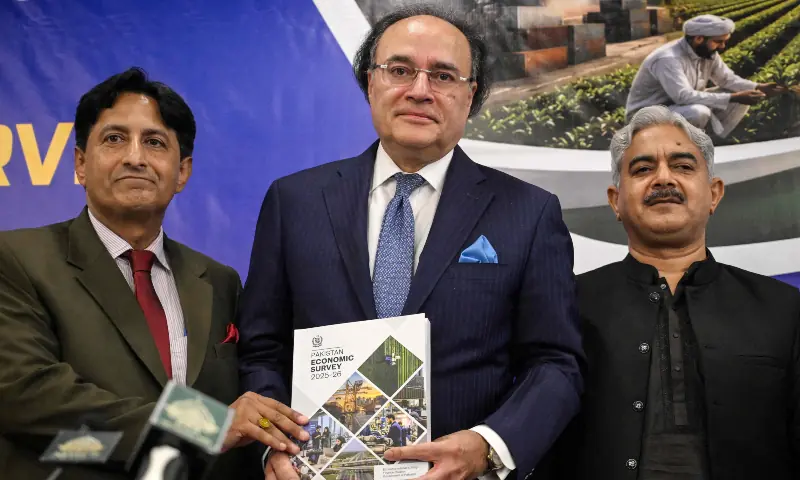
Pakistan's economy grew 3.7 percent in FY2026, its fastest rate in four years, according to the Pakistan Economic Survey presented by Finance Minister Muhammad Aurangzeb. Growth beat last year's 3.18 percent but missed the 4.2 percent target, with floods, regional conflict, and weaker food exports cited as key drags.
The Union government released an additional Rs 1,09,019 crore in tax devolution to states on August 1, 2026, separate from the regular monthly transfer. The lump-sum release aims to accelerate state capital spending in the July-September quarter, with Uttar Pradesh, Bihar, and Madhya Pradesh among the top recipients.
US mortgage rates have risen to a one-year high as markets weigh Federal Reserve rate uncertainty and Middle East conflict-driven inflation fears. Higher rates increase monthly payments for new buyers and are likely to further suppress housing market activity and refinancing.
Pakistan's Sensitive Price Index rose 13.52 percent year on year for the week ending July 2, 2026, marking 45 consecutive weeks of annual gains. Electricity up 49 percent, wheat flour up 68 percent, and LPG up 44 percent year on year are the main drivers.