The 2026 FIFA World Cup is drawing far less advertising money in India than previous editions, with marketing spends potentially falling by half as brands hold back over unfavorable match timings and a late broadcast rights deal.
The hesitation is rooted in two practical problems. First, match schedules are poorly timed for Indian viewers, reducing the live audience that advertisers pay a premium to reach. Second, broadcast deals were finalised late, leaving brands with a narrow window to plan and commit media budgets. Together, these factors have stripped the tournament of the commercial build-up that normally starts weeks before kickoff.
Why the spending gap matters
A halving of marketing spend is a significant signal. Major sporting events typically generate outsized advertising revenue because they guarantee large, simultaneous audiences. When brands stay out, broadcasters and platform operators lose premium inventory revenue, and the broader sports marketing ecosystem misses a cycle of activation deals, sponsorships, and retail tie-ins.
The contrast with earlier World Cup editions is sharp. Previous tournaments drew strong brand participation, particularly from consumer goods, beverages, mobile handsets, and fintech companies targeting young male audiences. That playbook has largely been shelved this time. Brands that would normally anchor campaigns around the tournament appear to be redirecting budgets or waiting to see audience numbers before committing.
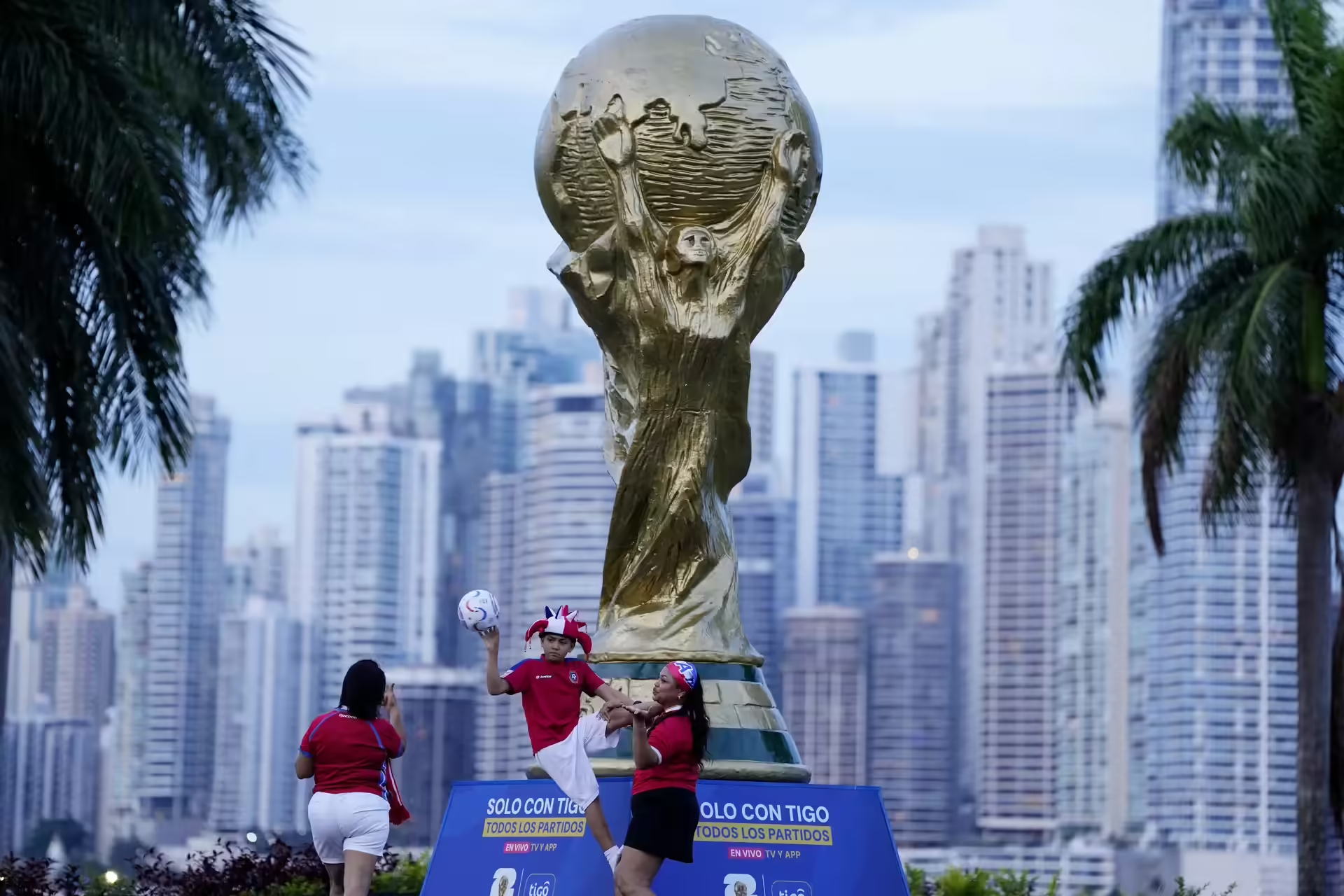
Some regional pockets of fan enthusiasm remain, suggesting organic interest in the sport has not collapsed. But enthusiasm in the stands or on social media does not automatically translate into advertiser confidence, especially when live viewership numbers, which drive ad rates, are uncertain because of the timing issue.
What changes next
The late broadcast deal means the window for recovery is short. Advertisers who plan quarterly typically need several weeks of lead time to produce creative, book slots, and align retail or digital campaigns. With the tournament already underway, mid-tournament corrections are possible but limited. A strong early viewership number could unlock some late spending, but a structural rebound to prior-edition levels looks difficult within this cycle.
Longer term, this episode raises questions about how India-relevant scheduling and early rights clarity could protect commercial value for future tournaments. If organizers and broadcasters want Indian advertising budgets to match the scale of fan interest in the country, the infrastructure for deals and scheduling decisions likely needs to move earlier in the planning cycle.
For now, the 2026 World Cup in India is shaping up as a commercially muted event, with brands cautious, broadcasters managing thin inventory, and the marketing buzz that normally accompanies a global football tournament largely absent.