India to Restore UPI Merchant Fees, PhonePe Gains Most
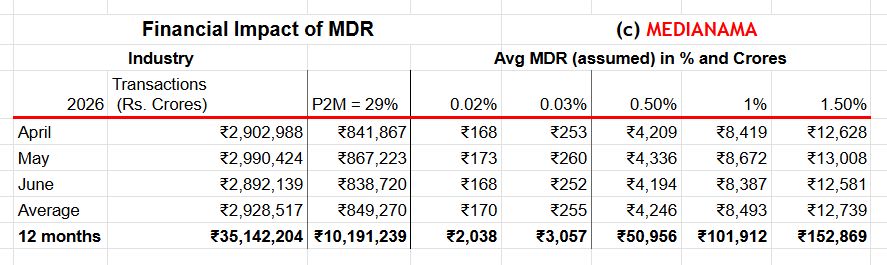
India's government plans to amend the Payment and Settlement Systems Act to restore UPI merchant discount rates, ending the zero-MDR regime in place since January 2020.
Key Takeaways
June 6, 2026 · 3 min read · By Rishabh Bhardwaj
·
AI-assisted, human-reviewed · Our editorial standards
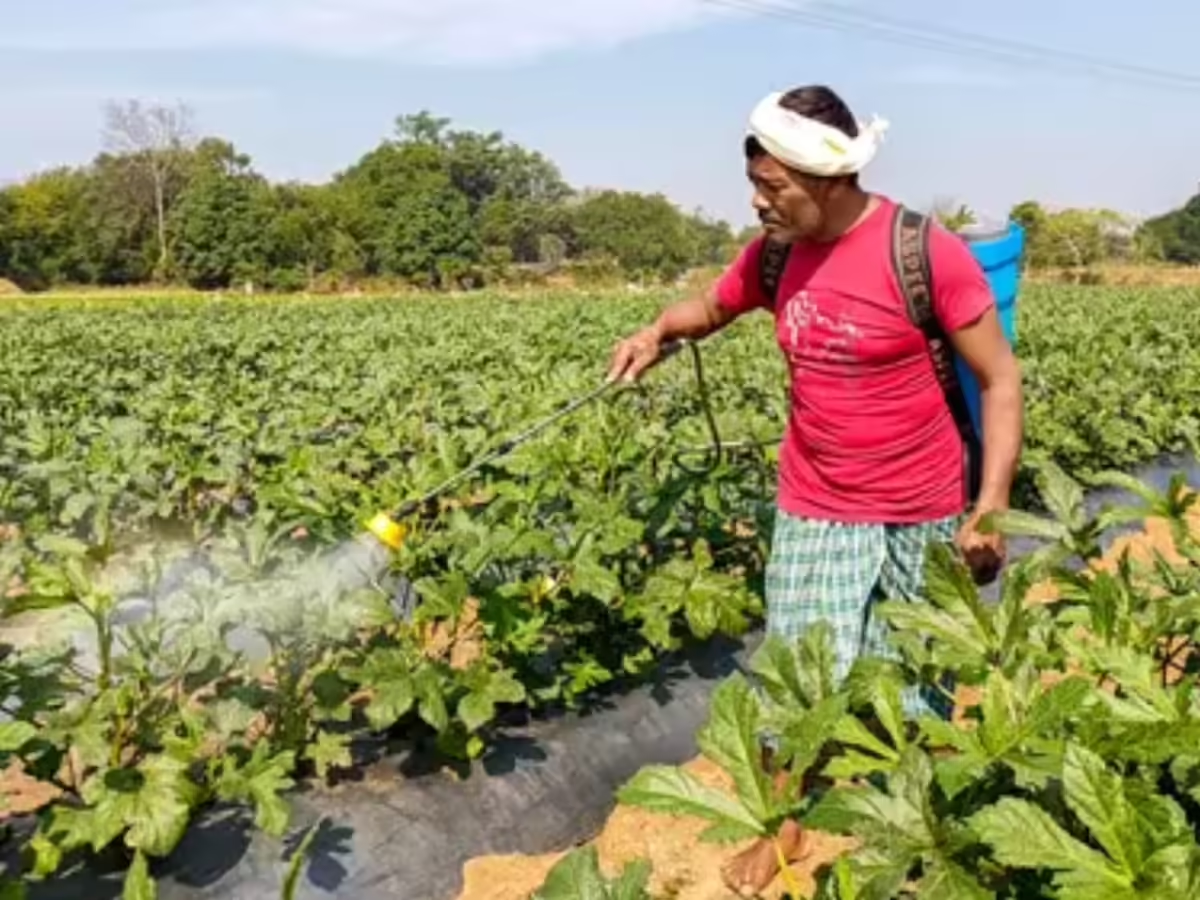
India's fertiliser companies are pushing for more long-term green ammonia supply contracts, prompting a government review of demand projections. The shift is being driven by supply disruptions and higher import costs linked to the conflict involving Iran, which has unsettled conventional ammonia trade routes and spot prices.
Ammonia is a core input for nitrogenous fertilisers, which Indian farmers depend on heavily. India is one of the world's largest ammonia importers, so any sustained disruption to conventional supply lines carries real consequences for fertiliser production costs and, ultimately, farm input prices.
Green ammonia is produced using renewable energy rather than natural gas, making it more expensive to produce under normal conditions. Fertiliser companies had previously locked in fixed-price contracts for green ammonia when conventional prices were lower, and those fixed prices now look competitive against the elevated spot rates for conventional ammonia driven by geopolitical disruption.
This is a meaningful reversal. For most of the past decade, green ammonia struggled to compete on price with conventional ammonia made from fossil fuels. The current market dislocation has compressed that cost gap, giving fertiliser firms a practical reason to accelerate long-term green ammonia procurement rather than waiting for the technology to mature further.
The mechanism here is straightforward: when conventional ammonia prices rise sharply due to supply shocks, the relative cost of green alternatives improves without any change in production economics on the green side. Companies are now acting on that shift by seeking more volume under long-term contracts, which also offers them price certainty going forward.
The Indian government is reassessing how much green ammonia the fertiliser sector will actually need, signalling that demand projections may need to be revised upward. This matters because government support, import policy, and infrastructure planning for green ammonia storage and handling all depend on credible demand estimates from the industry.
India has set targets for green hydrogen and green ammonia as part of its broader clean energy strategy. A genuine commercial pull from fertiliser companies, rather than just policy mandates, would mark a more durable shift in the market. It also creates a stronger investment case for domestic and international producers looking to supply India.
The fertiliser sector is one of the most heavily subsidised industries in India. The government controls retail prices for key fertilisers and compensates manufacturers through subsidy payments. If green ammonia is priced into production costs at scale, the subsidy burden could evolve depending on how procurement contracts are structured and whether green ammonia pricing stabilises.
For India's import bill, a gradual shift toward contracted green ammonia supply could reduce exposure to volatile spot markets for conventional ammonia, particularly from suppliers in regions prone to geopolitical instability.
Watch for formal updates on demand figures from the government review, any new long-term supply agreements announced by major fertiliser companies, and whether policy adjustments follow to support green ammonia infrastructure at Indian ports and production facilities.
India's government plans to amend the Payment and Settlement Systems Act to restore UPI merchant discount rates, ending the zero-MDR regime in place since January 2020.
India's government has introduced the Taxation and Other Laws (Amendment) Bill, 2026, proposing changes to payments regulation, income tax, and the Finance Act to attract FDI and support Make in India. The Bill's final shape will depend on parliamentary debate and committee review.
The government's Taxation and Other Laws (Amendment) Bill, 2026, proposes to replace the blanket UPI MDR ban with a system allowing the Centre to notify which payment modes stay fee-free.
Prime Minister Narendra Modi inaugurated the Rs 5,000 crore Bhogapuram greenfield airport in Andhra Pradesh, built under a public-private partnership model. He also laid foundation stones for infrastructure projects worth nearly Rs 18,000 crore in the state, signalling a broad investment push for the region.