India to Restore UPI Merchant Fees, PhonePe Gains Most
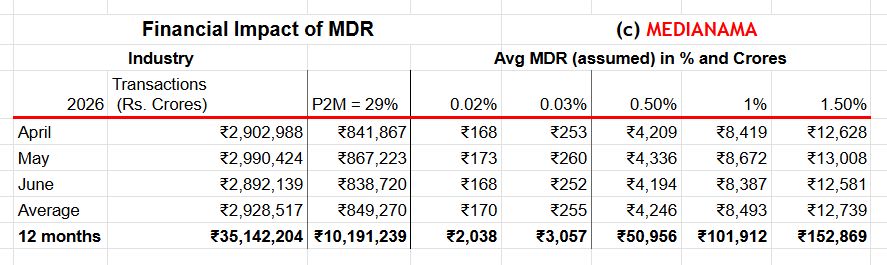
India's government plans to amend the Payment and Settlement Systems Act to restore UPI merchant discount rates, ending the zero-MDR regime in place since January 2020.
Key Takeaways
May 8, 2026 · 2 min read · By Rishabh Bhardwaj
·
AI-assisted, human-reviewed · Our editorial standards
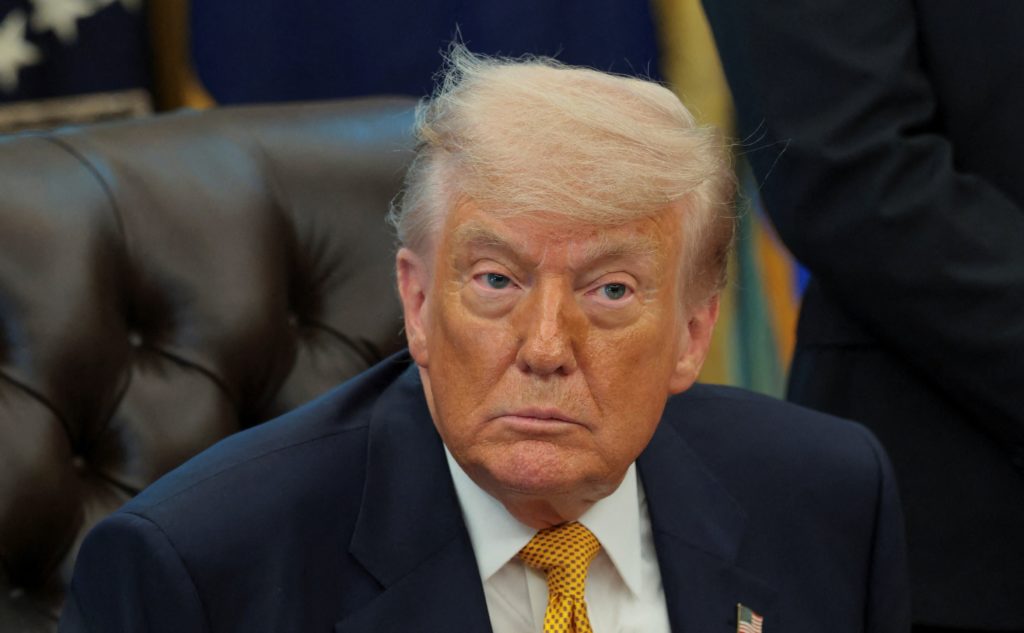
A federal court ruled Wednesday that President Donald Trump's new global tariffs are unlawful, delivering a second major legal blow to his trade agenda in a short period.
The ruling follows what the article describes as a "stinging loss" at the Supreme Court, suggesting Trump's tariff strategy has now faced rejection at multiple levels of the federal judiciary. The back-to-back defeats point to serious legal vulnerability in the administration's approach to imposing sweeping trade measures.
The global tariffs in question were put in place by Trump through executive action. Courts have been scrutinizing whether the president has the legal authority to impose such broad tariffs without explicit congressional approval. A federal court ruling against them suggests judges found that authority lacking or improperly exercised.
The practical effect depends on whether the administration appeals, seeks a stay of the ruling, or moves to replace the tariffs with a new legal mechanism. Businesses that import goods affected by these tariffs will be watching closely, since a court-enforced rollback could change cost structures across a wide range of supply chains.
The Trump administration is likely to appeal the ruling, which could send the case back toward the Supreme Court. If the tariffs are suspended while litigation continues, importers may see temporary relief on duties. If the administration moves quickly to craft a new legal basis for the measures, the tariff burden could return in a different form.
For markets, the uncertainty itself is a factor. Companies that have built pricing and sourcing decisions around the tariff structure now face an unclear timeline. Trade-sensitive sectors, including manufacturing, retail, and agriculture, will be most directly affected by how quickly the legal situation resolves.
India's government plans to amend the Payment and Settlement Systems Act to restore UPI merchant discount rates, ending the zero-MDR regime in place since January 2020.
India's government has introduced the Taxation and Other Laws (Amendment) Bill, 2026, proposing changes to payments regulation, income tax, and the Finance Act to attract FDI and support Make in India. The Bill's final shape will depend on parliamentary debate and committee review.
The government's Taxation and Other Laws (Amendment) Bill, 2026, proposes to replace the blanket UPI MDR ban with a system allowing the Centre to notify which payment modes stay fee-free.
Prime Minister Narendra Modi inaugurated the Rs 5,000 crore Bhogapuram greenfield airport in Andhra Pradesh, built under a public-private partnership model. He also laid foundation stones for infrastructure projects worth nearly Rs 18,000 crore in the state, signalling a broad investment push for the region.