The Federal Reserve is expected to keep interest rates unchanged at its upcoming meeting, which could be the final one chaired by Jerome Powell. President Donald Trump has repeatedly signaled his intent to remove Powell before his term ends, making this meeting a potential turning point for the Fed's leadership. No rate move is expected, with markets largely pricing in a hold as officials wait for more clarity on inflation and economic growth. Powell's tenure has been defined by the most aggressive rate-hiking cycle in decades, aimed at bringing down post-pandemic inflation. The Fed raised rates sharply from near zero to over 5% before beginning cautious cuts. The central bank now sits in a watchful stance, balancing sticky inflation against a slowing jobs market. The bigger story is what comes after. If Trump replaces Powell, the new chair could shift the Fed's tone toward faster rate cuts, which markets would reprice quickly. Bond yields, the dollar, and rate-sensitive sectors like housing and banking would all react to any credible leadership change. Watch for Powell's post-meeting press conference for any signal on his own read of the situation.
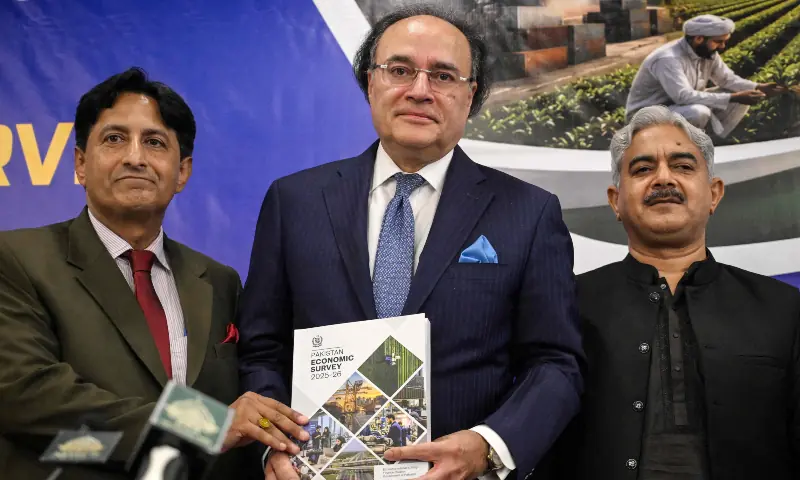
Pakistan's economy grew 3.7 percent in FY2026, its fastest rate in four years, according to the Pakistan Economic Survey presented by Finance Minister Muhammad Aurangzeb. Growth beat last year's 3.18 percent but missed the 4.2 percent target, with floods, regional conflict, and weaker food exports cited as key drags.
The Union government released an additional Rs 1,09,019 crore in tax devolution to states on August 1, 2026, separate from the regular monthly transfer. The lump-sum release aims to accelerate state capital spending in the July-September quarter, with Uttar Pradesh, Bihar, and Madhya Pradesh among the top recipients.
US mortgage rates have risen to a one-year high as markets weigh Federal Reserve rate uncertainty and Middle East conflict-driven inflation fears. Higher rates increase monthly payments for new buyers and are likely to further suppress housing market activity and refinancing.
Pakistan's Sensitive Price Index rose 13.52 percent year on year for the week ending July 2, 2026, marking 45 consecutive weeks of annual gains. Electricity up 49 percent, wheat flour up 68 percent, and LPG up 44 percent year on year are the main drivers.