India to Restore UPI Merchant Fees, PhonePe Gains Most
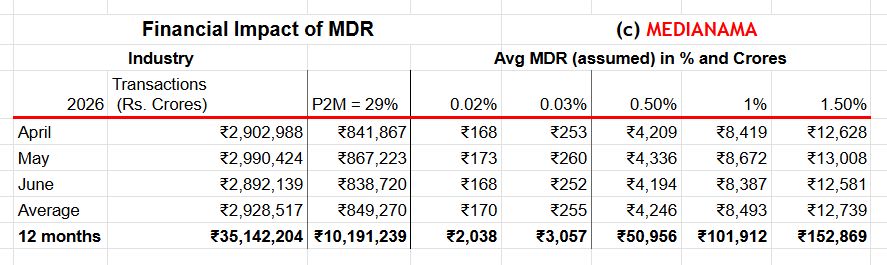
India's government plans to amend the Payment and Settlement Systems Act to restore UPI merchant discount rates, ending the zero-MDR regime in place since January 2020.
Key Takeaways
May 3, 2026 · 2 min read · By Rishabh Bhardwaj
·
AI-assisted, human-reviewed · Our editorial standards

Counting for five state assembly elections begins tomorrow, with West Bengal and Tamil Nadu drawing the most attention from political parties, investors, and analysts watching India's electoral calendar ahead of 2029.
West Bengal and Tamil Nadu carry outsized weight in this cycle for different reasons. Bengal is a direct contest between the ruling Trinamool Congress and the BJP, which has been trying to expand its footprint in the state since its strong showing in the 2021 assembly election. Tamil Nadu tests whether the DMK government under M.K. Stalin can consolidate its mandate at a time when the AIADMK and BJP are both seeking relevance in the south.
Together, West Bengal and Tamil Nadu send a significant number of MPs to the Lok Sabha, making their political direction a reliable signal for 2029 general election strategy. A strong performance by the BJP in Bengal would validate its plan to build a southern and eastern base beyond its Hindi-belt strongholds. A decisive DMK win in Tamil Nadu would reinforce the opposition INDIA bloc's argument that regional parties can hold ground against BJP nationally.
High voter turnout in both states has been reported during polling, which typically benefits incumbents when their ground organisation is strong, but can also signal anti-incumbency in contested urban areas.
The margin of victory in Bengal's urban constituencies and the vote-share shift between AIADMK and BJP in Tamil Nadu are the two numbers most worth tracking. A split in the anti-TMC vote in Bengal could hand Mamata Banerjee a comfortable majority even with modest swings. In Tamil Nadu, whether the BJP manages to win any seats independently would mark a meaningful shift in its southern strategy.
The other three states in this verdict will also shape the overall narrative around which alliance has momentum heading into 2029. Results are expected to come through across the day tomorrow, with clear trends likely by midday.
India's government plans to amend the Payment and Settlement Systems Act to restore UPI merchant discount rates, ending the zero-MDR regime in place since January 2020.
India's government has introduced the Taxation and Other Laws (Amendment) Bill, 2026, proposing changes to payments regulation, income tax, and the Finance Act to attract FDI and support Make in India. The Bill's final shape will depend on parliamentary debate and committee review.
The government's Taxation and Other Laws (Amendment) Bill, 2026, proposes to replace the blanket UPI MDR ban with a system allowing the Centre to notify which payment modes stay fee-free.
Prime Minister Narendra Modi inaugurated the Rs 5,000 crore Bhogapuram greenfield airport in Andhra Pradesh, built under a public-private partnership model. He also laid foundation stones for infrastructure projects worth nearly Rs 18,000 crore in the state, signalling a broad investment push for the region.