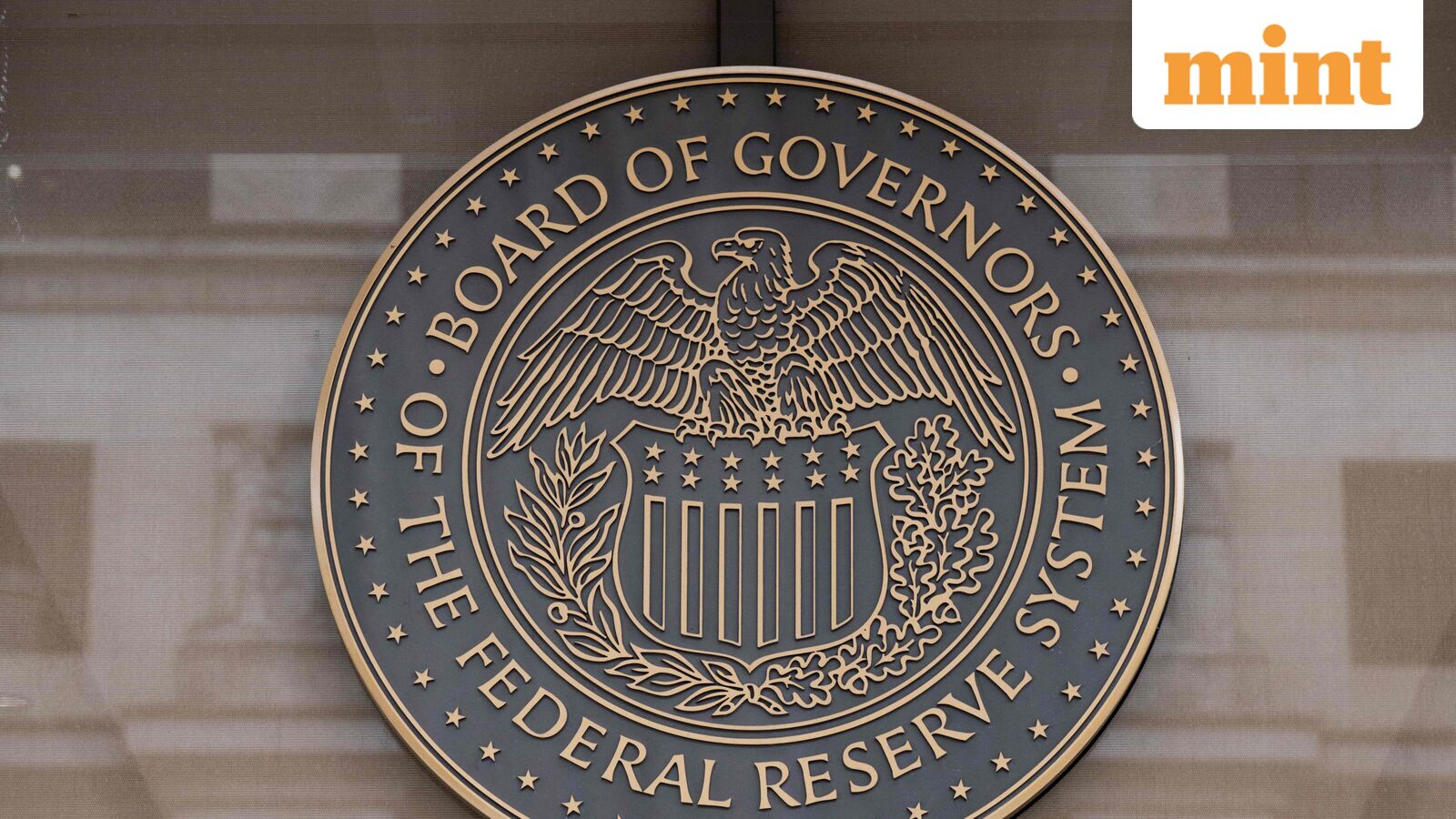
The Dow Jones Industrial Average dropped more than 1,100 points, or 2.1%, on July 30, 2026, with the sharpest losses arriving after Federal Reserve Chair Kevin Warsh wrapped up his post-decision press briefing. The selloff swept across Wall Street, reflecting a sharp deterioration in investor sentiment tied directly to the Fed's latest move.
The central event was the Fed's decision to hold interest rates steady, a so-called rate pause. On its own, a pause is not unusual. What spooked markets was what came after: Warsh's tone and comments during the press conference appear to have given traders little comfort that rate cuts are coming soon, accelerating the retreat from equities.
Why the Press Conference Mattered More Than the Decision
In markets, it is often not the decision itself but the language around it that moves prices. When the Fed pauses, investors immediately parse every word the chair says for signals about the next move. If Warsh's briefing leaned cautious or suggested the Fed sees persistent inflation risks or an economy strong enough to keep rates high, that directly pushes down stock valuations. Higher rates for longer mean higher borrowing costs, tighter profit margins, and lower present values for future corporate earnings.
The Dow's steep intraday drop, concentrated after the briefing ended, is a clear sign that the press conference itself was the catalyst. Markets had likely priced in the pause beforehand; what they had not priced in was the signal that rate relief may still be some distance away.
A 2.1% drop in the Dow is meaningful by any standard. The index represents 30 of the largest U.S. companies across sectors, so a move of this size signals broad-based selling rather than a problem confined to one industry. It also tends to pull other major indices lower in tandem, widening the damage across portfolios.
What Changes Next
Traders will now re-examine their bets on when the Fed will actually cut rates. Any shift in those expectations ripples through multiple asset classes. Bond yields, which move inversely to price, may stay elevated or push higher if investors now expect rates to remain on hold for longer. That puts additional pressure on growth stocks, which are sensitive to rates, and on sectors like real estate and utilities that compete with bonds for income-seeking investors.
Credit markets also feel the knock-on effect. Businesses and consumers borrowing at current rates face no relief in the near term, which can slow corporate investment and dampen consumer spending. Both outcomes, if sustained, feed into broader concerns about economic growth.
For investors, the immediate question is whether this selloff is a single-day reaction or the start of a wider repricing. Bear-market psychology, once it takes hold after a high-profile Fed disappointment, can persist for several sessions as traders reassess positions. Volume and the behaviour of defensive sectors in coming days will offer early clues about whether institutional money is rotating to safety or simply sitting out.
The Fed's next scheduled meeting and any intervening economic data releases, particularly inflation and employment figures, will set the tone for how long this pressure lasts. Until there is a credible reason to expect a rate cut, the path of least resistance for equities may remain lower.