Pakistan's Prime Minister Shehbaz Sharif approved a Rs32.12 per litre reduction in high-speed diesel (HSD) prices for the fortnight ending April 24, fixing the ex-depot rate at Rs353.42 per litre, down 8.3 percent from Rs385.54. Petrol remains unchanged at Rs366.58 per litre. The cut follows a 12-13 percent decline in global oil prices after a US-Iran ceasefire reopened the Strait of Hormuz, though the price decision was finalized before that development was fully incorporated. Diesel has now fallen sharply from its April 10 peak of Rs520.35 per litre, a cumulative decline of roughly Rs167 per litre. Because HSD is the primary fuel for freight transport, its price is a direct input cost for food, manufacturing, and logistics across Pakistan's supply chain. Tax rates on petroleum products remain untouched: HSD carries approximately Rs36 per litre in combined duties and levies, while petrol bears Rs107 per litre. Separately, Ogra confirmed disbursement of Rs38 billion in price differential claims to 34 oil-marketing companies, clearing backlogged subsidy payments. With global prices still trending lower following the Iran agreement, further domestic reductions are expected next week. Monthly HSD and petrol combined volumes of 700,000 to 800,000 tonnes mean each rupee-per-litre move carries material fiscal and inflationary weight.
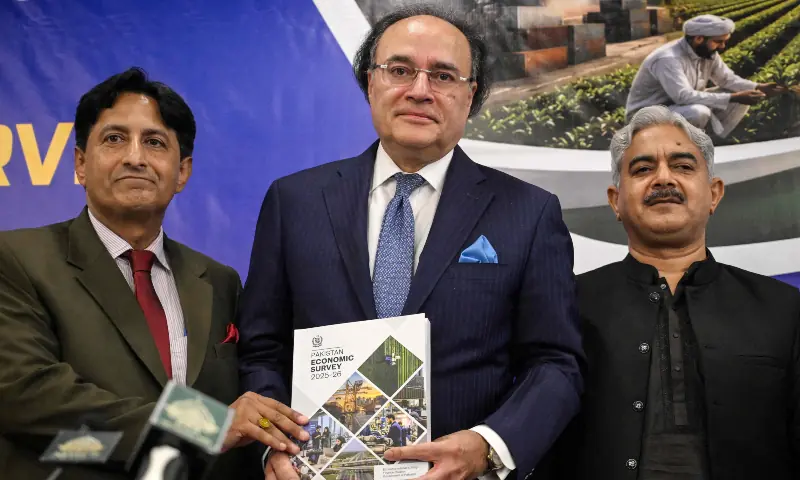
Pakistan's economy grew 3.7 percent in FY2026, its fastest rate in four years, according to the Pakistan Economic Survey presented by Finance Minister Muhammad Aurangzeb. Growth beat last year's 3.18 percent but missed the 4.2 percent target, with floods, regional conflict, and weaker food exports cited as key drags.
The Union government released an additional Rs 1,09,019 crore in tax devolution to states on August 1, 2026, separate from the regular monthly transfer. The lump-sum release aims to accelerate state capital spending in the July-September quarter, with Uttar Pradesh, Bihar, and Madhya Pradesh among the top recipients.
US mortgage rates have risen to a one-year high as markets weigh Federal Reserve rate uncertainty and Middle East conflict-driven inflation fears. Higher rates increase monthly payments for new buyers and are likely to further suppress housing market activity and refinancing.
Pakistan's Sensitive Price Index rose 13.52 percent year on year for the week ending July 2, 2026, marking 45 consecutive weeks of annual gains. Electricity up 49 percent, wheat flour up 68 percent, and LPG up 44 percent year on year are the main drivers.