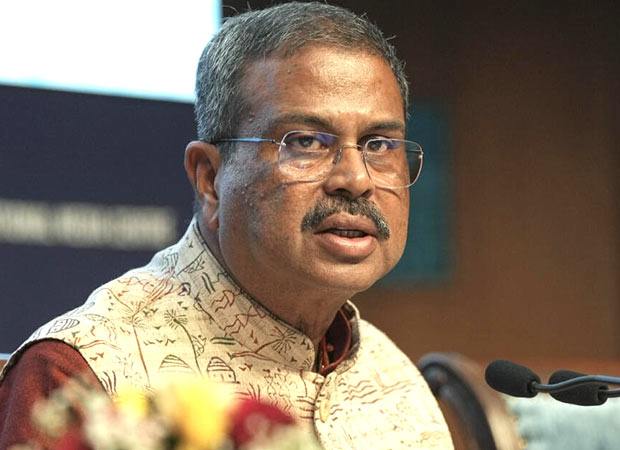
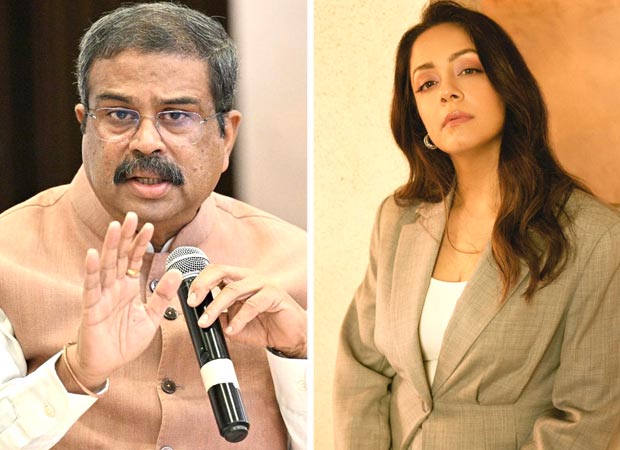
Union Education Minister Dharmendra Pradhan has resigned from his post following days of nationwide student protests over the alleged NEET paper leak and demands for wider education reform. The resignation drew immediate reactions from Bollywood, with several actors framing it as a win for peaceful, democratic protest.
The NEET controversy centers on allegations that question papers for India's national medical entrance exam were leaked ahead of the test, triggering one of the largest student-led protest movements in recent years. Students across the country demanded accountability, a re-examination, and systemic changes to how competitive entrance exams are conducted and secured.
Bollywood voices the mood
Actors including Priyanka Chopra Jonas, Aditi Rao Hydari, Fatima Sana Shaikh, Vijay Varma, Ishaan Khatter, Dia Mirza, and comedian Vir Das publicly responded to the news. Most framed Pradhan's exit as evidence that sustained, non-violent civic pressure can force accountability at the ministerial level. Earlier in the week, actor Jyotika had called directly for Pradhan to step down, backing students and demanding accountability from the government.
The responses from the film industry reflect a broader public sentiment that has built over several days. While celebrities rarely wade into politically charged education policy debates, the NEET leak touched a nerve because it affects millions of students competing for a limited number of medical college seats each year. A compromised exam means some students gain an unfair advantage while others, who prepared honestly, lose out on career-defining opportunities.
What changes now
A ministerial resignation does not, by itself, fix the structural problems the protests identified. The immediate questions are who replaces Pradhan at the Education Ministry, whether a formal investigation into the alleged leak produces prosecutions, and what concrete steps the government takes to secure future NEET cycles. Several actors specifically called for long-term reform rather than treating the resignation as a final resolution.
For students who have already taken the exam, the core demand remains clarity: will results be cancelled, will a re-test be ordered, and will those responsible for any leak face legal consequences? The government has not yet publicly answered those questions in full.
The political significance of the resignation should not be understated. Education is a subject that cuts across party lines and directly affects tens of millions of families. A sitting cabinet minister stepping down over an exam controversy signals that the pressure from student movements carries real political weight, even within a government holding a strong parliamentary majority.
For India's broader education policy landscape, the episode puts a spotlight on the integrity of centralized testing infrastructure. NEET is administered by the National Testing Agency, and questions about oversight, paper security, and digital exam delivery systems are now firmly on the policy agenda. Any incoming education minister will face immediate pressure to present a credible reform roadmap.
What to watch next: the appointment of a new Education Minister, any formal government response on NEET result validity, and whether the National Testing Agency faces structural changes or independent oversight as a result of this episode.