India to Restore UPI Merchant Fees, PhonePe Gains Most
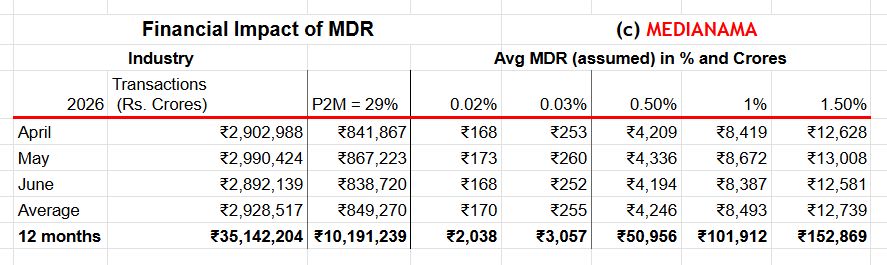
India's government plans to amend the Payment and Settlement Systems Act to restore UPI merchant discount rates, ending the zero-MDR regime in place since January 2020.
Key Takeaways
May 31, 2026 · 4 min read · By Rishabh Bhardwaj
·
AI-assisted, human-reviewed · Our editorial standards

A Delhi High Court ruling has held Google liable for trademark infringement over its keyword advertising practices, ordering the company to pay $31,600 in damages. The case centered on Google allowing competitors to buy "Hindware" as an advertising keyword, meaning rival businesses could trigger their ads when users searched for the well-known Indian sanitary ware brand. The court found this constituted unauthorized use of a registered trademark.
Keyword advertising works like this: a business bids on a competitor's brand name through Google's ad platform, and when a user searches for that brand, the competitor's ad appears alongside or above the organic results. The user may not immediately realize they are seeing a paid ad from a rival company. Courts in different countries have reached conflicting conclusions on whether this practice infringes trademark law, making the Delhi ruling notable for the clarity it attempts to bring in the Indian context.
The core legal question was whether Google, as the platform enabling these keyword bids, bears responsibility for how those keywords are used. The court answered yes. By allowing a third party to purchase a registered trademark as an advertising trigger without the trademark owner's permission, Google was found to have facilitated infringement, not merely provided a neutral technical service.
For Indian companies with registered trademarks, this ruling opens a direct legal path against Google when competitors use their brand names as ad keywords. Previously, the practical recourse was limited: trademark holders could complain to Google, but the platform's own policies on keyword use have generally permitted competitors to bid on brand terms, even if they restrict direct use of the trademark in ad copy itself. A court-backed liability standard changes that calculus.
The $31,600 damages award is modest by global standards, but the precedent carries more weight than the figure suggests. If the ruling is upheld and applied consistently, Google may face pressure to modify how its ad auction system operates in India, either by restricting keyword bids on registered trademarks or by building stricter verification steps before allowing such bids. Either outcome raises the cost and compliance burden of running keyword ad campaigns that rely on competitor brand terms.
Advertisers who currently use competitor brand keywords as a routine acquisition strategy will need to reassess the legal exposure in the Indian market. Industries where brand recognition is a major competitive asset, such as consumer goods, pharmaceuticals, and financial services, are likely to feel this most acutely. A single ruling does not immediately change Google's platform policies, but it gives trademark holders a template for litigation and may prompt out-of-court settlements in similar disputes.
The immediate question is whether Google appeals the ruling. An appeal would delay any operational impact and could result in a higher court revisiting the liability standard. If the ruling stands, Indian trademark holders in other sectors may file similar cases, testing whether the Hindware decision reflects a broader judicial position or remains an isolated outcome.
Regulators and legal teams at companies running large Google Ads campaigns in India should treat this as a live compliance signal. The ruling does not ban keyword advertising outright, but it establishes that using a rival's registered trademark as an ad keyword, without authorization, can carry legal consequences in Indian courts. That is a meaningful shift from the ambiguity that existed before.
For Google, the broader risk is not just the damages amount but the operational question of how to manage trademark disputes at scale across a market with millions of registered brands. Any policy adjustment it makes in response would ripple across the entire Indian digital advertising ecosystem, affecting ad costs, campaign strategy, and competitive dynamics for businesses of all sizes.
India's government plans to amend the Payment and Settlement Systems Act to restore UPI merchant discount rates, ending the zero-MDR regime in place since January 2020.
India's government has introduced the Taxation and Other Laws (Amendment) Bill, 2026, proposing changes to payments regulation, income tax, and the Finance Act to attract FDI and support Make in India. The Bill's final shape will depend on parliamentary debate and committee review.
The government's Taxation and Other Laws (Amendment) Bill, 2026, proposes to replace the blanket UPI MDR ban with a system allowing the Centre to notify which payment modes stay fee-free.
Prime Minister Narendra Modi inaugurated the Rs 5,000 crore Bhogapuram greenfield airport in Andhra Pradesh, built under a public-private partnership model. He also laid foundation stones for infrastructure projects worth nearly Rs 18,000 crore in the state, signalling a broad investment push for the region.