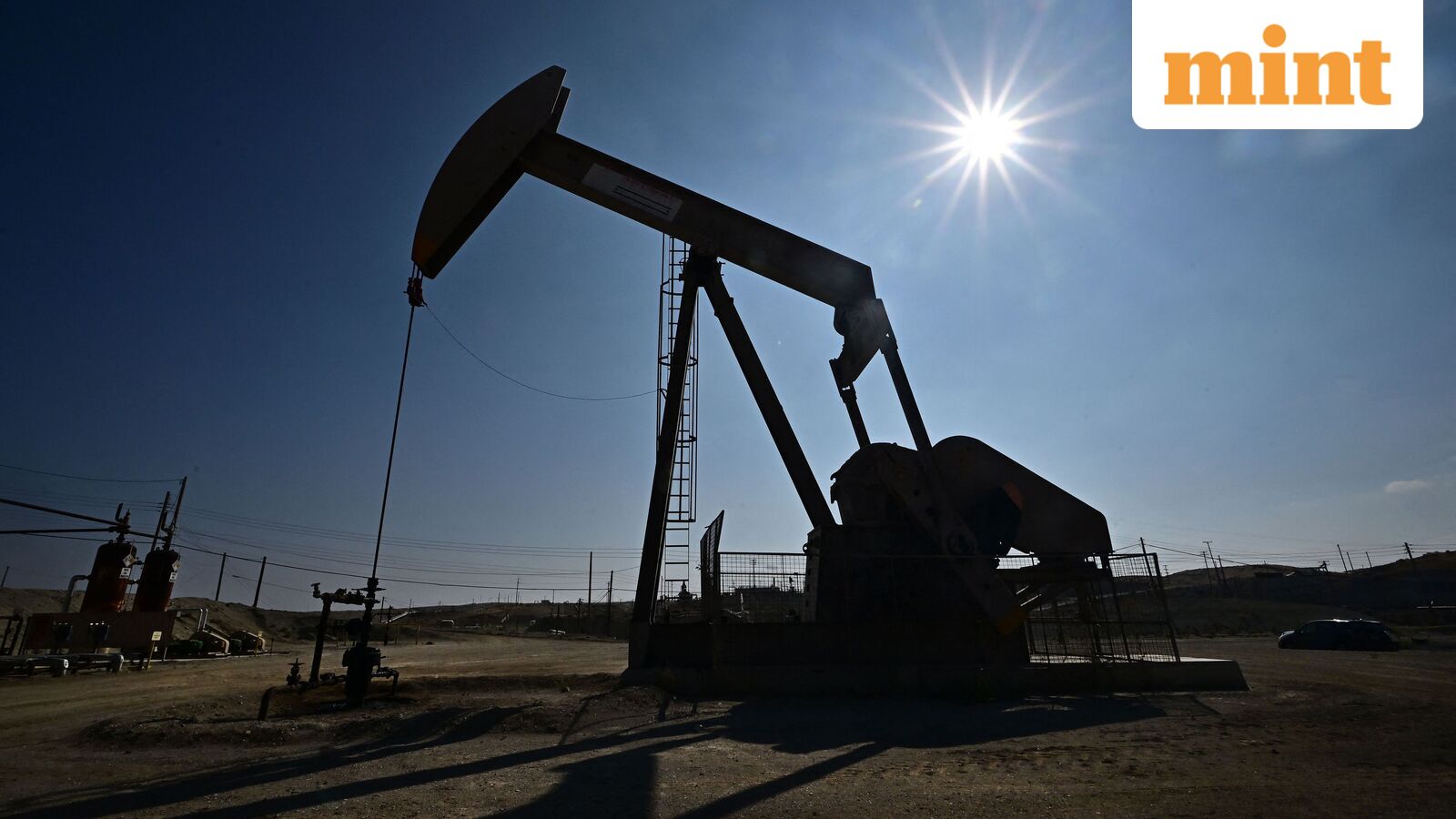
Crude oil prices surged to a one-month high on July 14, 2026, as the escalating conflict between the United States and Iran pushed Brent crude futures up 2% to $84.98 per barrel and US West Texas Intermediate (WTI) up 2.1% to $79.79 per barrel. The moves cap a roughly 10% rally in recent sessions, marking the sharpest sustained oil price jump in months.
The immediate driver is the US-Iran conflict, which directly threatens one of the world's most critical oil supply corridors. Iran sits along the Strait of Hormuz, the narrow waterway through which roughly one-fifth of global oil supply flows. Any serious disruption there, whether from military action, sanctions tightening, or retaliatory moves on tanker traffic, translates almost immediately into tighter global supply and higher prices at the pump.
Why the 10% rally matters
A 10% price move in crude oil in a short window is not routine. It signals that traders are pricing in a meaningful probability of supply disruption, not just geopolitical noise. Brent at $84.98 is now well above the levels that prevailed before this conflict escalated, and if the situation worsens, analysts have historically pointed to the $90 threshold as the level where demand destruction and inflationary pressure become simultaneous concerns for importing economies.
For India, the stakes are particularly high. India is the world's third-largest oil importer, sourcing a large share of its crude from the Middle East. A sustained rally toward or past $85 Brent widens the import bill, puts pressure on the Indian rupee, and can feed through into domestic fuel prices, freight costs, and broader inflation. The Reserve Bank of India's monetary policy calculus becomes harder when oil costs rise sharply and unexpectedly.
WTI at $79.79 matters most for US producers and refiners, but the global benchmark is Brent, and both contracts moving in near lockstep reflects a unified market response to geopolitical supply risk rather than any localized demand surge.
What changes next
The trajectory from here depends almost entirely on how the US-Iran conflict develops. Three scenarios are worth tracking. First, if diplomatic channels open or a ceasefire becomes credible, prices could retrace quickly since the rally is risk-driven rather than demand-driven. Second, if military action intensifies or Iran moves to restrict Strait of Hormuz traffic, Brent could test $90 or beyond, triggering emergency stock releases from the International Energy Agency member nations. Third, a prolonged low-intensity conflict with no direct threat to shipping lanes might keep prices elevated but range-bound near current levels.
For energy companies, the rally improves near-term margins and cash flows. For airlines, shipping firms, and manufacturers that run on fossil fuels, it is a direct cost increase that is difficult to hedge fully at short notice. Consumer-facing businesses with tight margins will feel it soonest.
Oil markets are also watching whether OPEC-plus producers use this price window to quietly accelerate production, which could cap the rally, or hold output steady to benefit from higher revenues. Their response in the coming days will shape whether the current spike becomes a durable shift or fades once the immediate fear premium cools.
In sum, the crude oil rally is a direct market signal that geopolitical risk in the Middle East is now severe enough to alter global supply expectations. Until the US-Iran situation stabilizes, energy prices are likely to remain volatile and elevated.