India to Restore UPI Merchant Fees, PhonePe Gains Most
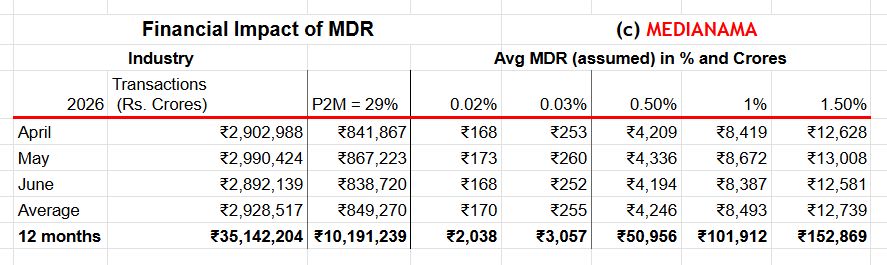
India's government plans to amend the Payment and Settlement Systems Act to restore UPI merchant discount rates, ending the zero-MDR regime in place since January 2020.
Key Takeaways
May 9, 2026 · 2 min read · By Rishabh Bhardwaj
·
AI-assisted, human-reviewed · Our editorial standards
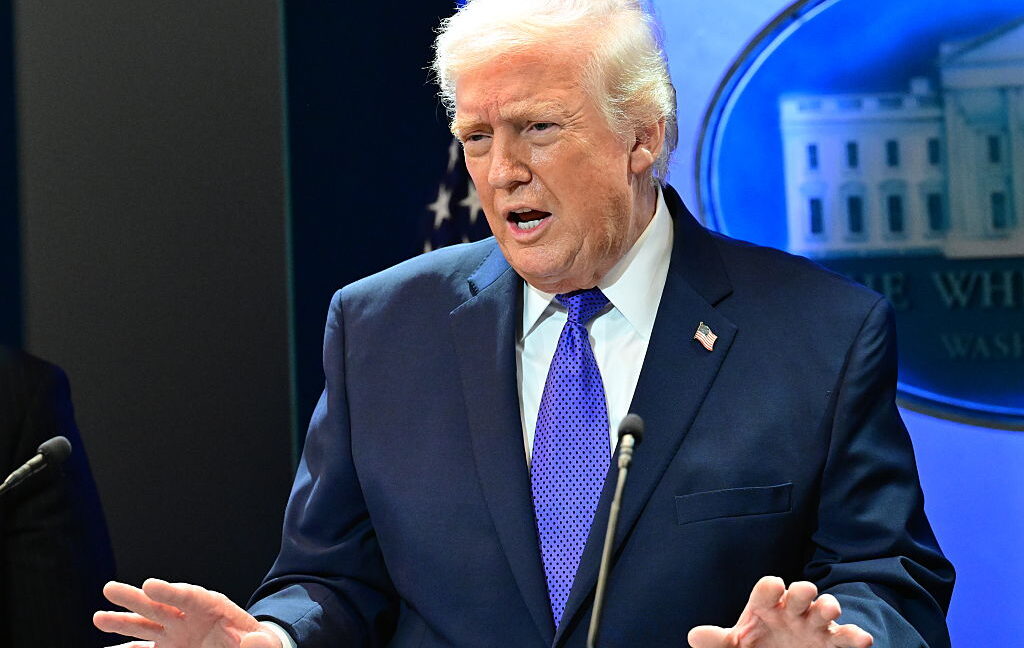
A US federal trade court has struck down President Donald Trump's global 10% tariff, ruling it illegal just as the Supreme Court had done with the emergency tariff it replaced. The ruling leaves Trump's broader trade strategy in serious jeopardy with no obvious legal workaround available in the near term.
After the Supreme Court invalidated Trump's original emergency tariffs, Trump moved fast, invoking a rarely used provision of an older trade law to impose a blanket 10% tariff on most imports. The US Court of International Trade has now ruled that second tariff illegal too. According to the court's reasoning, Trump lacked the legal authority to use that provision as the basis for a sweeping global tariff.
The back-to-back rulings matter because Trump has now exhausted the emergency legal mechanisms he relied on. Courts have rejected both attempts, and there are no comparable emergency provisions he can quickly invoke as a substitute. That is a meaningful constraint, not just a procedural setback.
Trump is scheduled to meet Chinese President Xi Jinping in roughly a week. Tariffs were his primary source of leverage in those negotiations. Xi was already seen as holding the stronger hand going into talks, and the court rulings weaken Trump's position further. Without the credible threat of tariffs, the US has less pressure to apply during negotiations.
The broader policy goal behind the tariffs, pushing manufacturers to move production into the US, now looks harder to execute through executive action alone. Any lasting tariff framework would likely need to go through Congress, a slower and less certain path.
For markets and businesses that had been pricing in a prolonged tariff regime, the rulings introduce real uncertainty about what the trade landscape will look like in the months ahead. Import-dependent sectors may see some relief, while domestic manufacturers who were banking on tariff protection face renewed exposure to foreign competition.
Watch for whether the administration appeals the Court of International Trade ruling, whether Congress moves to grant broader tariff authority, and what concessions, if any, the US can secure from China without tariffs as a bargaining chip.
India's government plans to amend the Payment and Settlement Systems Act to restore UPI merchant discount rates, ending the zero-MDR regime in place since January 2020.
India's government has introduced the Taxation and Other Laws (Amendment) Bill, 2026, proposing changes to payments regulation, income tax, and the Finance Act to attract FDI and support Make in India. The Bill's final shape will depend on parliamentary debate and committee review.
The government's Taxation and Other Laws (Amendment) Bill, 2026, proposes to replace the blanket UPI MDR ban with a system allowing the Centre to notify which payment modes stay fee-free.
Prime Minister Narendra Modi inaugurated the Rs 5,000 crore Bhogapuram greenfield airport in Andhra Pradesh, built under a public-private partnership model. He also laid foundation stones for infrastructure projects worth nearly Rs 18,000 crore in the state, signalling a broad investment push for the region.