India to Restore UPI Merchant Fees, PhonePe Gains Most
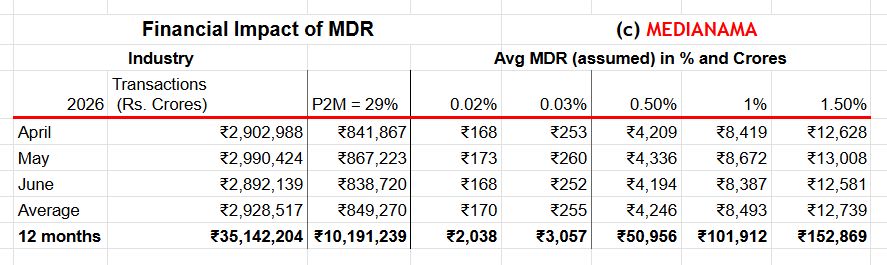
India's government plans to amend the Payment and Settlement Systems Act to restore UPI merchant discount rates, ending the zero-MDR regime in place since January 2020.
Key Takeaways
May 2, 2026 · 2 min read · By Rishabh Bhardwaj
·
AI-assisted, human-reviewed · Our editorial standards
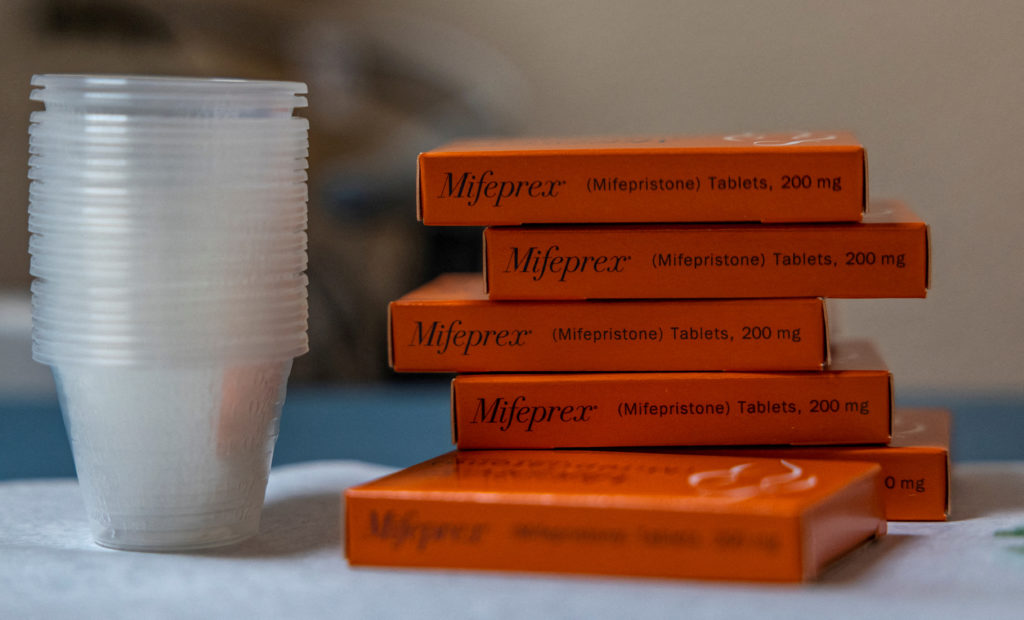
A panel of the 5th U.S. Circuit Court of Appeals, based in New Orleans, has ruled that mifepristone, the most widely used abortion pill in the United States, cannot be sent through the mail. Distribution must now happen only in person at clinics.
The ruling is a significant practical restriction on abortion access even without banning the drug outright. Mailing has been the dominant delivery method for medication abortions since the FDA loosened rules during the COVID-19 pandemic, allowing patients to receive the pill at home after a telehealth consultation. Removing that option forces anyone seeking a medication abortion to physically visit a clinic, adding cost, travel time, and logistical barriers, especially for people in rural areas or states with limited clinic access.
Mifepristone is used in the vast majority of medication abortions in the U.S., typically taken in combination with a second drug called misoprostol. Medication abortion now accounts for the majority of all abortions performed in the country, making access to mifepristone a central question in post-Roe abortion policy.
The 5th Circuit panel's decision does not pull the drug's FDA approval, but it constrains how it reaches patients. That distinction matters legally: the court is not saying the drug is unsafe, but it is limiting the distribution channel that made access broad and discreet.
The practical burden falls most heavily on people who live far from abortion providers, those in states that have already restricted or banned abortion clinics, and anyone who relied on mail-order access for privacy or convenience. Telehealth abortion services, which expanded sharply after Roe v. Wade was overturned in 2022, would effectively lose their core delivery model under this ruling.
The decision comes from the 5th Circuit, a court whose jurisdiction covers Texas, Louisiana, and Mississippi, states that have already enacted strict abortion restrictions. The ruling's reach, however, extends to how the drug can be distributed nationally, given that federal drug distribution rules apply across state lines.
The case is likely to face further legal challenges and could move toward the Supreme Court, which already addressed mifepristone access in a separate case in 2024. Watch for whether the Biden or incoming administration weighs in on enforcement, and whether other circuit courts issue conflicting rulings that force the Supreme Court to step in again.
India's government plans to amend the Payment and Settlement Systems Act to restore UPI merchant discount rates, ending the zero-MDR regime in place since January 2020.
India's government has introduced the Taxation and Other Laws (Amendment) Bill, 2026, proposing changes to payments regulation, income tax, and the Finance Act to attract FDI and support Make in India. The Bill's final shape will depend on parliamentary debate and committee review.
The government's Taxation and Other Laws (Amendment) Bill, 2026, proposes to replace the blanket UPI MDR ban with a system allowing the Centre to notify which payment modes stay fee-free.
Prime Minister Narendra Modi inaugurated the Rs 5,000 crore Bhogapuram greenfield airport in Andhra Pradesh, built under a public-private partnership model. He also laid foundation stones for infrastructure projects worth nearly Rs 18,000 crore in the state, signalling a broad investment push for the region.