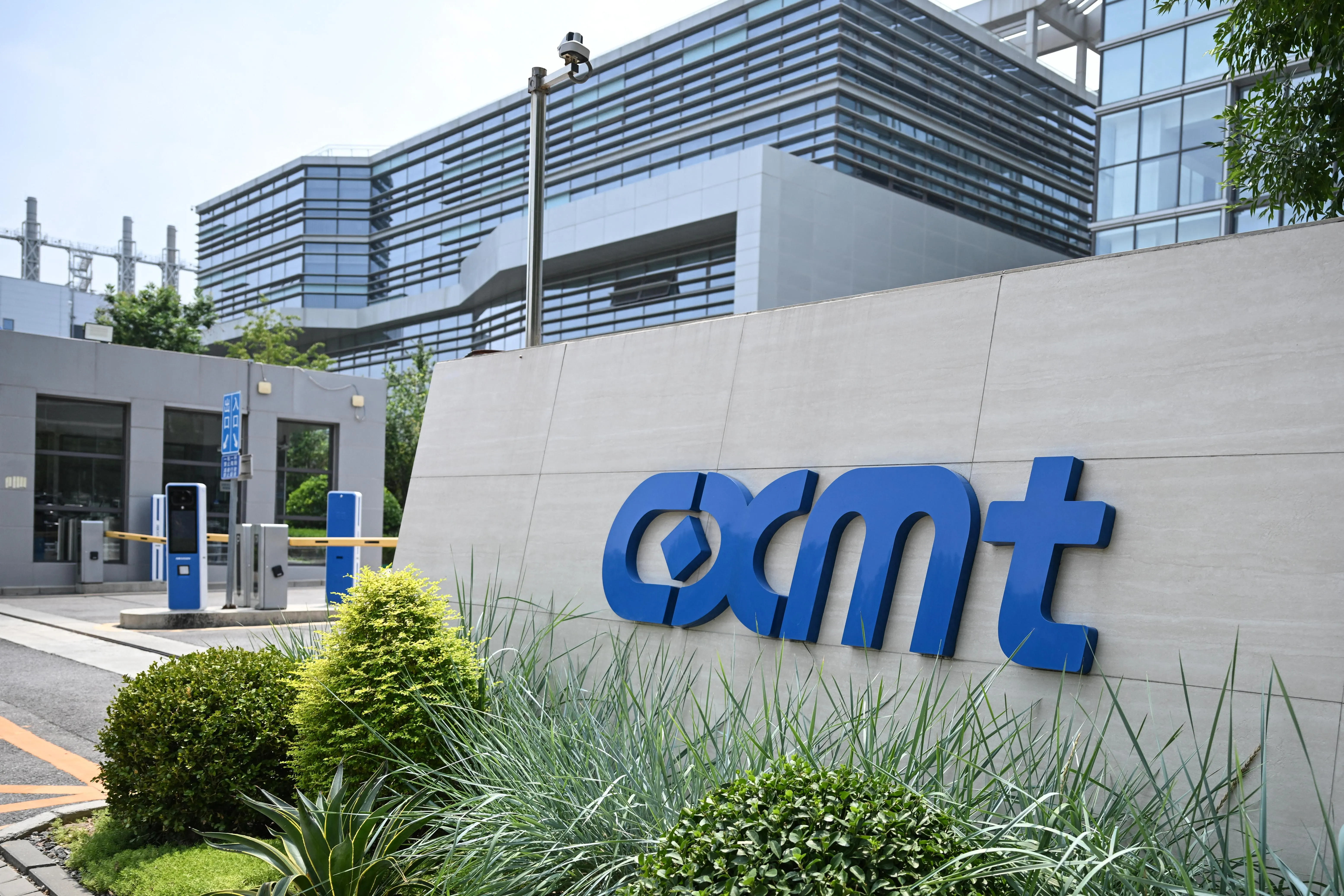
ChangXin Memory Technologies (CXMT), China's state-backed RAM maker, debuted on the Shanghai Stock Exchange on Monday with shares surging 466 percent on the first day of trading, pushing the company's market valuation to $484 billion. That figure makes CXMT the most valuable Chinese company listed on the Shanghai exchange.
The scale of the debut is striking. A 466 percent single-day move is not a market signal so much as a structural event. Chinese retail investors, starved of domestic tech listings at this scale, piled in aggressively. The result is a valuation that now rivals some of the world's largest semiconductor firms before CXMT has meaningfully broken into global supply chains.
CXMT's stated ambition is to compete directly with the three firms that currently dominate global memory chip production: Samsung, Micron Technology, and SK Hynix. Together, those three control the vast majority of DRAM and NAND flash memory sold worldwide. CXMT is attempting to enter a market defined by extreme capital intensity, tight manufacturing tolerances, and decades of accumulated process knowledge held by its rivals.
Why the Timing Matters
The listing comes at a moment when memory demand is unusually high and structurally shifting. AI data centers require enormous volumes of high-bandwidth memory, and the largest AI hardware buyers are actively looking for ways to reduce their dependence on a small handful of suppliers. That search for alternatives gives CXMT a commercial opening that would have been far narrower five years ago.
Device makers outside the AI sector are also under margin pressure and would benefit from a credible fourth supplier capable of driving prices down. CXMT's emergence, even at an early commercial stage, changes the negotiating dynamic for buyers. The mere presence of a funded, exchange-listed Chinese memory producer signals to Samsung, Micron, and SK Hynix that pricing power over the next decade may be more contested than the last.
For the global memory industry, the more important number is not the $484 billion valuation but the capital CXMT can now raise from public markets. A listing of this size, on this kind of first-day enthusiasm, gives CXMT access to funding that can accelerate its manufacturing buildout, recruit process engineers, and subsidize pricing during the market-entry phase. Chinese memory producers have historically struggled to match the process node leadership of their Korean and American rivals, but capital can shorten that gap.
What to Watch Next
The critical question is whether CXMT's market debut translates into actual technological and commercial progress. Stock market valuations in Chinese tech listings, particularly at debut, often reflect national sentiment and retail momentum as much as near-term earnings power. The $484 billion figure will need to be justified over time by yield rates, production volumes, and the ability to qualify CXMT chips with major customers.
Geopolitics adds another layer of complexity. US export controls on advanced semiconductor equipment have been tightening, and CXMT's ability to access the tools needed for leading-edge memory production remains constrained. How the company navigates those restrictions, through domestic equipment sourcing, licensed technology, or other routes, will define its competitive ceiling as much as its engineering capability.
For investors and analysts tracking the memory sector, CXMT's listing is a signal that China is committing serious institutional capital to memory independence. Whether that translates into a genuine fourth pillar of global memory supply or remains a domestically consumed story is the question the next two to three years will answer.