India to Restore UPI Merchant Fees, PhonePe Gains Most
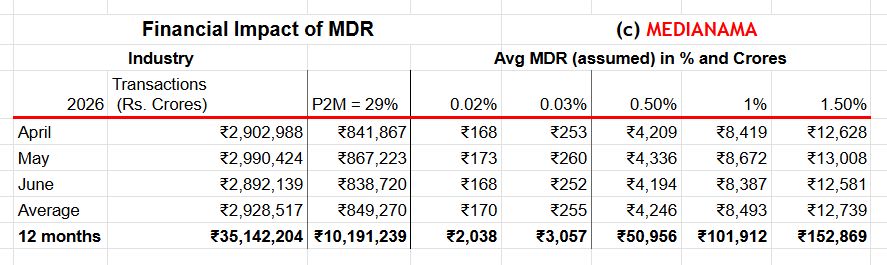
India's government plans to amend the Payment and Settlement Systems Act to restore UPI merchant discount rates, ending the zero-MDR regime in place since January 2020.
Key Takeaways
May 2, 2026 · 2 min read · By Rishabh Bhardwaj
·
AI-assisted, human-reviewed · Our editorial standards

A bill introduced in the US Congress proposes a three-year freeze on new H-1B visas, targeting one of the most widely used pathways for skilled foreign workers, a category dominated by Indian nationals in sectors like technology and finance.
The legislation would cut the annual H-1B cap from 65,000 to 25,000, a reduction of more than 60 percent. It would also set a minimum salary of $200,000 per year for H-1B holders and bar them from bringing dependents to the United States during the pause period.
Currently, employers can sponsor H-1B workers across a wide salary range, and visa holders can bring spouses and children on H-4 dependent visas. H-4 spouses with a certain status can also apply for work authorization. The proposed bill would end both provisions, making the visa significantly less attractive for workers weighing relocation from countries like India.
The $200,000 minimum wage floor is the sharpest mechanism here. It would effectively price out most mid-level technology roles, concentrating eligibility among senior engineers and specialists at large firms that can absorb the cost. Smaller companies and startups that rely on H-1B workers at market-rate salaries would face the biggest squeeze.
Indian workers account for the largest share of H-1B approvals by nationality. A three-year freeze combined with a lower cap and a high wage floor would sharply narrow access for new applicants and reduce leverage for those already in the queue. IT services firms that staff US clients using H-1B workers, several of which are Indian multinationals, would face direct operational pressure if the bill advances.
It is worth noting that bills introduced in Congress frequently do not become law, and this proposal faces significant opposition from the US technology industry, which has long argued that H-1B workers fill genuine skills gaps. Whether it gains traction depends on committee support and broader political momentum around immigration reform.
The bill's timing matters. H-1B reform has become a live political topic in Washington, and even failed legislation can shift the terms of debate or influence administrative policy. Employers and workers in the visa pipeline should watch for any executive action or regulatory change that could move independently of this bill.
India's government plans to amend the Payment and Settlement Systems Act to restore UPI merchant discount rates, ending the zero-MDR regime in place since January 2020.
India's government has introduced the Taxation and Other Laws (Amendment) Bill, 2026, proposing changes to payments regulation, income tax, and the Finance Act to attract FDI and support Make in India. The Bill's final shape will depend on parliamentary debate and committee review.
The government's Taxation and Other Laws (Amendment) Bill, 2026, proposes to replace the blanket UPI MDR ban with a system allowing the Centre to notify which payment modes stay fee-free.
Prime Minister Narendra Modi inaugurated the Rs 5,000 crore Bhogapuram greenfield airport in Andhra Pradesh, built under a public-private partnership model. He also laid foundation stones for infrastructure projects worth nearly Rs 18,000 crore in the state, signalling a broad investment push for the region.