India to Restore UPI Merchant Fees, PhonePe Gains Most
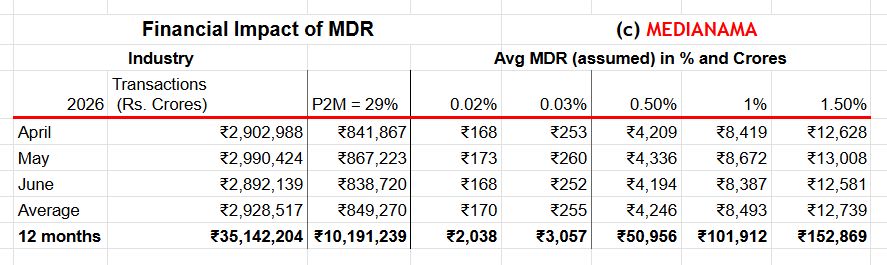
India's government plans to amend the Payment and Settlement Systems Act to restore UPI merchant discount rates, ending the zero-MDR regime in place since January 2020.
Key Takeaways
May 2, 2026 · 2 min read · By Rishabh Bhardwaj
·
AI-assisted, human-reviewed · Our editorial standards
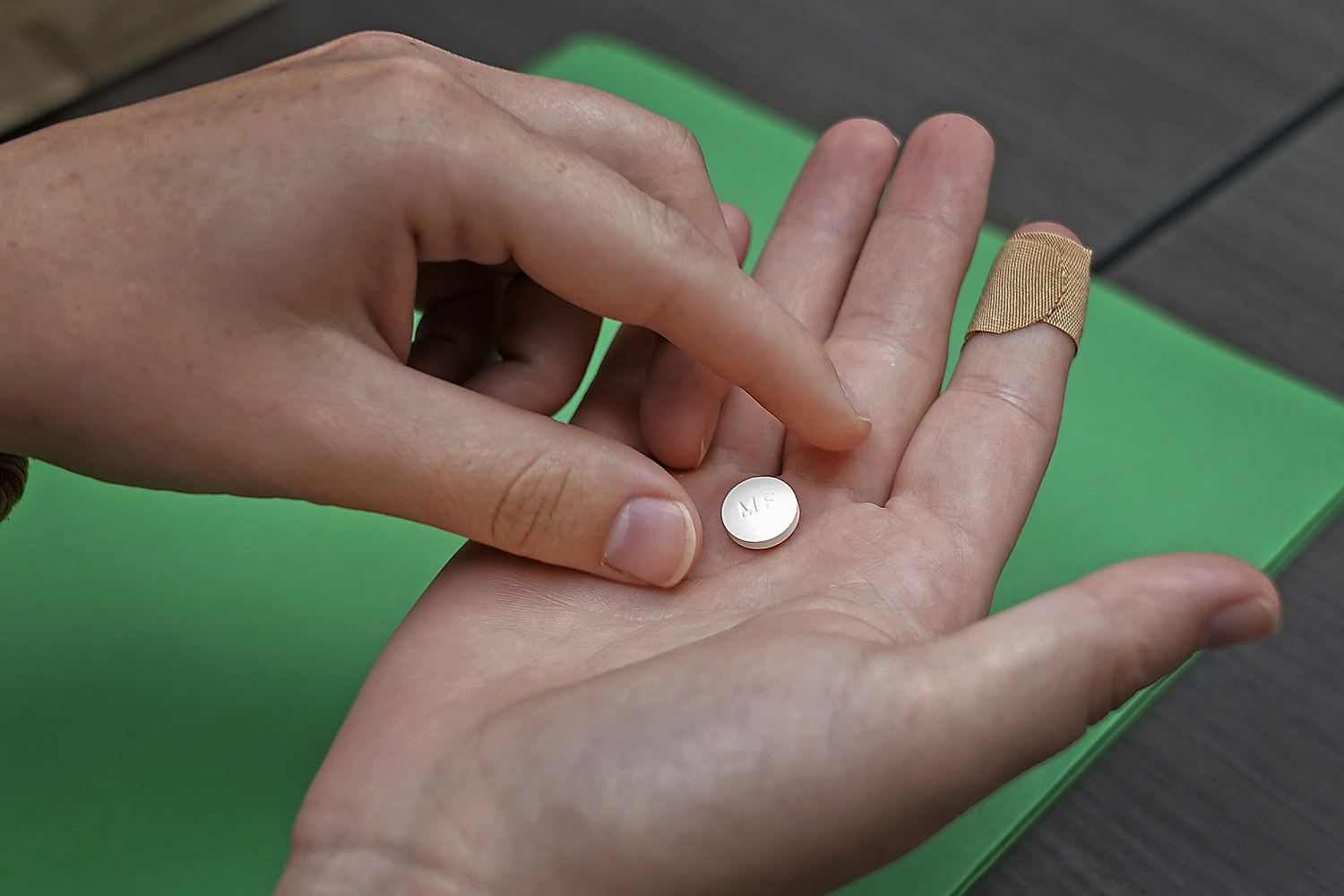
A federal appeals court has reinstated a rule requiring abortion pills to be dispensed in person nationwide, ending the ability of patients to receive them through telehealth prescriptions sent by mail.
The ruling came after Louisiana asked the court to reimpose the restriction. The appeals court granted that request, meaning the in-person dispensing requirement now applies across the country, not just in states that have moved to ban or limit abortion.
Since the Food and Drug Administration loosened its rules during the COVID-19 pandemic, patients in many states had been able to consult a provider online, get a prescription, and receive mifepristone or other abortion pills by mail without visiting a clinic or doctor's office in person. That pathway is now blocked under this ruling.
The practical effect is significant. Telehealth access to abortion medication had become a primary route for patients in states with clinic shortages, long travel distances, or other barriers to in-person care. Cutting off mail delivery means those patients must now physically visit a qualifying provider, which is not always possible depending on where they live.
This ruling applies nationwide, so even patients in states where abortion is fully legal are affected. Providers and clinics in those states that had been prescribing abortion pills remotely will need to shift to in-person dispensing to comply.
The decision is likely to face further legal challenge. Courts have been actively contested terrain on abortion access since the Supreme Court overturned Roe v. Wade in 2022, and rulings at the appeals court level can be appealed to the Supreme Court. For now, the in-person requirement stands while legal proceedings continue.
Patients, providers, and advocacy groups in this space will be watching whether an emergency appeal is filed and whether any higher court moves to pause the ruling while the underlying case is resolved.
India's government plans to amend the Payment and Settlement Systems Act to restore UPI merchant discount rates, ending the zero-MDR regime in place since January 2020.
India's government has introduced the Taxation and Other Laws (Amendment) Bill, 2026, proposing changes to payments regulation, income tax, and the Finance Act to attract FDI and support Make in India. The Bill's final shape will depend on parliamentary debate and committee review.
The government's Taxation and Other Laws (Amendment) Bill, 2026, proposes to replace the blanket UPI MDR ban with a system allowing the Centre to notify which payment modes stay fee-free.
Prime Minister Narendra Modi inaugurated the Rs 5,000 crore Bhogapuram greenfield airport in Andhra Pradesh, built under a public-private partnership model. He also laid foundation stones for infrastructure projects worth nearly Rs 18,000 crore in the state, signalling a broad investment push for the region.