India to Restore UPI Merchant Fees, PhonePe Gains Most
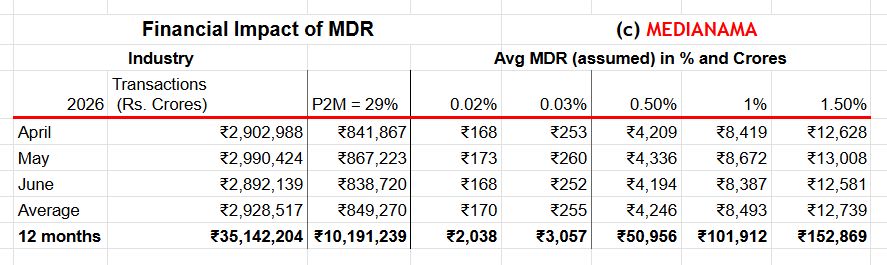
India's government plans to amend the Payment and Settlement Systems Act to restore UPI merchant discount rates, ending the zero-MDR regime in place since January 2020.
Key Takeaways
May 2, 2026 · 2 min read · By Rishabh Bhardwaj
·
AI-assisted, human-reviewed · Our editorial standards
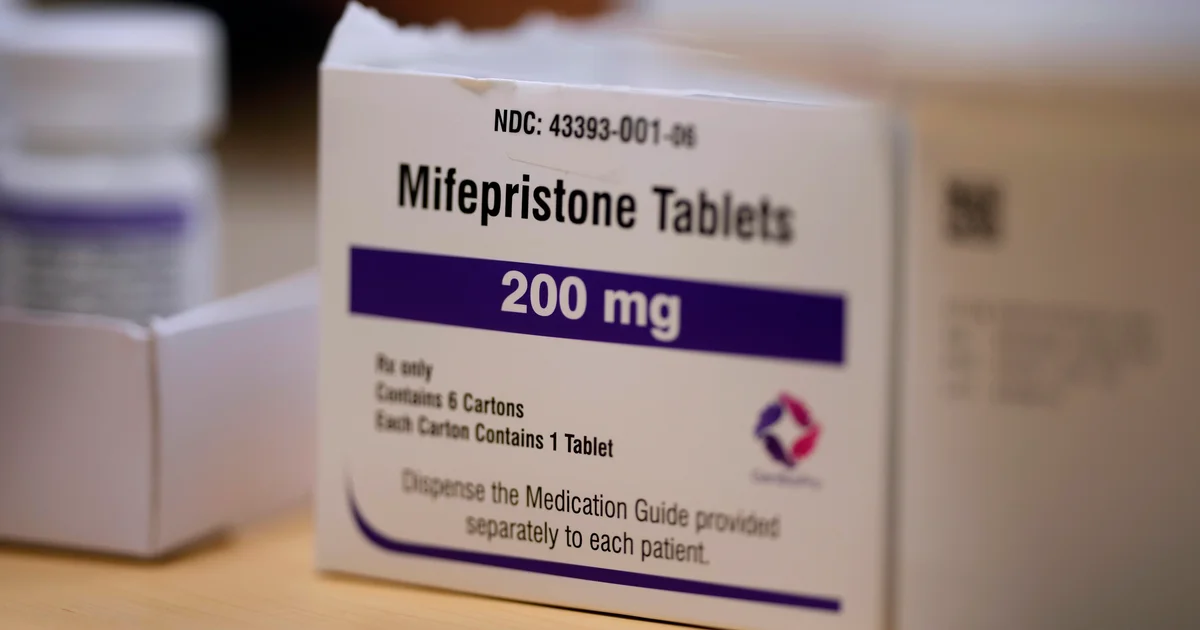
A federal appeals court has blocked the mailing of mifepristone, the abortion pill used in the majority of medication abortions in the United States, sharply restricting one of the most widely used methods of ending a pregnancy.
The court's order prevents mifepristone from being sent through the mail, cutting off a delivery channel that expanded significantly after the Supreme Court overturned Roe v. Wade in 2022. Mail-order access had allowed patients in states with abortion restrictions to obtain the drug from providers in other states, often without an in-person visit.
Mifepristone is approved by the U.S. Food and Drug Administration and is used in combination with a second drug, misoprostol, to end pregnancies. Medication abortion now accounts for the majority of all abortions in the country, making access to mifepristone a central issue in the post-Roe landscape.
The ruling hits hardest in states where surgical abortion access is already limited. Patients who relied on mail delivery, often from out-of-state telehealth providers, to avoid travel or in-person clinic requirements now face a more restricted path to the medication. Providers who ship the pill will need to pause or halt that service pending further legal developments.
The decision adds to a string of legal battles over mifepristone that have wound through the federal court system since 2022. An earlier attempt to revoke the FDA's approval of the drug entirely was rejected by the Supreme Court, but litigation over access conditions has continued.
The practical effect will depend on how quickly the ruling is challenged, whether a higher court issues a stay, and how individual states and providers respond. Abortion-rights groups are expected to seek emergency relief. The ruling does not affect in-clinic dispensing of mifepristone, so access through physical providers remains intact for now.
Watch for an emergency appeal to the Supreme Court and for telehealth abortion providers to publicly outline how they plan to respond to the new restrictions.
India's government plans to amend the Payment and Settlement Systems Act to restore UPI merchant discount rates, ending the zero-MDR regime in place since January 2020.
India's government has introduced the Taxation and Other Laws (Amendment) Bill, 2026, proposing changes to payments regulation, income tax, and the Finance Act to attract FDI and support Make in India. The Bill's final shape will depend on parliamentary debate and committee review.
The government's Taxation and Other Laws (Amendment) Bill, 2026, proposes to replace the blanket UPI MDR ban with a system allowing the Centre to notify which payment modes stay fee-free.
Prime Minister Narendra Modi inaugurated the Rs 5,000 crore Bhogapuram greenfield airport in Andhra Pradesh, built under a public-private partnership model. He also laid foundation stones for infrastructure projects worth nearly Rs 18,000 crore in the state, signalling a broad investment push for the region.