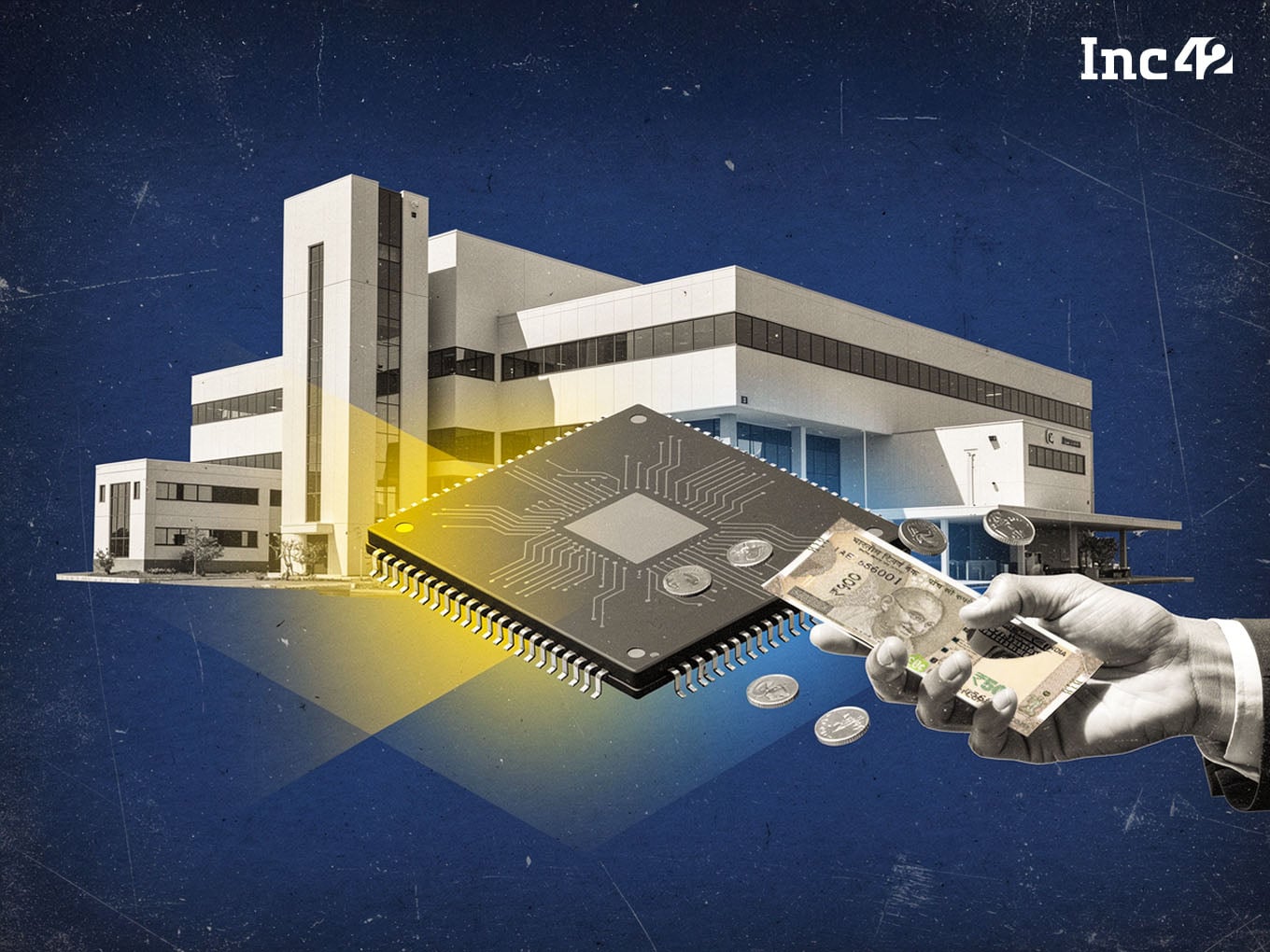
Marvell Commits $250 Mn to India Chip Expansion
Marvell Technology will invest $250 million in India over three years, doubling its workforce and expanding offices in Bengaluru and Hyderabad to advance AI and cloud chip design.
Key Takeaways
May 3, 2026 · 2 min read · By Rishabh Bhardwaj
·
AI-assisted, human-reviewed · Our editorial standards
Anthropic has launched Claude Design, an AI tool that turns plain-text prompts into visual outputs including website mockups, design prototypes, slide decks, and one-pagers.
The tool sits within the Claude product family and is aimed squarely at the early stages of building and pitching, the phase where teams need something presentable fast but don't want to open a design app from scratch. A user types a description of what they want, and the tool generates a polished visual draft in response.
Claude Design handles several output types in one place: website wireframes, interactive prototypes, presentation slides, and single-page briefs. The outputs aren't locked, users can edit and refine the results using tools built into the product itself, keeping the workflow inside the same interface rather than exporting to another platform.
The natural-language input model is the key mechanism here. Instead of learning a design tool's interface, a user describes intent in plain English and Claude Design translates that into a structured visual layout. That lowers the skill barrier significantly for founders, product managers, and anyone who needs a prototype or pitch deck without a dedicated designer on hand.
Anthropic is moving beyond text-only AI output into visual generation, a space where competitors like OpenAI and Google are also pushing hard. Claude Design is a direct play for business and productivity users, the kind who need to ship a prototype to a client or a pitch deck to investors quickly.
The built-in editing tools matter as much as the generation step. Many AI-generated outputs require users to leave the tool and finish the job in Figma, PowerPoint, or similar apps. Keeping edits inside Claude Design reduces friction and makes the product stickier for repeat use.
Anthropic has not yet disclosed pricing, availability details, or the specific model powering Claude Design. How well the generated outputs hold up for professional-grade work, and whether teams adopt it beyond early drafts, will determine its real traction.
Marvell Technology will invest $250 million in India over three years, doubling its workforce and expanding offices in Bengaluru and Hyderabad to advance AI and cloud chip design.
Microsoft, Nvidia, SpaceX, and Palantir have joined the newly formed Open Secure AI Alliance alongside dozens of U.S. and European tech companies. The group aims to set shared AI security standards as fallout from a cyber attack on OpenAI pushes the industry toward coordinated defenses.
Skyroot Aerospace's Vikram-1 became India's first privately built rocket to reach orbit, making India only the third country after the US and China with a private orbital launch capability.
India has approved a ₹1.25 lakh crore ISM 2.0 that replaces the earlier grant-only model with a grant-plus-equity structure, co-investing alongside private venture capital in fabless chip design startups.