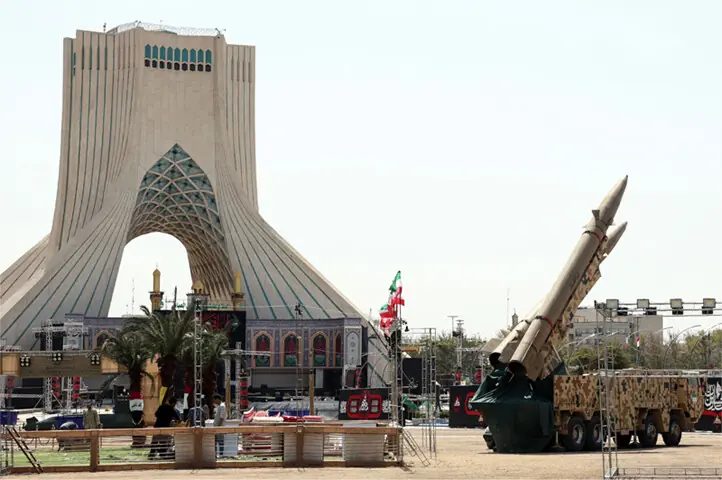
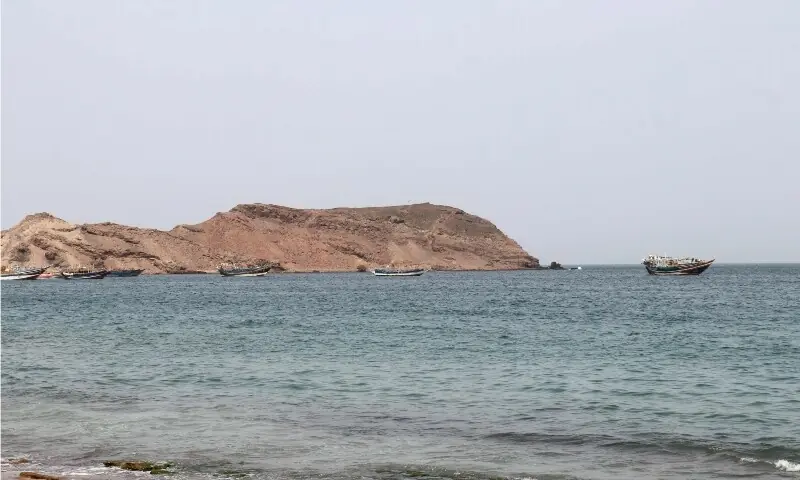
Pakistan is actively exploring ways to revive stalled US-Iran peace talks, with China's explicit backing, as American missile strikes on Iranian soil continue and both sides trade threats while keeping diplomatic channels open. The effort comes nearly five months into the US-Iran war, which is now disrupting two of the world's most critical shipping chokepoints: the Strait of Hormuz and the mouth of the Red Sea.
The fresh push began during a visit by Iranian Interior Minister Eskandar Momeni to Islamabad this week, his second in ten days, where exploratory discussions on resuming talks were held. Pakistani Foreign Minister Ishaq Dar separately met Iranian Foreign Minister Abbas Araghchi on the sidelines of the Shanghai Cooperation Organisation's Council of Foreign Ministers meeting in Cholpon-Ata, Kyrgyzstan. Dar's office said both sides agreed to build on the Islamabad MoU of June 2026, which followed Pakistan hosting the first high-level direct diplomatic contact between the US and Iran in 47 years, back in April 2026.
China is the quiet force behind the renewed push. Beijing dispatched its special envoy for a shuttle-diplomacy tour of the Middle East in March and has publicly stated its support for Pakistan's mediation role. The Chinese foreign ministry said China will continue to "play an active role in restoring peace and tranquility in the Middle East Gulf region as soon as possible." Beijing's motivation is straightforward: the closure of the Strait of Hormuz is already damaging Chinese trade, and a simultaneous Red Sea disruption, now threatened after Yemen's Houthi rebels declared a naval blockade against Saudi Arabia, would cut off a second key route that Chinese exports and energy imports depend on.
Strikes and threats run alongside diplomacy
On Friday, US missiles struck a Revolutionary Guards Navy headquarters in the Ziba Kenar area of Gilan province on the Caspian Sea. US projectiles also hit the port city of Bandar Anzali, and a separate strike on Ahvaz killed four people and injured five, according to Iran's state broadcaster IRIB. Iran's top joint military command said it would kill a member of US forces for every Iranian killed, while President Trump said on Truth Social he would hold Tehran accountable for any further Houthi attacks on shipping, warning of "major military punishment."
Yet Trump also said Friday that he had not decided on a major escalation, and that Iran was getting "very serious" in ongoing talks with Washington. "I think they're getting more and more serious as the days go by, for maybe the obvious reason," Trump said. He separately warned China and Russia not to get involved in the conflict, saying it would be "very bad for them," while also asserting he does not currently believe either country is participating directly.
Qatar and Pakistan press for implementing the Islamabad MoU
Qatar is also pushing for results. Prime Minister Sheikh Mohammed bin Abdulrahman bin Jassim Al Thani met new British Foreign Secretary Ed Miliband in Doha and called on all parties to implement the terms of the US-Iran memorandum of understanding. The Qatari foreign ministry said this includes ensuring freedom of navigation in the Strait of Hormuz to preserve regional security and "safeguard the gains achieved."
At the SCO summit, Dar urged the international community to seize the opportunity created by the Islamabad MoU and subsequent US-Iran technical talks. Pakistan's position is that dialogue is the only sustainable path forward, a stance it is now trying to operationalise through coordinated pressure from Islamabad, Beijing, and Doha.
The pattern here is a dual-track situation where strikes and diplomatic overtures are happening simultaneously. This is not unusual in such conflicts, but it raises the stakes on both tracks. Every new strike risks hardening Iranian domestic politics against any deal, while every diplomatic signal from Trump gives mediators a narrow window to work with.
What changes next depends heavily on whether the Islamabad MoU framework can be revived in a concrete form before further escalation forecloses it. The Houthi naval blockade against Saudi Arabia adds a new pressure point: Pakistan signed a mutual defence treaty with Saudi Arabia last year, which means Islamabad has its own treaty obligations running alongside its mediation role. That is a difficult position to hold as the conflict widens. Traders, energy markets, and shipping insurers are all watching whether the Hormuz and Red Sea disruptions deepen, which would push freight costs and oil prices higher and ripple through import-dependent economies including India and Pakistan itself.