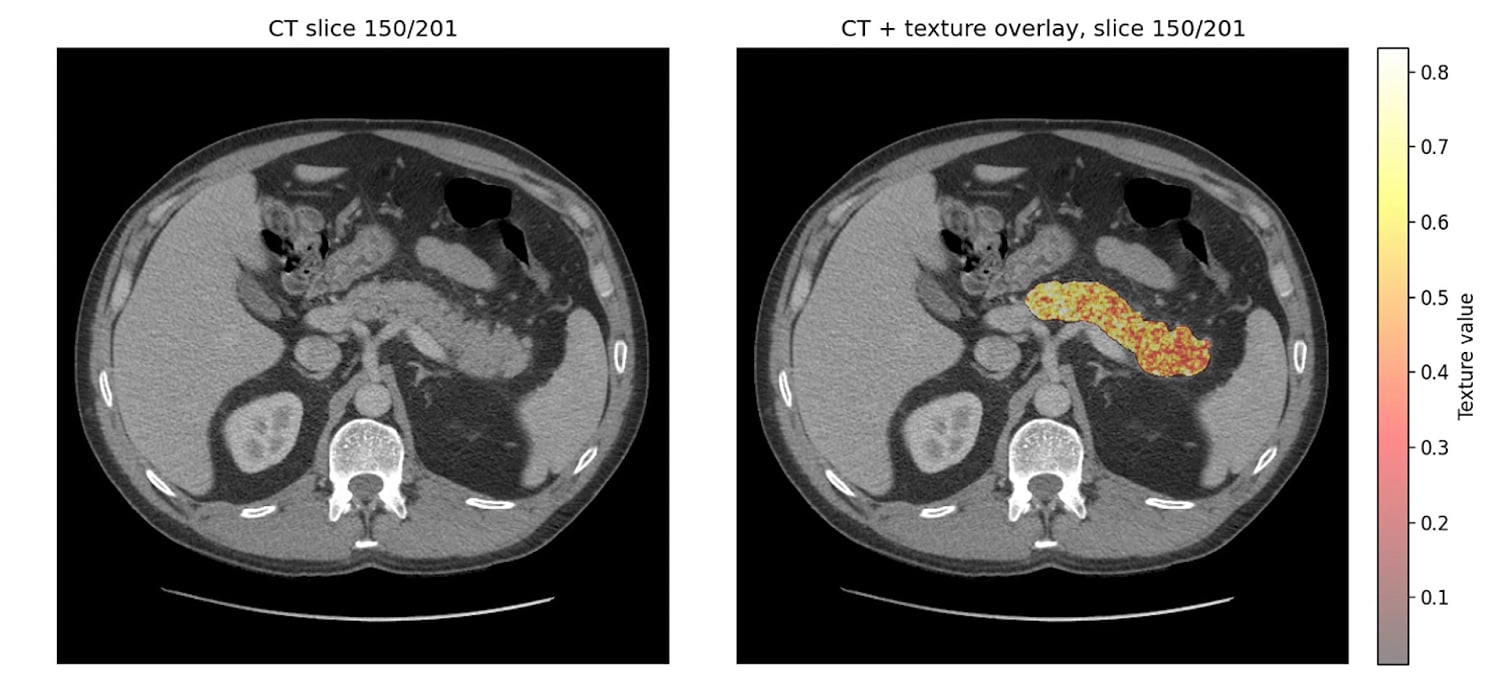
A Mayo Clinic AI model can spot early warning signs of pancreatic cancer on imaging scans up to two years before a formal diagnosis, according to new findings from the clinic.
Pancreatic cancer is one of the deadliest common cancers largely because it is almost never caught early. By the time most patients have symptoms, the disease has already spread, and the five-year survival rate sits below 15%. The central problem is that routine screening for pancreatic cancer does not exist the way it does for breast or colon cancer, so most cases are found late by accident.
What the AI Found
The Mayo Clinic model was trained to read imaging scans, likely CT or MRI, and identify subtle changes in the pancreas that precede a confirmed tumor. The system flagged these changes up to 24 months before clinicians made an official diagnosis, meaning the AI was picking up on patterns that human reviewers had not acted on at the time the scans were taken.
This is significant because the pancreas sits deep in the abdomen and early-stage changes are notoriously hard to see. The AI's ability to detect pre-diagnostic signals suggests it learned to recognize tissue or structural patterns that fall below the threshold a radiologist would typically flag for follow-up.
Why Early Detection Changes Everything
Survival outcomes in pancreatic cancer are closely tied to stage at diagnosis. Patients caught at stage one, before the cancer spreads beyond the pancreas, have a dramatically better chance of surviving five years than those caught at stage three or four. A tool that reliably identifies high-risk patients two years earlier could shift a meaningful share of diagnoses into that earlier, more treatable window.
The practical path from this finding to clinical use involves several steps. The model would need to be validated on large, diverse patient populations to confirm it performs consistently across different scan types, scanner hardware, and patient demographics. Regulators would also need to clear it before hospitals could deploy it routinely.
Still, the Mayo Clinic finding adds to a growing body of evidence that AI can surface clinically useful signals in medical imaging that humans routinely miss. Similar work has shown promise in lung cancer, diabetic eye disease, and cardiac risk. Pancreatic cancer, given how lethal late-stage disease is, may be one of the highest-value targets for this kind of tool. Watch for peer-reviewed publication of the full dataset and any announcement of prospective trials testing the model on patients who have not yet been diagnosed.