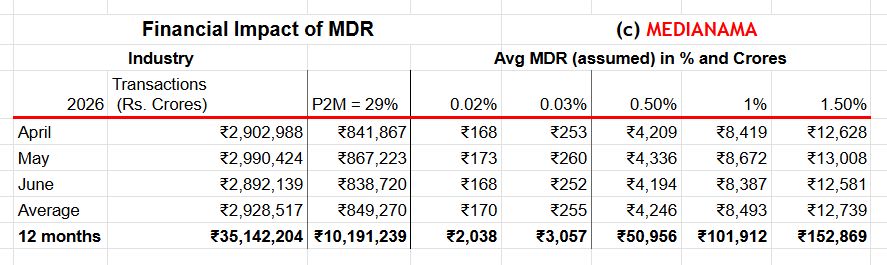
India to Restore UPI Merchant Fees, PhonePe Gains Most
India's government plans to amend the Payment and Settlement Systems Act to restore UPI merchant discount rates, ending the zero-MDR regime in place since January 2020.
Key Takeaways
June 24, 2026 · 5 min read · By Rishabh Bhardwaj
·
AI-assisted, human-reviewed · Our editorial standards
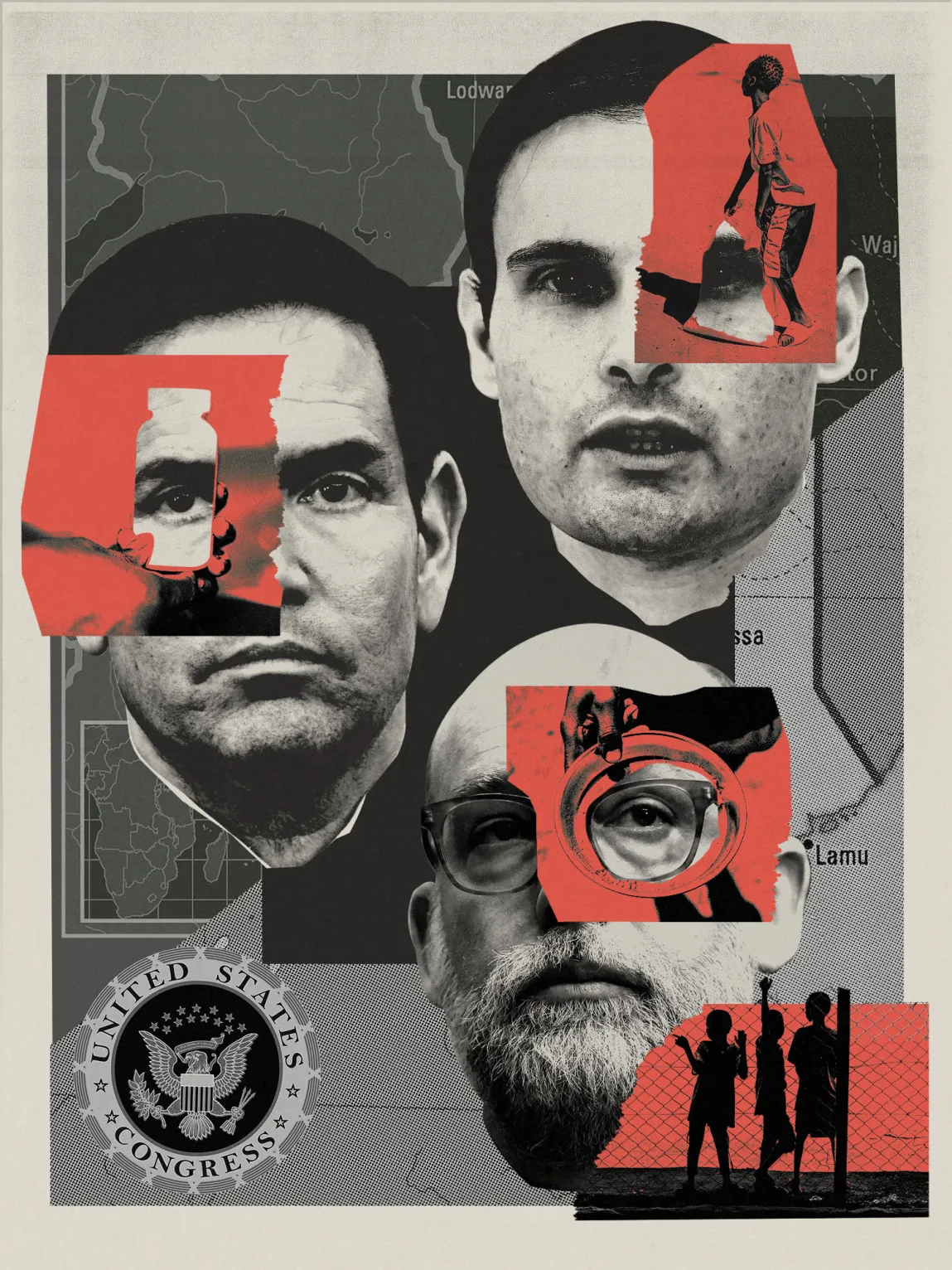
The Trump administration is defying Congress on foreign aid spending, failing to release billions of dollars that lawmakers approved into law, according to a detailed review of government records, budget documents, and interviews with legal experts and current and former officials.
Earlier this year, Congress passed a spending bill directing the State Department to allocate $9.4 billion on global health programs, including treatment for HIV, tuberculosis, and malaria, and more than $5 billion on emergency humanitarian aid. Trump signed it. Eight months into the fiscal year, officials have obligated a fraction of those funds. An analysis of federal spending data by Aid on the Hill, a group founded by former U.S. Agency for International Development employees, found the administration had obligated just $190 million of the global health allocation by the end of March 2026, compared to roughly half of the total that would typically be spent by that point. The State Department disputes those figures, saying it has approved more than $7.5 billion in spending aligned with bilateral agreements, but has not provided a detailed breakdown.
The mechanism behind the delay runs through the Office of Management and Budget, led by Russell Vought. The OMB has labeled more than $500 million in global health money as "unallocated," requiring its own approval before the State Department can spend it. Most humanitarian aid was similarly frozen, though the OMB began releasing some of those funds in May and had released all of them to State by June 11. Legal scholars say this labeling tactic likely violates federal law, specifically the Impoundment Control Act of 1974, which bars the president from withholding funds Congress has approved.
The stakes go beyond budget procedure. Last year, the administration clawed back roughly $13 billion in congressionally approved foreign aid using what Vought calls a "pocket rescission," a move the Government Accountability Office has said is illegal. The GAO's general counsel told investigators her office is reviewing potential impoundments and monitoring litigation but has not decided to file lawsuits. The Supreme Court issued an emergency ruling along ideological lines allowing the clawback to continue, without ruling on its legality.
David Super, a Georgetown University law professor specializing in administrative and constitutional law, described the current pattern as "a huge grab of power from the president, taking powers away from Congress." A former Justice Department lawyer, Cerin Lindgrensavage, now with the nonprofit Protect Democracy, put it more directly: "Congress has said spend the money, and the president doesn't want to. Under the law, Congress is supposed to win. Right now, the president is."
Congress explicitly directed the State Department to spend $524 million on family planning, $165 million on nutrition, and $109 million on neglected tropical diseases. According to government records and two people with knowledge of department activities, officials have made little or no effort to spend from any of those allocations. The State Department says it continues to implement programs in priority health areas but did not address those specific line items.
Jeremy Lewin, a 29-year-old lawyer who came to government through Elon Musk's Department of Government Efficiency with no prior humanitarian experience, is effectively running foreign aid. He has been performing the duties of undersecretary for foreign assistance since last July, a position that requires Senate confirmation, though the administration has not nominated him or anyone else. Six current and former career officials say Lewin rarely meets with staff, withholds information about plans, and personally approves even routine payments, creating a bottleneck across the entire system.
In one significant move, Lewin directed $3.8 billion to the United Nations Office for the Coordination of Humanitarian Affairs, quadrupling that agency's budget. The agreement, reviewed by investigators, does not allow the U.S. to independently audit the funds, though the UN agreed to a pilot oversight project. The decision came after nearly all of USAID's staff was fired, leaving the State Department without the capacity to manage large aid programs directly.
The President's Emergency Plan for AIDS Relief, known as PEPFAR, credited with saving 26 million lives globally, has also been affected. Congress allocated about $4.6 billion of the global health total specifically for PEPFAR. Dr. Mike Reid, who served as the program's chief scientific officer until leaving earlier this year, said staff received just half of the available PEPFAR money to work with. The State Department says it has continued to obligate and spend every dollar appropriated for global HIV programs.
The Global Fund to Fight AIDS, Tuberculosis and Malaria is owed another $661 million from the U.S., according to a board member, congressional staff, and the advocacy group Friends of the Global Fight. Senator Brian Schatz, the ranking Democrat on the Senate foreign aid oversight committee, said the administration is "out of compliance with congressional appropriations." When Schatz raised the issue at a recent Senate hearing, Secretary of State Marco Rubio said the payment would move "shortly, very quickly."
Separately, the OMB told Congress in April it was setting aside $19 billion to cover severance and wind-down costs from the thousands of USAID programs terminated last year. Of that, $3.2 billion came from funds Congress had earmarked for global health and development in the current fiscal year. If those dollars are not obligated by the end of September, they expire. Democratic senators wrote to the administration demanding the money be spent as directed and asking for a response by May 8. As of June 16, no response had been received.
With less than four months left in the fiscal year, legal experts and career officials say the risk of another large-scale rescission is real. The State Department told investigators it is "currently planning to obligate all appropriated balances, consistent with law" and will follow the president's direction on any future rescissions.
India's government plans to amend the Payment and Settlement Systems Act to restore UPI merchant discount rates, ending the zero-MDR regime in place since January 2020.
India's government has introduced the Taxation and Other Laws (Amendment) Bill, 2026, proposing changes to payments regulation, income tax, and the Finance Act to attract FDI and support Make in India. The Bill's final shape will depend on parliamentary debate and committee review.
The government's Taxation and Other Laws (Amendment) Bill, 2026, proposes to replace the blanket UPI MDR ban with a system allowing the Centre to notify which payment modes stay fee-free.
Prime Minister Narendra Modi inaugurated the Rs 5,000 crore Bhogapuram greenfield airport in Andhra Pradesh, built under a public-private partnership model. He also laid foundation stones for infrastructure projects worth nearly Rs 18,000 crore in the state, signalling a broad investment push for the region.