
Qatar Signals Progress in US-Iran War Talks
Qatar's foreign ministry said mediators including Qatar, Pakistan, and Oman have reached "very progressive stages" in efforts to end the US-Iran war, pushing Brent crude down more than four percent.
Key Takeaways
May 3, 2026 · 3 min read · By Rishabh Bhardwaj
·
AI-assisted, human-reviewed · Our editorial standards
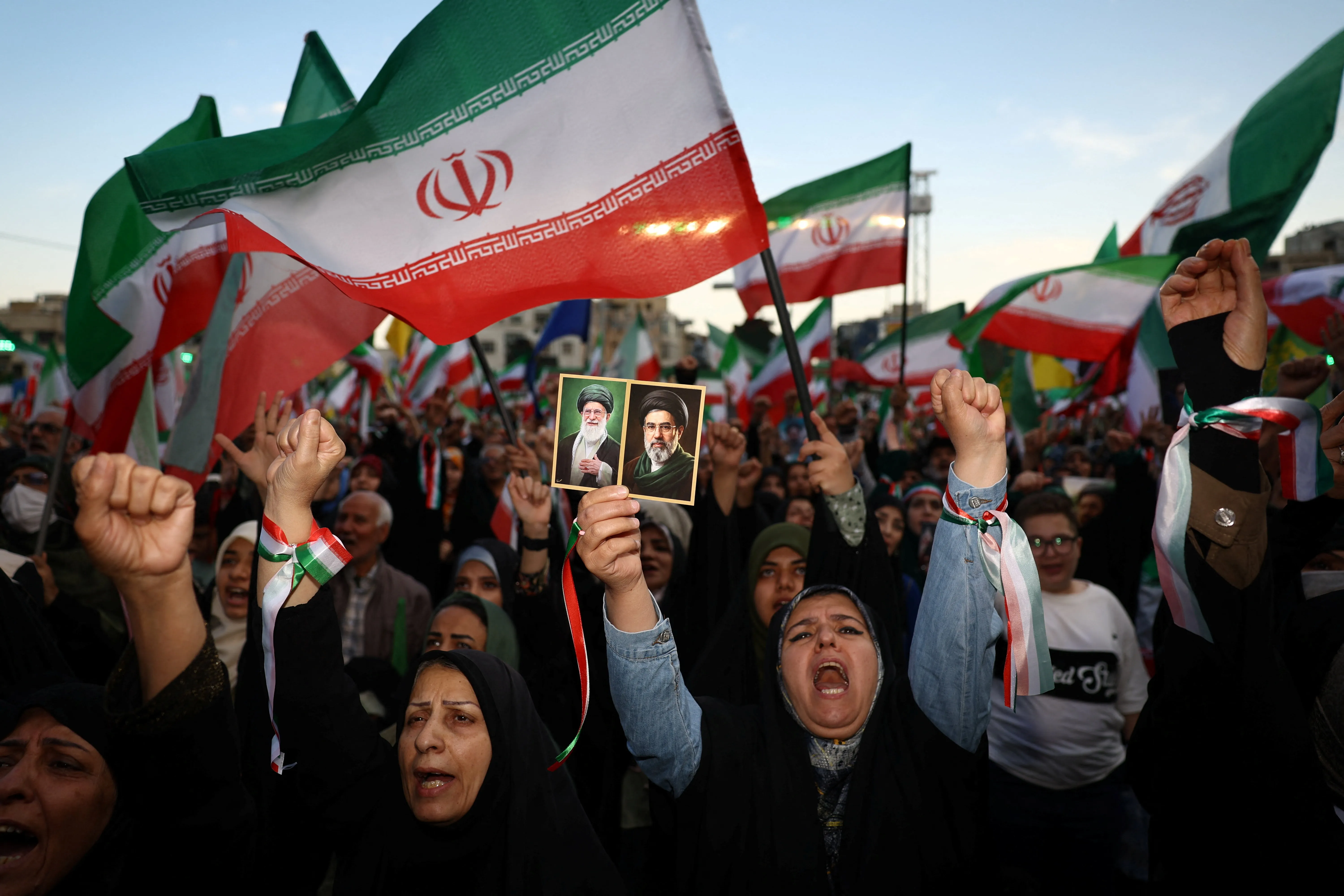
Iran has put forward a 14-point proposal aimed at ending the war, and U.S. President Donald Trump is now reviewing it. The proposal marks a notable step in what has been a heavily guarded diplomatic channel, but deep mistrust between Washington and Tehran means a deal is far from certain.
The article does not detail all 14 points, but the proposal represents Iran's most structured public attempt to define the terms under which it would agree to end hostilities. Structured multi-point proposals in diplomacy typically cover ceasefires, sanctions relief, nuclear or weapons commitments, and security guarantees, though which of these Iran has included here is not confirmed in the source.
The fact that Iran chose to present a numbered, multi-point framework rather than a broad statement of intent suggests it is trying to appear serious and negotiation-ready, likely to an international audience as much as to the Trump administration directly.
The core obstacle is not the text of the proposal but the credibility gap between the two governments. The U.S. and Iran have a long history of broken agreements, unilateral withdrawals, and proxy conflicts that make each side skeptical of the other's commitments. Trump withdrew the U.S. from the 2015 nuclear deal, the JCPOA, during his first term, and Iran responded by accelerating its nuclear program. That history makes both sides cautious about what any new agreement is actually worth.
For Trump, accepting a deal carries domestic political risk if Iran is later seen as violating terms. For Iran, agreeing to terms that require upfront concessions, such as pausing weapons programs, without guaranteed sanctions relief in return is equally difficult to sell domestically.
Neither side has a strong incentive to move fast. Iran is under significant economic pressure from sanctions, which could push it toward a deal. But the Trump administration has also shown it prefers maximum-pressure tactics over quick diplomatic settlements.
The immediate question is whether the Trump administration will respond with a counter-proposal, dismiss the 14 points outright, or use them as a starting framework for back-channel talks. A formal U.S. response, or the absence of one, will signal how seriously Washington is treating this opening. Indirect talks through mediators like Oman, which have been used before, remain a likely channel if direct engagement stays off the table.
Until the specific contents of Iran's 14 points are made public, it is hard to assess whether they represent a genuine compromise or an opening position designed to shift diplomatic pressure onto Washington.
Qatar's foreign ministry said mediators including Qatar, Pakistan, and Oman have reached "very progressive stages" in efforts to end the US-Iran war, pushing Brent crude down more than four percent.
Qatar confirmed it is mediating between the US and Iran but said no direct talks are currently planned. The clarification follows conflicting statements from President Trump, who claimed talks are under way, and Tehran, which denied any dialogue is happening.
Saudi Aramco reported sharply higher second-quarter 2026 profits as the Iran war restricts global oil supply and pushes crude prices up. Other oil supermajors also posted outsized earnings, raising concerns about sustained fuel cost pressure for importing economies.
President Trump called current Iran negotiations the "last chance" to end five months of conflict, pushing oil prices higher. Tehran denied formal talks are taking place, raising the risk of a diplomatic breakdown with direct consequences for global energy markets.