
Qatar Signals Progress in US-Iran War Talks
Qatar's foreign ministry said mediators including Qatar, Pakistan, and Oman have reached "very progressive stages" in efforts to end the US-Iran war, pushing Brent crude down more than four percent.
Key Takeaways
May 7, 2026 · 2 min read · By Rishabh Bhardwaj
·
AI-assisted, human-reviewed · Our editorial standards
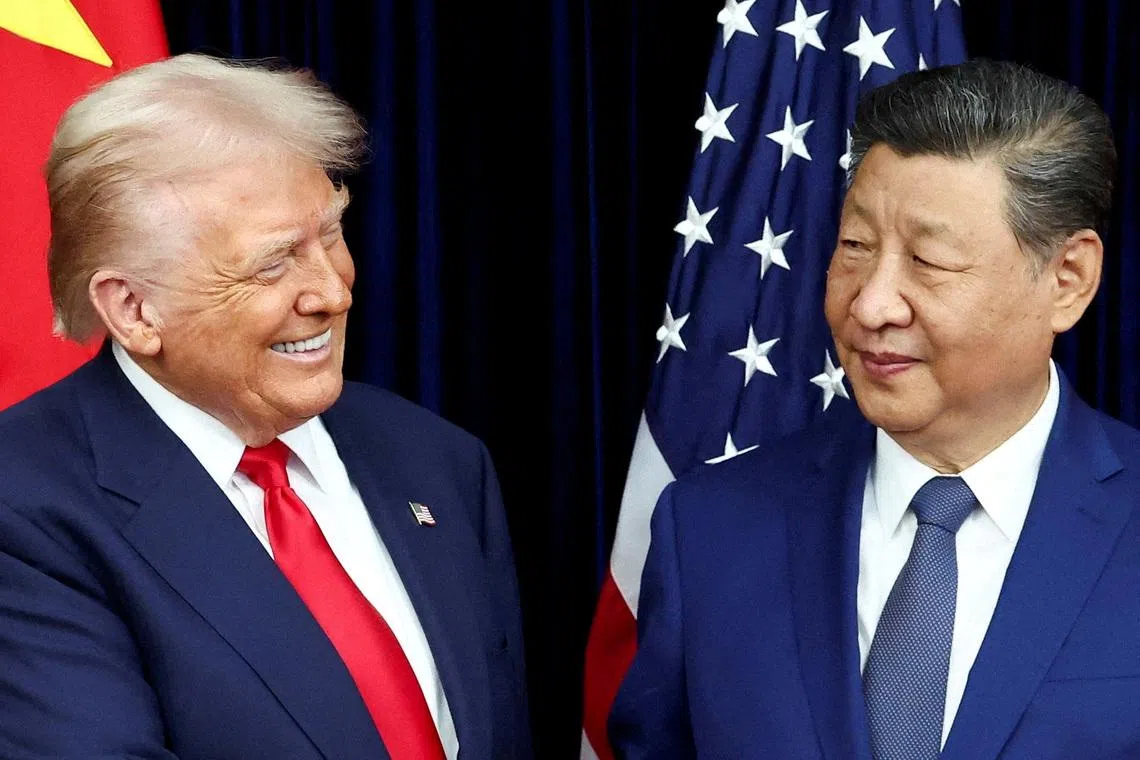
U.S. President Donald Trump is scheduled to meet Chinese President Xi Jinping in Beijing next week, with trade, Taiwan, and the Iran war all on the table in what would be one of the most consequential summits between the two powers in years.
The relationship between Washington and Beijing has been under sustained pressure across several fronts. Trade friction has been a persistent fault line, with both sides navigating tariffs, technology export controls, and disputes over market access. Taiwan remains a chronic flashpoint, with the U.S. maintaining its policy of arms sales to the island while China insists on its sovereignty claim. The Iran war adds a newer layer of complexity, given China's energy and economic ties with Tehran.
Summits like this one typically serve a stabilisation function rather than a resolution one. When ties deteriorate across multiple tracks simultaneously, a direct leadership meeting is often the only mechanism capable of resetting the tone and preventing miscalculation from escalating into a broader confrontation.
For markets, the meeting carries real weight. U.S.-China trade tensions have already affected global supply chains, semiconductor investment decisions, and commodity flows. Any signal of de-escalation, or fresh friction, could reprice risk assets, particularly in tech, energy, and emerging markets exposed to both economies.
On policy, the outcome could influence the pace and scope of U.S. export controls on advanced chips and manufacturing equipment, areas where Washington has been tightening restrictions on China's access. Beijing, for its part, has tools of its own, including rare earth export policy and its posture toward U.S. firms operating in China.
The Iran dimension is worth watching closely. China has maintained economic relationships with Iran despite Western sanctions, and the U.S. will likely press Beijing to limit support that could sustain Iran's war effort. Whether Xi offers any concrete commitment on this front could shape how Washington calibrates its broader China policy in the months ahead.
No detailed agenda or joint statement framework has been confirmed yet. The summit's practical value will depend heavily on what, if anything, the two sides agree to put in writing, or whether this remains a temperature-check meeting with limited deliverables.
Qatar's foreign ministry said mediators including Qatar, Pakistan, and Oman have reached "very progressive stages" in efforts to end the US-Iran war, pushing Brent crude down more than four percent.
Qatar confirmed it is mediating between the US and Iran but said no direct talks are currently planned. The clarification follows conflicting statements from President Trump, who claimed talks are under way, and Tehran, which denied any dialogue is happening.
Saudi Aramco reported sharply higher second-quarter 2026 profits as the Iran war restricts global oil supply and pushes crude prices up. Other oil supermajors also posted outsized earnings, raising concerns about sustained fuel cost pressure for importing economies.
President Trump called current Iran negotiations the "last chance" to end five months of conflict, pushing oil prices higher. Tehran denied formal talks are taking place, raising the risk of a diplomatic breakdown with direct consequences for global energy markets.