
Qatar Signals Progress in US-Iran War Talks
Qatar's foreign ministry said mediators including Qatar, Pakistan, and Oman have reached "very progressive stages" in efforts to end the US-Iran war, pushing Brent crude down more than four percent.
Key Takeaways
May 12, 2026 · 3 min read · By Rishabh Bhardwaj
·
AI-assisted, human-reviewed · Our editorial standards
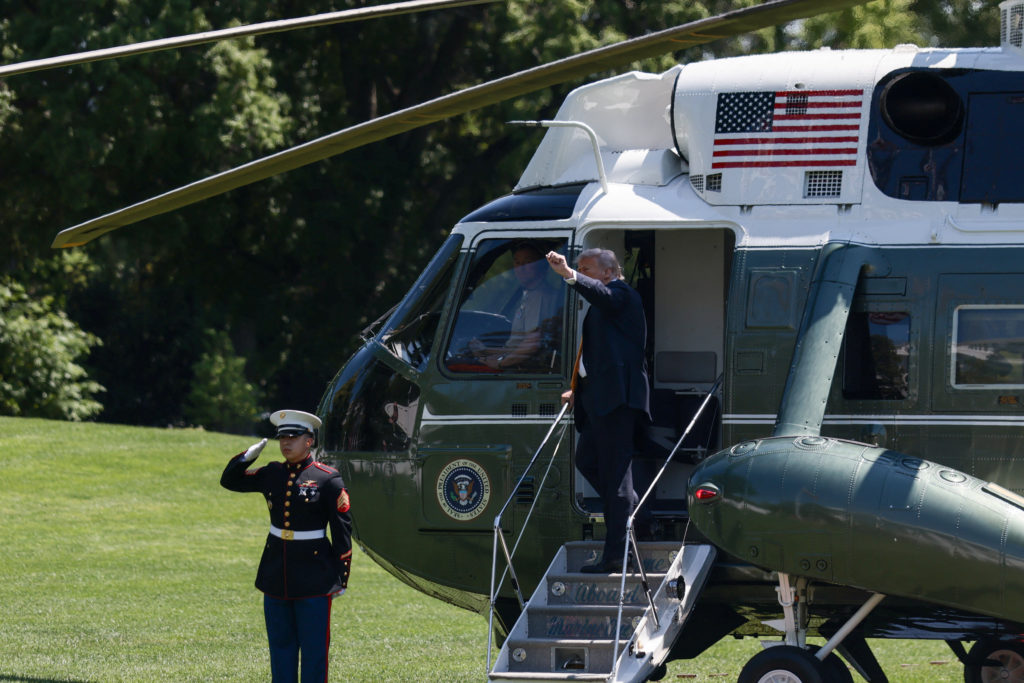
Donald Trump is making a state visit to China, traveling to Beijing for direct talks with President Xi Jinping. A delegation of senior American business executives is accompanying him, signaling that trade and economic ties are central to the agenda.
The visit is one of the highest-stakes diplomatic engagements between the two countries in recent memory. Discussions are expected to cover the full range of issues that define the U.S.-China relationship: trade imbalances, technology access, tariffs, and the military postures each country maintains in the Pacific and beyond.
The presence of top corporate executives alongside Trump is telling. When business leaders travel with a president on a state visit, it usually means deal-making is on the table. Companies in sectors like technology, energy, finance, and manufacturing often use these visits to sign agreements, open market access, or resolve regulatory disputes that diplomatic channels alone cannot move quickly enough.
U.S.-China relations have been under serious strain across multiple fronts. Tariffs imposed during Trump's first term were largely kept in place by the Biden administration and in some cases expanded. Restrictions on semiconductor exports to China, disputes over Taiwan, and competition for influence across Asia have all deepened the friction between Washington and Beijing.
A direct meeting between Trump and Xi carries symbolic and practical weight. At the symbolic level, it signals both governments are willing to keep high-level communication open rather than allow tensions to harden further. At the practical level, even small agreements reached at a summit of this kind can shift market expectations, ease supply chain uncertainty, and create openings for larger negotiations later.
For American companies, access to China's consumer market remains enormously valuable despite the geopolitical noise. Any sign that trade conditions might improve, or that specific sectors could gain better access, tends to move stock prices in those industries quickly.
The talks are described as covering both economic and security matters, which means the agenda is wide and the potential for both progress and friction is high. On the economic side, investors and businesses will be watching for any announcements on tariff relief, new trade agreements, or commitments on market access. On the security side, the tone of any joint statement, or the absence of one, will signal how far apart the two governments remain on issues like Taiwan and military activity in the South China Sea.
The executive delegation traveling with Trump adds a layer of market relevance beyond the political theater. If specific deals are announced, the sectors involved will see immediate trading reactions. If talks end without tangible outcomes, markets may read that as a signal that the broader commercial relationship remains frozen.
The visit also carries weight for countries watching from the sidelines, particularly in Asia. Allies and partners from Japan to India to Southeast Asian nations pay close attention to how Washington and Beijing manage their relationship, since shifts in that dynamic directly affect regional trade flows, security alliances, and investment decisions.
No specific agreements have been announced ahead of the visit, and the full scope of what Trump and Xi will discuss in private sessions is not yet public. What is clear is that both governments chose to hold this meeting, which itself is a data point worth noting at a time when direct engagement between the two powers has been difficult to sustain.
Qatar's foreign ministry said mediators including Qatar, Pakistan, and Oman have reached "very progressive stages" in efforts to end the US-Iran war, pushing Brent crude down more than four percent.
Qatar confirmed it is mediating between the US and Iran but said no direct talks are currently planned. The clarification follows conflicting statements from President Trump, who claimed talks are under way, and Tehran, which denied any dialogue is happening.
Saudi Aramco reported sharply higher second-quarter 2026 profits as the Iran war restricts global oil supply and pushes crude prices up. Other oil supermajors also posted outsized earnings, raising concerns about sustained fuel cost pressure for importing economies.
President Trump called current Iran negotiations the "last chance" to end five months of conflict, pushing oil prices higher. Tehran denied formal talks are taking place, raising the risk of a diplomatic breakdown with direct consequences for global energy markets.