India to Restore UPI Merchant Fees, PhonePe Gains Most
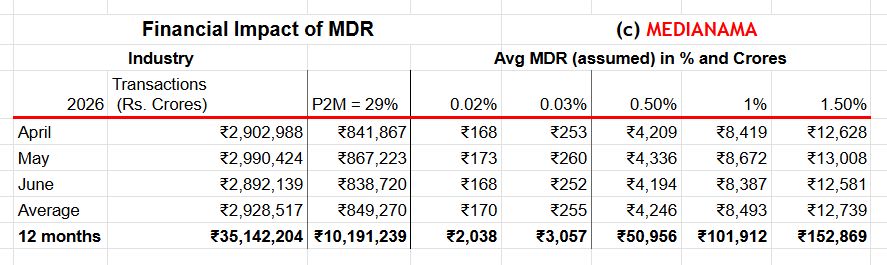
India's government plans to amend the Payment and Settlement Systems Act to restore UPI merchant discount rates, ending the zero-MDR regime in place since January 2020.
Key Takeaways
May 2, 2026 · 2 min read · By Rishabh Bhardwaj
·
AI-assisted, human-reviewed · Our editorial standards
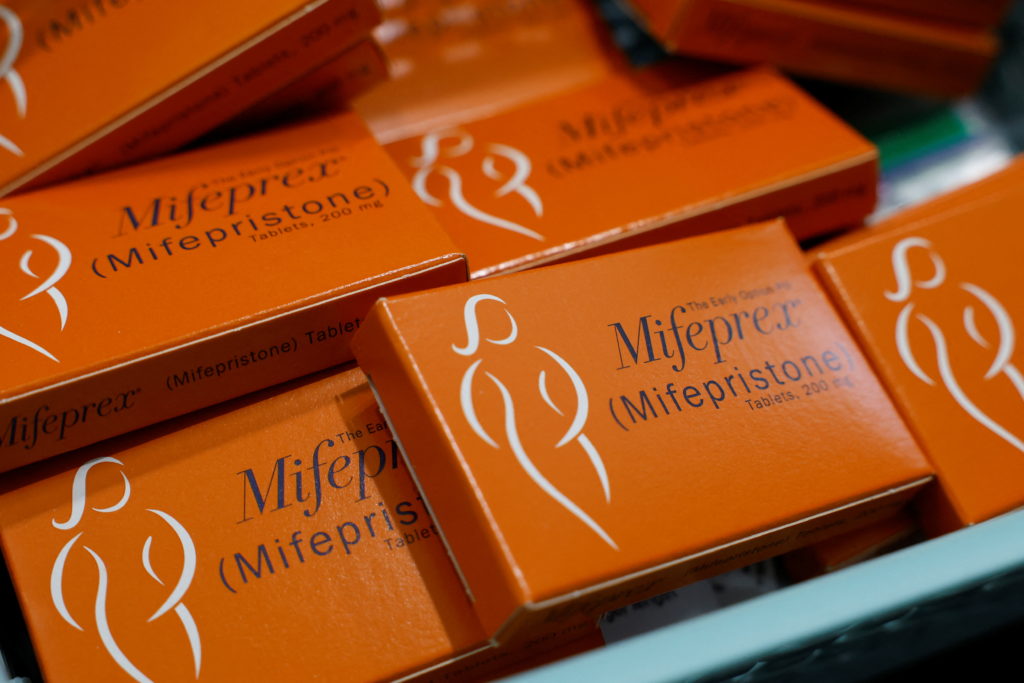
A federal court has blocked the mailing of mifepristone, the most widely used abortion pill in the United States, ordering that the drug be dispensed only in person at clinics. The ruling directly overrides regulations set by the Food and Drug Administration (FDA), which had permitted mifepristone to be prescribed and shipped by mail.
Mifepristone is used in the majority of medication abortions in the U.S. It is typically taken in combination with a second drug, misoprostol, and has been approved by the FDA for over two decades. The FDA had expanded access to the drug in recent years, including allowing it to be sent through the mail, a significant shift that made medication abortion accessible in areas with few or no clinics.
By requiring in-person dispensing only, the ruling effectively rolls back those expanded access rules. Patients in states where abortion is legal but clinics are scarce would face greater difficulty obtaining the drug. The decision also raises a direct conflict between the court's order and standing FDA regulations, which creates uncertainty for pharmacies, prescribers, and patients about what is currently permitted.
The ruling is notable because it represents a federal court overriding the FDA's own scientific and regulatory judgment on a drug it has approved and actively regulates, a relatively rare step with potential implications for how courts engage with federal agency decisions more broadly.
The ruling is expected to be appealed, with the case likely heading to the U.S. Supreme Court. Until the appeals process resolves the matter, enforcement and compliance obligations remain unclear. Access to mifepristone through mail-order or retail pharmacy channels, which became available after the FDA updated its rules, could be disrupted depending on how quickly higher courts act and whether they issue any stay of the ruling while appeals proceed.
The case is being closely watched by healthcare providers, reproductive rights groups, and pharmaceutical interests, as the final outcome could set lasting precedent on both abortion access and the extent to which federal courts can override FDA drug approval and distribution decisions.
India's government plans to amend the Payment and Settlement Systems Act to restore UPI merchant discount rates, ending the zero-MDR regime in place since January 2020.
India's government has introduced the Taxation and Other Laws (Amendment) Bill, 2026, proposing changes to payments regulation, income tax, and the Finance Act to attract FDI and support Make in India. The Bill's final shape will depend on parliamentary debate and committee review.
The government's Taxation and Other Laws (Amendment) Bill, 2026, proposes to replace the blanket UPI MDR ban with a system allowing the Centre to notify which payment modes stay fee-free.
Prime Minister Narendra Modi inaugurated the Rs 5,000 crore Bhogapuram greenfield airport in Andhra Pradesh, built under a public-private partnership model. He also laid foundation stones for infrastructure projects worth nearly Rs 18,000 crore in the state, signalling a broad investment push for the region.