
Qatar Signals Progress in US-Iran War Talks
Qatar's foreign ministry said mediators including Qatar, Pakistan, and Oman have reached "very progressive stages" in efforts to end the US-Iran war, pushing Brent crude down more than four percent.
Key Takeaways
June 7, 2026 · 3 min read · By Rishabh Bhardwaj
·
AI-assisted, human-reviewed · Our editorial standards
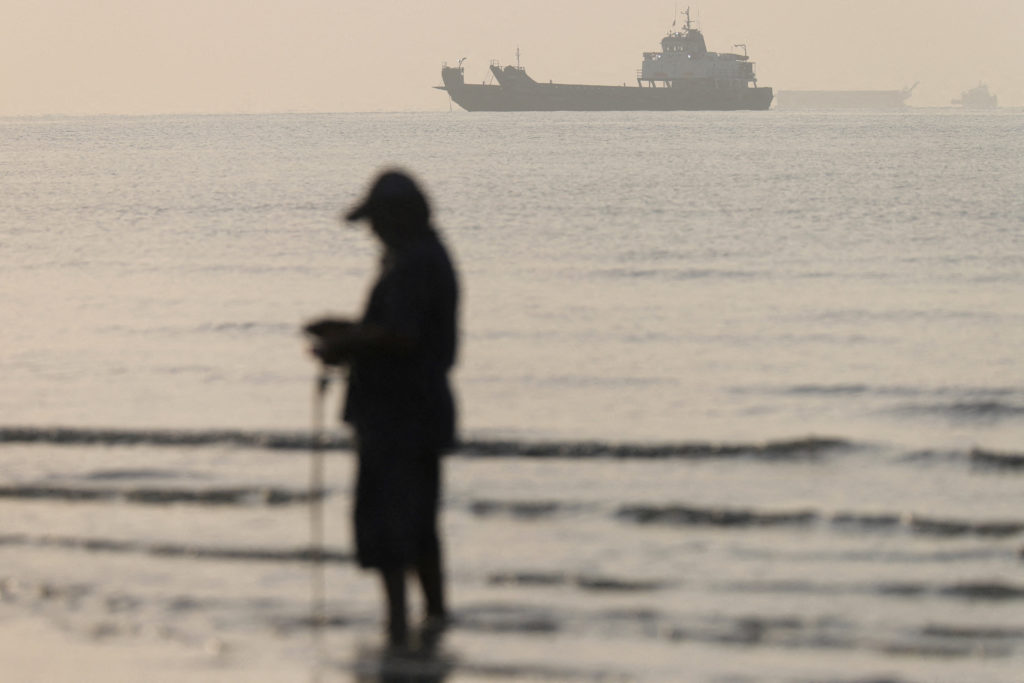
Commercial shipping through the Strait of Hormuz has dropped sharply as U.S.-Iran nuclear talks show little sign of progress, putting global oil supply chains under mounting pressure. Daniel Yergin, vice chairman of S&P Global and a widely cited energy analyst, has outlined what a prolonged closure could mean for energy markets worldwide.
The Strait of Hormuz is the world's single most important oil chokepoint. Roughly 20 percent of all globally traded oil passes through the narrow waterway between Iran and Oman. When traffic through it is severely disrupted, the effects ripple across oil prices, shipping costs, and energy-dependent economies almost immediately.
The current reduction in commercial traffic is not a full blockade, but it is significant enough to tighten supply in ways markets are already pricing in. Tankers that would normally transit the strait are rerouting or holding position, adding days or weeks to delivery times and raising freight costs. That squeeze hits oil importers hardest, particularly countries in Asia that depend heavily on Gulf crude.
A sustained reduction in Hormuz traffic does more than push up crude benchmarks. It strains the broader energy supply chain: liquefied natural gas shipments from Qatar, one of the world's largest LNG exporters, also move through the strait. Any prolonged disruption therefore affects European and Asian gas markets at the same time as oil markets, compounding the pressure on energy importers already managing elevated costs.
Refinery margins and fuel prices at the pump tend to follow crude with a short lag. If oil flows through the strait stay suppressed for weeks rather than days, consumers in import-dependent economies, including India, Japan, South Korea, and parts of Europe, are likely to feel it in fuel and electricity costs. Central banks in those countries would face a harder tradeoff between inflation control and economic growth.
For India specifically, the stakes are high. India sources a substantial share of its crude from the Gulf, and the Hormuz route is central to that supply. A prolonged disruption could widen India's import bill, add pressure to the rupee, and complicate the government's fuel subsidy calculations.
The immediate variable is whether U.S.-Iran negotiations move at all. With talks showing little visible progress, the market is left to price in an extended period of uncertainty rather than a near-term resolution. That uncertainty itself tends to add a risk premium to oil prices, separate from any actual supply loss.
Strategic petroleum reserves held by the United States and the International Energy Agency member countries could be released to cushion the market if conditions worsen. OPEC member states with spare production capacity, particularly Saudi Arabia and the UAE, could also step up output to offset reduced Gulf flows reaching markets. But both mechanisms take time to deploy and have limits.
Shipping insurers and maritime risk analysts will be the earliest signal of how serious the disruption is becoming. When war-risk premiums on tanker insurance spike, it reflects real operational risk judgments, not just market sentiment. Any sustained rise in those premiums would likely translate quickly into higher freight rates and then into energy import costs globally.
Yergin's broader point, as conveyed in his analysis, is that the Hormuz situation is not an isolated geopolitical footnote. It sits at the intersection of nuclear diplomacy, oil market structure, and global supply chain resilience. Until the diplomatic channel shows concrete movement, the energy market is effectively operating with a live risk that has no clear resolution date.
Qatar's foreign ministry said mediators including Qatar, Pakistan, and Oman have reached "very progressive stages" in efforts to end the US-Iran war, pushing Brent crude down more than four percent.
Qatar confirmed it is mediating between the US and Iran but said no direct talks are currently planned. The clarification follows conflicting statements from President Trump, who claimed talks are under way, and Tehran, which denied any dialogue is happening.
Saudi Aramco reported sharply higher second-quarter 2026 profits as the Iran war restricts global oil supply and pushes crude prices up. Other oil supermajors also posted outsized earnings, raising concerns about sustained fuel cost pressure for importing economies.
President Trump called current Iran negotiations the "last chance" to end five months of conflict, pushing oil prices higher. Tehran denied formal talks are taking place, raising the risk of a diplomatic breakdown with direct consequences for global energy markets.