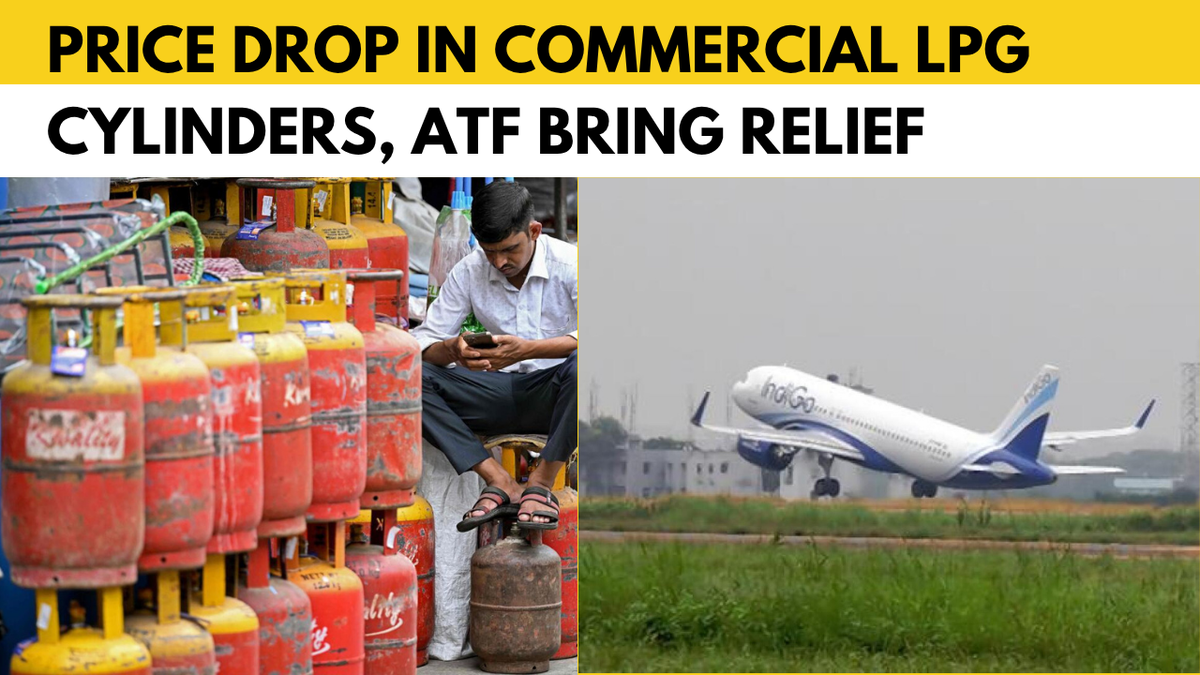
India's public sector oil-marketing companies cut commercial LPG cylinder prices by ₹183.5 on July 1, 2026, marking the first reduction of the year after four consecutive hikes had pushed rates up by ₹1,345 per refill since March 7. The 5 kg free trade LPG cylinder saw a smaller cut of ₹13. The move follows signs that the four-month West Asia conflict is nearing an end, which has improved the outlook for LPG supply chains.
The scale of the earlier hikes puts the relief in context. Between March and June, commercial LPG prices rose in four tranches, a cumulative jump of ₹1,345 per refill. The July 1 cut of ₹183.5 reverses roughly 14 percent of that increase. Prices remain substantially higher than they were before the conflict disrupted regional energy flows.
Why Prices Rose, and Why They Are Falling Now
LPG supply to India relies heavily on imports routed through or sourced from the West Asia region. When the conflict escalated earlier in 2026, freight costs, insurance premiums, and supply availability all tightened, forcing state-run oil-marketing companies to pass higher input costs downstream through a series of price hikes. Commercial LPG, used in hotels, restaurants, and small food businesses, is not subsidised the way domestic cooking cylinders are, so its pricing moves more directly with market conditions.
As the conflict shows signs of easing, supply chains are beginning to normalise. That shift in the wholesale and freight environment is what allowed the OMCs to cut prices on July 1, even if only partially.
Who Feels This Most Directly
Commercial LPG cylinders are the fuel of choice for restaurants, dhabas, caterers, and institutional kitchens across India. When those prices rose sharply through the March to June period, food-service businesses absorbed the hit directly, either through margin compression or by raising menu prices. A ₹183.5 reduction per cylinder gives some relief, though the net cost burden compared with early 2026 levels remains significant.
The 5 kg free trade LPG cylinder, which is commonly used by small street vendors and in certain semi-commercial settings, also gets a ₹13 reduction. While smaller in absolute terms, that cut matters to low-margin micro-enterprises where fuel costs are a meaningful share of daily operating expenses.
Domestic LPG cylinders used in household kitchens were not mentioned in the price revision, which means the immediate benefit is concentrated in the commercial and food-service segment rather than household consumers.
The timing of the cut on the first day of July also has a practical dimension. OMCs typically revise fuel prices at the start of each month, aligning with changes in global crude, freight, and feedstock benchmarks. The July 1 revision reflects the most recent shift in those inputs, shaped in this case by the easing of West Asia tensions rather than a broad drop in global energy prices.
What to watch going forward is whether the geopolitical improvement holds and translates into further price reductions in August. If the conflict fully de-escalates and shipping routes through the region fully normalise, the remaining ₹1,160-odd per refill added since March could gradually be unwound. Conversely, any resumption of hostilities or fresh disruption to Gulf shipping lanes would likely halt or reverse the downward trend. For food businesses and the wider hospitality sector, the direction of the next monthly revision will be a clearer signal of whether costs are genuinely on their way back down.