India to Restore UPI Merchant Fees, PhonePe Gains Most
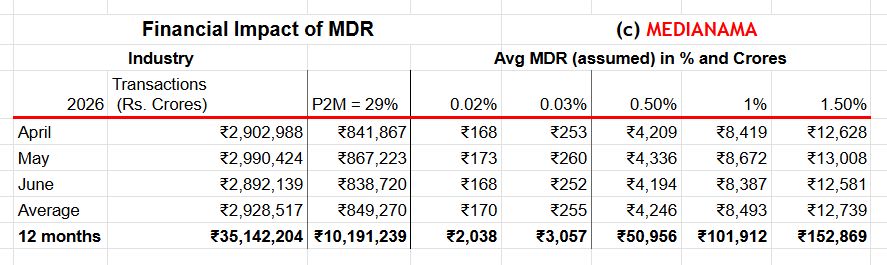
India's government plans to amend the Payment and Settlement Systems Act to restore UPI merchant discount rates, ending the zero-MDR regime in place since January 2020.
Key Takeaways
May 9, 2026 · 2 min read · By Rishabh Bhardwaj
·
AI-assisted, human-reviewed · Our editorial standards
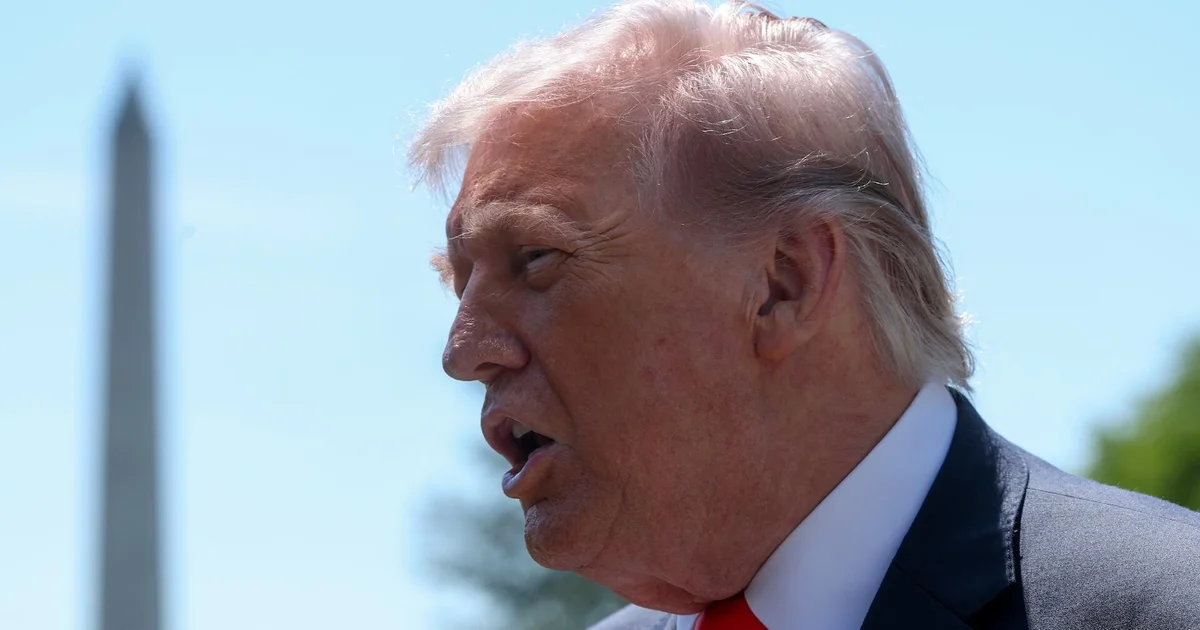
A U.S. trade court has ruled against President Trump's 10% baseline tariffs, dealing a fresh legal blow to the administration's broad use of trade powers to impose sweeping import duties.
The ruling follows a pattern of judicial pushback on tariff policy. The Supreme Court had previously struck down Trump's earlier "Liberation Day" tariffs, a wide-ranging set of levies announced with the stated aim of resetting U.S. trade relationships. The 10% tariffs now blocked were put in place in February, shortly after that Supreme Court decision, suggesting the administration moved quickly to restore a baseline import duty through a different legal mechanism.
U.S. tariffs imposed by the executive branch typically rely on specific statutory authority, laws passed by Congress that delegate trade powers to the president under defined conditions. Courts have been testing whether the administration's justifications fit within those boundaries. When the legal basis is found too thin or the scope too broad, judges have struck the measures down. The trade court's latest ruling appears to follow that same line of reasoning, though the specific statutory grounds cited in the ruling are not detailed in available reporting.
The 10% tariff applied broadly to imports, making it a significant cost factor for American businesses that rely on foreign goods, from manufacturers sourcing components to retailers importing finished products. A blanket baseline duty of that size adds directly to input costs, which companies either absorb into margins or pass on to buyers.
The administration is likely to appeal, as it has done following earlier adverse rulings. If the tariff remains blocked pending appeal, importers get temporary relief from the added cost. If reinstated, the duty snaps back into effect. The legal question, how far presidential trade authority extends without explicit congressional approval, is still unsettled and will likely reach higher courts again.
For markets and businesses, the uncertainty itself is the problem. Companies cannot reliably price imports or plan supply chains when tariff status can shift with each court decision. Sectors with thin margins and heavy import dependence, such as electronics assembly and apparel, are most exposed to this back-and-forth.
India's government plans to amend the Payment and Settlement Systems Act to restore UPI merchant discount rates, ending the zero-MDR regime in place since January 2020.
India's government has introduced the Taxation and Other Laws (Amendment) Bill, 2026, proposing changes to payments regulation, income tax, and the Finance Act to attract FDI and support Make in India. The Bill's final shape will depend on parliamentary debate and committee review.
The government's Taxation and Other Laws (Amendment) Bill, 2026, proposes to replace the blanket UPI MDR ban with a system allowing the Centre to notify which payment modes stay fee-free.
Prime Minister Narendra Modi inaugurated the Rs 5,000 crore Bhogapuram greenfield airport in Andhra Pradesh, built under a public-private partnership model. He also laid foundation stones for infrastructure projects worth nearly Rs 18,000 crore in the state, signalling a broad investment push for the region.