India to Restore UPI Merchant Fees, PhonePe Gains Most
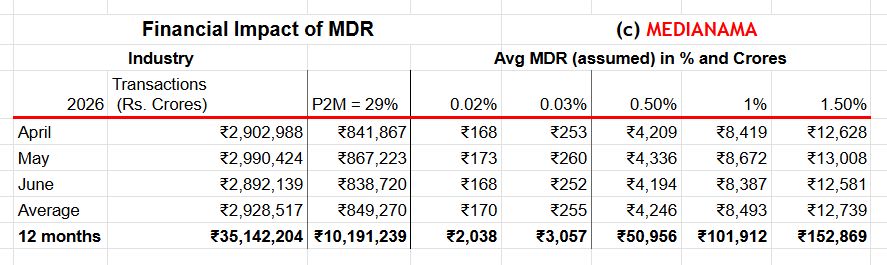
India's government plans to amend the Payment and Settlement Systems Act to restore UPI merchant discount rates, ending the zero-MDR regime in place since January 2020.
Key Takeaways
May 8, 2026 · 3 min read · By Rishabh Bhardwaj
·
AI-assisted, human-reviewed · Our editorial standards
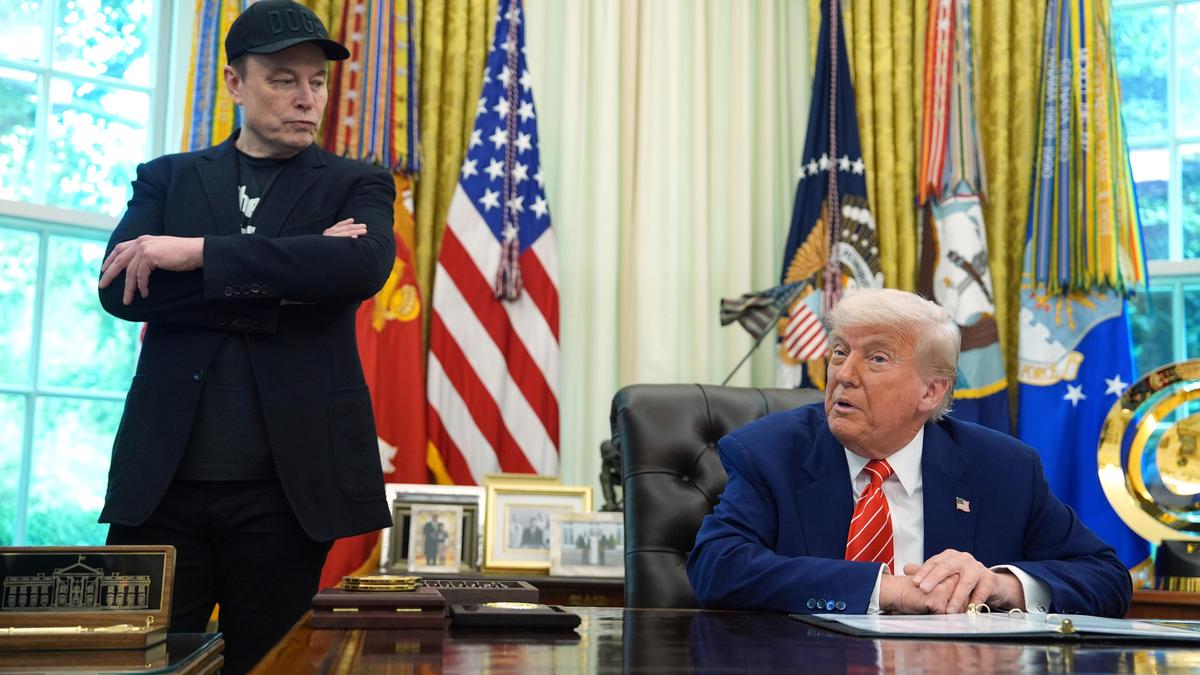
A U.S. trade court has ruled that President Trump lacks the legal authority to impose a blanket 10% tariff on imports from most countries, dealing a significant legal blow to one of his administration's central trade tools. The U.S. Court of International Trade issued the ruling, but its practical effect is narrow for now: relief applies only to the two plaintiffs in the case, a small company in the U.S. and one in Washington State.
For the vast majority of importers, the 10% tariff stays in place. The court has not issued a sweeping injunction that would suspend the tariff economy-wide, meaning businesses outside the lawsuit must continue paying the levy while legal challenges work through the system.
The ruling challenges the legal basis Trump used to impose the tariffs, most likely the International Emergency Economic Powers Act, or IEEPA, a law that gives presidents broad authority to regulate commerce during a declared national emergency. Critics have argued that using IEEPA to set tariffs goes beyond what Congress intended when it passed the law. The court appears to have agreed, at least in this instance, finding that the administration overstepped its statutory authority.
This is a meaningful legal precedent, but not yet a market-moving one. The administration is widely expected to appeal, which would suspend or complicate enforcement of even this limited ruling. Until a higher court, potentially the Court of Appeals for the Federal Circuit or ultimately the Supreme Court, weighs in, the tariff architecture remains largely intact.
The ruling opens a credible legal path for other importers to challenge the tariffs directly. If more companies file suit and courts extend similar reasoning, the 10% baseline tariff could face broader legal erosion. That uncertainty alone is worth watching for sectors heavily exposed to import costs, retail, electronics, manufacturing inputs, and consumer goods among them.
For now, compliance obligations have not changed for anyone outside the two plaintiff companies. Importers should not adjust their tariff payments based on this ruling unless they are parties to the case or receive explicit guidance from counsel.
The bigger question is speed. Trade litigation moves slowly, and the administration has strong incentives to appeal aggressively and seek a stay. Markets reacted to Trump's initial tariff announcements with sharp volatility; a full judicial unwinding of the tariff regime, if it ever came, would likely trigger a significant repricing across import-heavy supply chains. That outcome remains distant and contingent on several more rounds of litigation.
Watch for the administration's formal response and whether it seeks an emergency stay. That will determine how quickly, if at all, this ruling has any practical effect beyond the two companies that brought the case.
India's government plans to amend the Payment and Settlement Systems Act to restore UPI merchant discount rates, ending the zero-MDR regime in place since January 2020.
India's government has introduced the Taxation and Other Laws (Amendment) Bill, 2026, proposing changes to payments regulation, income tax, and the Finance Act to attract FDI and support Make in India. The Bill's final shape will depend on parliamentary debate and committee review.
The government's Taxation and Other Laws (Amendment) Bill, 2026, proposes to replace the blanket UPI MDR ban with a system allowing the Centre to notify which payment modes stay fee-free.
Prime Minister Narendra Modi inaugurated the Rs 5,000 crore Bhogapuram greenfield airport in Andhra Pradesh, built under a public-private partnership model. He also laid foundation stones for infrastructure projects worth nearly Rs 18,000 crore in the state, signalling a broad investment push for the region.