India to Restore UPI Merchant Fees, PhonePe Gains Most
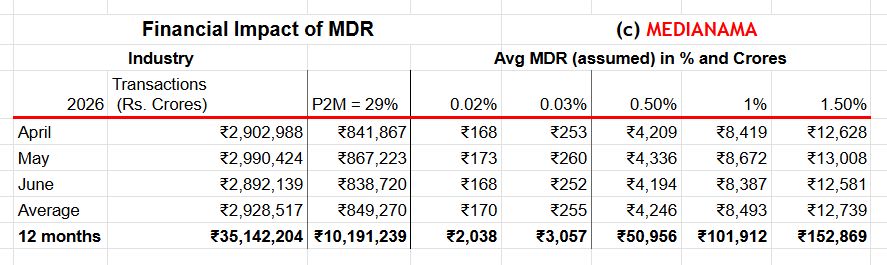
India's government plans to amend the Payment and Settlement Systems Act to restore UPI merchant discount rates, ending the zero-MDR regime in place since January 2020.
Key Takeaways
June 24, 2026 · 3 min read · By Rishabh Bhardwaj
·
AI-assisted, human-reviewed · Our editorial standards
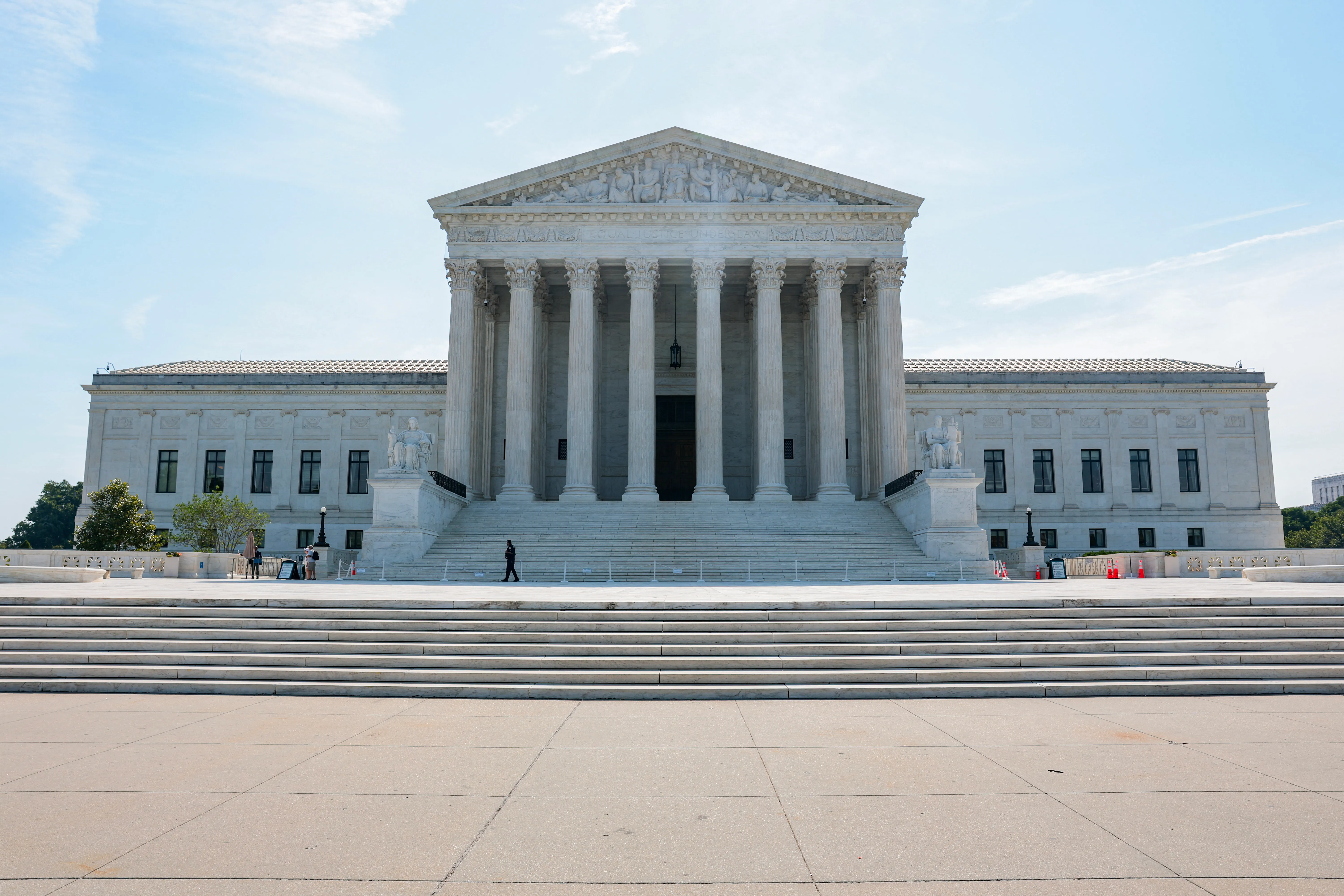
The US Supreme Court has ruled 6-3 that immigration authorities can place green card holders on parole at border crossings based on suspicion alone, backing a Trump administration policy that significantly narrows the entry rights of lawful permanent residents.
The decision hands federal immigration officials broad discretion to detain or restrict green card holders at ports of entry without first establishing firm evidence of a violation. Parole in this context means the government can allow a person to physically enter the country while their admissibility is formally reviewed, effectively treating them as if they had not yet been admitted even though they hold a green card.
Before this ruling, green card holders, formally known as lawful permanent residents, generally held strong legal protections at the border. Courts had consistently recognized that their status entitled them to greater procedural safeguards than a first-time visa applicant. This decision shifts that balance. A six-justice majority found that suspicion alone is a sufficient legal basis for border officials to place a returning permanent resident on immigration parole rather than waving them through as a resident entitled to entry.
The three dissenting justices opposed that standard, reflecting a deep split over how much constitutional protection attaches to green card status at the border. The dissent's concern centers on the practical reality that millions of lawful permanent residents travel internationally for work, family, and personal reasons, and now face a materially lower legal threshold for being stopped and held at the border.
The Trump administration argued that parole authority gives border officials the flexibility needed to investigate potential violations without being forced to either admit or formally deport someone on the spot. The court's majority accepted that framework.
The immediate impact falls on the roughly 13 million lawful permanent residents in the United States who travel abroad and return through official ports of entry. Any of them can now be placed on parole based on an officer's stated suspicion, triggering a review process that can be lengthy and disruptive. Employment, family stability, and access to benefits tied to residency status can all be affected while a parole review is pending.
Immigration lawyers are likely to see increased demand from green card holders seeking guidance before international travel. The practical advice in many cases will be to consult legal counsel before leaving the country, particularly for people with any prior immigration complications, past criminal matters, or connections to countries currently under heightened US scrutiny.
The ruling also has a broader signaling effect. It confirms that the current Supreme Court is willing to grant the executive branch wide latitude on immigration enforcement at the border, even when it affects people with established legal status. That posture aligns with several other rulings that have expanded federal discretion over immigration decisions in recent years.
Congress retains the power to legislate clearer protections for lawful permanent residents at ports of entry, but no such legislative effort is currently advancing. For now, the ruling stands as the operative legal standard, and immigration officials can apply it immediately at all US border crossings and international airports.
Green card holders returning to the US should be aware that carrying documentation of their ties to the country, employment, and residence may help during any secondary screening, though it does not legally override the parole authority the court has now confirmed.
India's government plans to amend the Payment and Settlement Systems Act to restore UPI merchant discount rates, ending the zero-MDR regime in place since January 2020.
India's government has introduced the Taxation and Other Laws (Amendment) Bill, 2026, proposing changes to payments regulation, income tax, and the Finance Act to attract FDI and support Make in India. The Bill's final shape will depend on parliamentary debate and committee review.
The government's Taxation and Other Laws (Amendment) Bill, 2026, proposes to replace the blanket UPI MDR ban with a system allowing the Centre to notify which payment modes stay fee-free.
Prime Minister Narendra Modi inaugurated the Rs 5,000 crore Bhogapuram greenfield airport in Andhra Pradesh, built under a public-private partnership model. He also laid foundation stones for infrastructure projects worth nearly Rs 18,000 crore in the state, signalling a broad investment push for the region.