
Qatar Signals Progress in US-Iran War Talks
Qatar's foreign ministry said mediators including Qatar, Pakistan, and Oman have reached "very progressive stages" in efforts to end the US-Iran war, pushing Brent crude down more than four percent.
Key Takeaways
May 8, 2026 · 2 min read · By Rishabh Bhardwaj
·
AI-assisted, human-reviewed · Our editorial standards
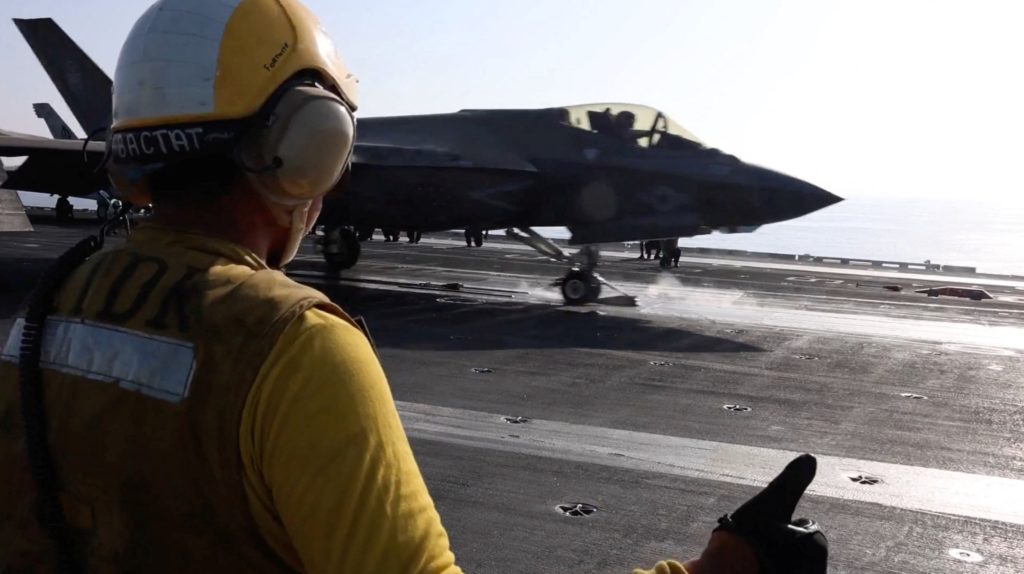
U.S. fighter jets struck Iranian vessels in the Strait of Hormuz on Friday, escalating pressure on Tehran even as American and Iranian officials are reported to be in early diplomatic contact over a possible deal to end the conflict.
The strikes were part of an ongoing U.S. naval blockade of the strait, one of the world's most important shipping corridors. Roughly 20% of global oil trade moves through the Strait of Hormuz, so any sustained military activity there carries direct consequences for energy prices and supply chains worldwide.
The timing is notable. The attacks come while Secretary of State Marco Rubio was in Rome, where he pressed European governments to take a more active role in reopening the strait. Rubio's appeal to Europe suggests Washington is looking to broaden the coalition applying pressure on Iran, rather than act alone.
The simultaneous use of force and diplomatic outreach reflects a calculated pressure strategy: strike Iranian assets while keeping a negotiating channel open. This dual-track approach is intended to raise Iran's cost of continued confrontation, but it also risks hardening Tehran's position and complicating any talks.
The core tension is whether Iran will treat the strikes as a reason to negotiate or a reason to escalate. Any Iranian counter-move in or around the strait could further disrupt tanker traffic and push oil markets higher.
The immediate questions are whether Iran responds militarily, and whether the Rome consultations produce any coordinated European stance. European backing would give Washington more leverage but also more diplomatic obligations. If talks stall or collapse, sustained blockade operations and retaliatory risk would likely keep energy markets on edge. The gap between what the U.S. is doing militarily and what it is offering diplomatically will define how quickly, or whether, this situation moves toward a resolution.
Qatar's foreign ministry said mediators including Qatar, Pakistan, and Oman have reached "very progressive stages" in efforts to end the US-Iran war, pushing Brent crude down more than four percent.
Qatar confirmed it is mediating between the US and Iran but said no direct talks are currently planned. The clarification follows conflicting statements from President Trump, who claimed talks are under way, and Tehran, which denied any dialogue is happening.
Saudi Aramco reported sharply higher second-quarter 2026 profits as the Iran war restricts global oil supply and pushes crude prices up. Other oil supermajors also posted outsized earnings, raising concerns about sustained fuel cost pressure for importing economies.
President Trump called current Iran negotiations the "last chance" to end five months of conflict, pushing oil prices higher. Tehran denied formal talks are taking place, raising the risk of a diplomatic breakdown with direct consequences for global energy markets.