
Qatar Signals Progress in US-Iran War Talks
Qatar's foreign ministry said mediators including Qatar, Pakistan, and Oman have reached "very progressive stages" in efforts to end the US-Iran war, pushing Brent crude down more than four percent.
Key Takeaways
May 8, 2026 · 2 min read · By Rishabh Bhardwaj
·
AI-assisted, human-reviewed · Our editorial standards
The United States has struck Iranian targets, and Iran says it returned fire, marking a sharp military escalation between the two countries. The exchange is the latest development in a rapidly shifting week of signals and counter-signals across the Middle East.
Details of the specific targets, weapons used, and scale of damage are not confirmed in available reporting. What is clear is that both sides have now exchanged direct fire, a threshold that carries significant weight given the long history of proxy confrontation between Washington and Tehran.
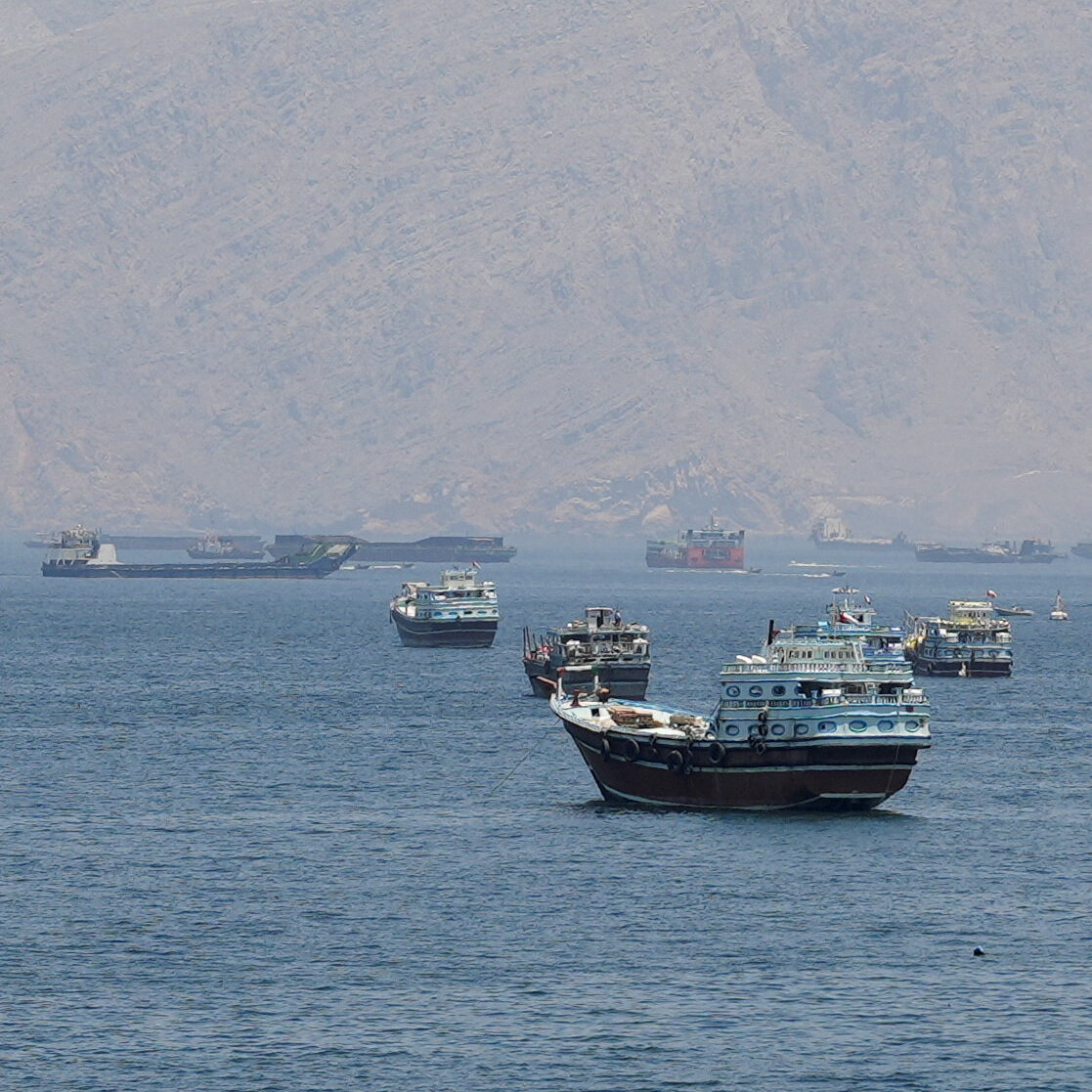
The backdrop is the Strait of Hormuz, the narrow waterway through which roughly one-fifth of the world's traded oil passes. Tensions over the strait have been a running thread through this week's events. Any disruption to shipping there, whether from naval action, mining, or closure threats, would send immediate shockwaves through global energy markets.
President Trump is described as looking for an off-ramp from a war he started, which signals that the administration may not want full-scale escalation. But direct military exchanges between the U.S. and Iran are inherently difficult to control, and the risk of miscalculation rises with each round of fire.
For markets, the immediate concern is oil. Brent crude is acutely sensitive to Hormuz risk. A sustained or worsening confrontation could tighten global supply quickly, pushing energy prices higher and adding inflationary pressure at a moment when central banks in the U.S. and elsewhere are already navigating a difficult rate environment.
Beyond energy, the broader Gulf region is a node for global shipping, finance, and U.S. military logistics. Prolonged instability affects insurance premiums on tankers, rerouting costs for cargo, and the operational posture of U.S. assets in the region.
The mixed signals through the week suggest back-channel diplomacy may be running alongside the military activity. Whether that produces a pause or a further exchange is the central question to watch. Any ceasefire signal, talks framework, or public statement from either government would be the clearest early indicator of which direction this moves.
Qatar's foreign ministry said mediators including Qatar, Pakistan, and Oman have reached "very progressive stages" in efforts to end the US-Iran war, pushing Brent crude down more than four percent.
Qatar confirmed it is mediating between the US and Iran but said no direct talks are currently planned. The clarification follows conflicting statements from President Trump, who claimed talks are under way, and Tehran, which denied any dialogue is happening.
Saudi Aramco reported sharply higher second-quarter 2026 profits as the Iran war restricts global oil supply and pushes crude prices up. Other oil supermajors also posted outsized earnings, raising concerns about sustained fuel cost pressure for importing economies.
President Trump called current Iran negotiations the "last chance" to end five months of conflict, pushing oil prices higher. Tehran denied formal talks are taking place, raising the risk of a diplomatic breakdown with direct consequences for global energy markets.