
Qatar Signals Progress in US-Iran War Talks
Qatar's foreign ministry said mediators including Qatar, Pakistan, and Oman have reached "very progressive stages" in efforts to end the US-Iran war, pushing Brent crude down more than four percent.
Key Takeaways
June 27, 2026 · 3 min read · By Rishabh Bhardwaj
·
AI-assisted, human-reviewed · Our editorial standards
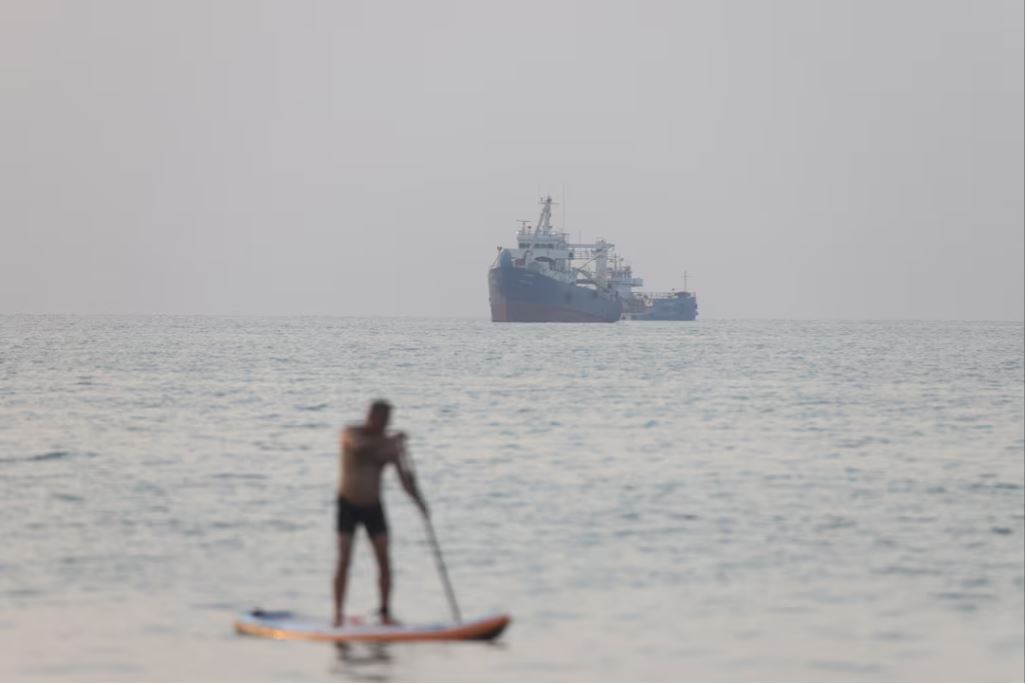
The United States carried out military strikes against Iran after an attack on a cargo ship in the Strait of Hormuz, triggering a direct exchange of fire between the two countries in one of the world's most critical shipping corridors.
Iran confirmed that a projectile struck the area around a pier in Sirik, a port town in the country's southern coastal region. Iranian naval forces said they responded by hitting US military targets in the area, though Tehran did not specify what was struck or whether there were casualties.
The Strait of Hormuz sits at the mouth of the Persian Gulf and handles roughly a fifth of all oil traded globally. Any sustained military activity in or around the strait raises the risk of supply disruptions that ripple almost instantly into energy markets and global shipping costs.
The sequence matters here. An attack on a cargo ship in the strait appears to have been the triggering event for the US strike on Sirik. Iran then responded militarily, framing its action as a counter to US aggression. Both sides are now in a position where the next move by either party carries significant escalation risk.
Sirik is a small port on the northern coast of the Strait of Hormuz, close to where commercial shipping lanes pass through the narrowest point of the waterway. A strike in that area, whether it damaged port infrastructure or naval assets, sends a direct signal about each side's willingness to contest control of that passage.
Iran has long maintained that it can close or threaten the strait in response to military pressure. The US, meanwhile, maintains a significant naval presence in the Persian Gulf specifically to keep the corridor open for international shipping. This exchange puts both postures to a live test.
The immediate concern for markets is oil. Brent crude prices are highly sensitive to any credible threat to Hormuz transit. Insurers and shipowners will be weighing whether to reroute vessels, which adds days and cost to voyages. A sustained standoff, even without further strikes, could push shipping risk premiums sharply higher.
For policy, the exchange marks a significant escalation from proxy-level conflict to direct military strikes between the US and Iran. That threshold, once crossed, changes the calculation for other actors in the region, including Gulf states hosting US bases, as well as European governments that have been managing separate diplomatic channels with Tehran.
The cargo ship attacked in the strait has not been publicly identified in available reports, and it is not yet clear what flag it was sailing under, who owned it, or the nature of its cargo. Those details, when they emerge, will shape how broadly this incident is treated as an act of war against international shipping versus a targeted provocation.
What to watch next: whether either side issues formal statements defining conditions for de-escalation, whether the US Navy moves additional assets into the Gulf, and how oil futures markets open in response. Any further exchange of fire, or confirmation of damage to US military infrastructure, would mark a significant new phase in the confrontation.
Qatar's foreign ministry said mediators including Qatar, Pakistan, and Oman have reached "very progressive stages" in efforts to end the US-Iran war, pushing Brent crude down more than four percent.
Qatar confirmed it is mediating between the US and Iran but said no direct talks are currently planned. The clarification follows conflicting statements from President Trump, who claimed talks are under way, and Tehran, which denied any dialogue is happening.
Saudi Aramco reported sharply higher second-quarter 2026 profits as the Iran war restricts global oil supply and pushes crude prices up. Other oil supermajors also posted outsized earnings, raising concerns about sustained fuel cost pressure for importing economies.
President Trump called current Iran negotiations the "last chance" to end five months of conflict, pushing oil prices higher. Tehran denied formal talks are taking place, raising the risk of a diplomatic breakdown with direct consequences for global energy markets.