
Qatar Signals Progress in US-Iran War Talks
Qatar's foreign ministry said mediators including Qatar, Pakistan, and Oman have reached "very progressive stages" in efforts to end the US-Iran war, pushing Brent crude down more than four percent.
Key Takeaways
June 27, 2026 · 3 min read · By Rishabh Bhardwaj
·
AI-assisted, human-reviewed · Our editorial standards
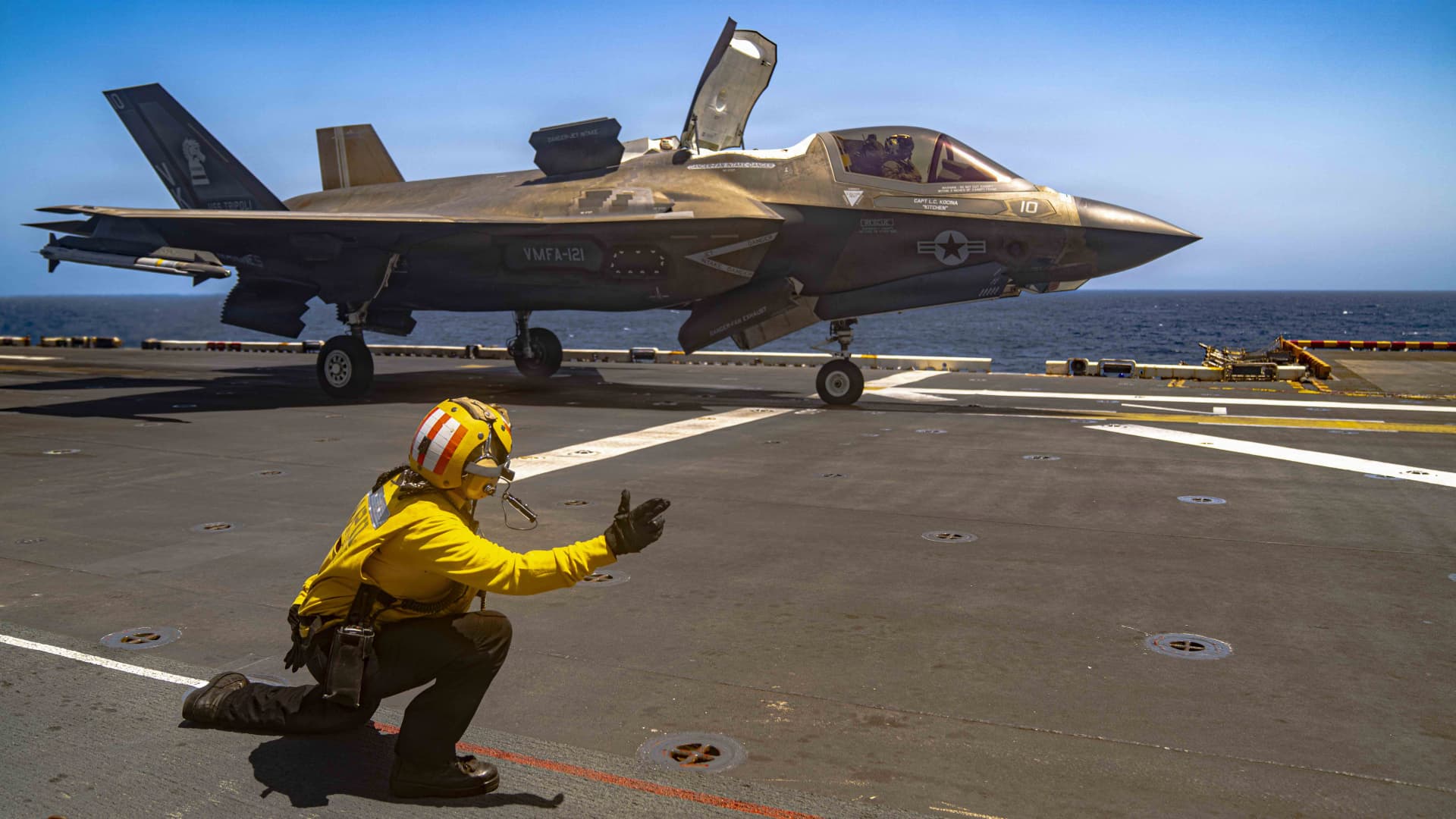
The United States has struck Iran after President Donald Trump accused Tehran of violating the terms of a ceasefire in the Strait of Hormuz, the narrow waterway through which roughly a fifth of the world's oil supply passes.
The strike comes during what was meant to be a 60-day period of no hostilities, agreed upon as a framework for ongoing diplomatic talks aimed at ending the conflict between the two countries. The attack marks a sharp and potentially decisive rupture in that fragile arrangement.
The no-hostilities period was not a formal peace deal. It was a holding pattern, designed to keep both sides from escalating while negotiators worked toward a broader settlement. Ceasefires of this kind depend entirely on both parties observing the terms, which makes any perceived violation politically explosive and militarily consequential.
Trump's decision to respond with strikes rather than a diplomatic protest signals that Washington judged the Iranian action serious enough to warrant a military answer, even at the cost of the talks. The specific nature of the alleged ceasefire violation, and what Iran is accused of doing in or around the Strait of Hormuz, has not been detailed in the available information.
The Strait of Hormuz sits between Iran and the Arabian Peninsula and is the only sea route out of the Persian Gulf. Saudi Arabia, the UAE, Kuwait, Iraq, and Qatar all export oil through it. Any sustained disruption, whether from naval confrontation, mining, or missile activity, would affect global energy supply almost immediately.
Oil markets are acutely sensitive to Hormuz tension. Even the threat of a blockade or sustained military activity in the strait tends to push crude prices higher, which in turn raises fuel costs, transport costs, and broader inflation pressure worldwide. For India, which imports a large share of its crude from Gulf producers and routes much of it through the Arabian Sea, any escalation in the strait carries direct economic exposure.
The timing is significant. The U.S. and Iran had been in active talks, and the existence of a negotiated pause suggested at least a baseline of communication between the two sides. A U.S. military strike during that window collapses that baseline and raises the question of whether talks can resume at all.
Iran's likely response is the central unknown. Tehran has several options short of direct military retaliation, including activating proxy forces in the region, threatening to close the strait formally, or escalating pressure on U.S. assets elsewhere in the Middle East. Each of those paths carries its own risk of further escalation.
For energy markets, the immediate concern is whether this exchange remains contained or expands into sustained conflict near the strait. A brief, bounded exchange may be absorbed without a lasting price shock. A wider conflict would be a different calculation entirely. Traders will be watching for any sign that Iranian naval or missile forces are repositioning near the waterway.
Diplomatically, the episode tests the credibility of any future ceasefire framework. If the current 60-day window has effectively collapsed, getting both sides back to a negotiating table will require significant effort from third-party mediators, and the terms would need to account for what just happened and why.
Details on the scale of the U.S. strike, the specific targets, and Iran's official response are not yet confirmed in available reporting. Those facts will shape how markets and governments assess the next steps.
Qatar's foreign ministry said mediators including Qatar, Pakistan, and Oman have reached "very progressive stages" in efforts to end the US-Iran war, pushing Brent crude down more than four percent.
Qatar confirmed it is mediating between the US and Iran but said no direct talks are currently planned. The clarification follows conflicting statements from President Trump, who claimed talks are under way, and Tehran, which denied any dialogue is happening.
Saudi Aramco reported sharply higher second-quarter 2026 profits as the Iran war restricts global oil supply and pushes crude prices up. Other oil supermajors also posted outsized earnings, raising concerns about sustained fuel cost pressure for importing economies.
President Trump called current Iran negotiations the "last chance" to end five months of conflict, pushing oil prices higher. Tehran denied formal talks are taking place, raising the risk of a diplomatic breakdown with direct consequences for global energy markets.