
Qatar Signals Progress in US-Iran War Talks
Qatar's foreign ministry said mediators including Qatar, Pakistan, and Oman have reached "very progressive stages" in efforts to end the US-Iran war, pushing Brent crude down more than four percent.
Key Takeaways
May 4, 2026 · 2 min read · By Rishabh Bhardwaj
·
AI-assisted, human-reviewed · Our editorial standards
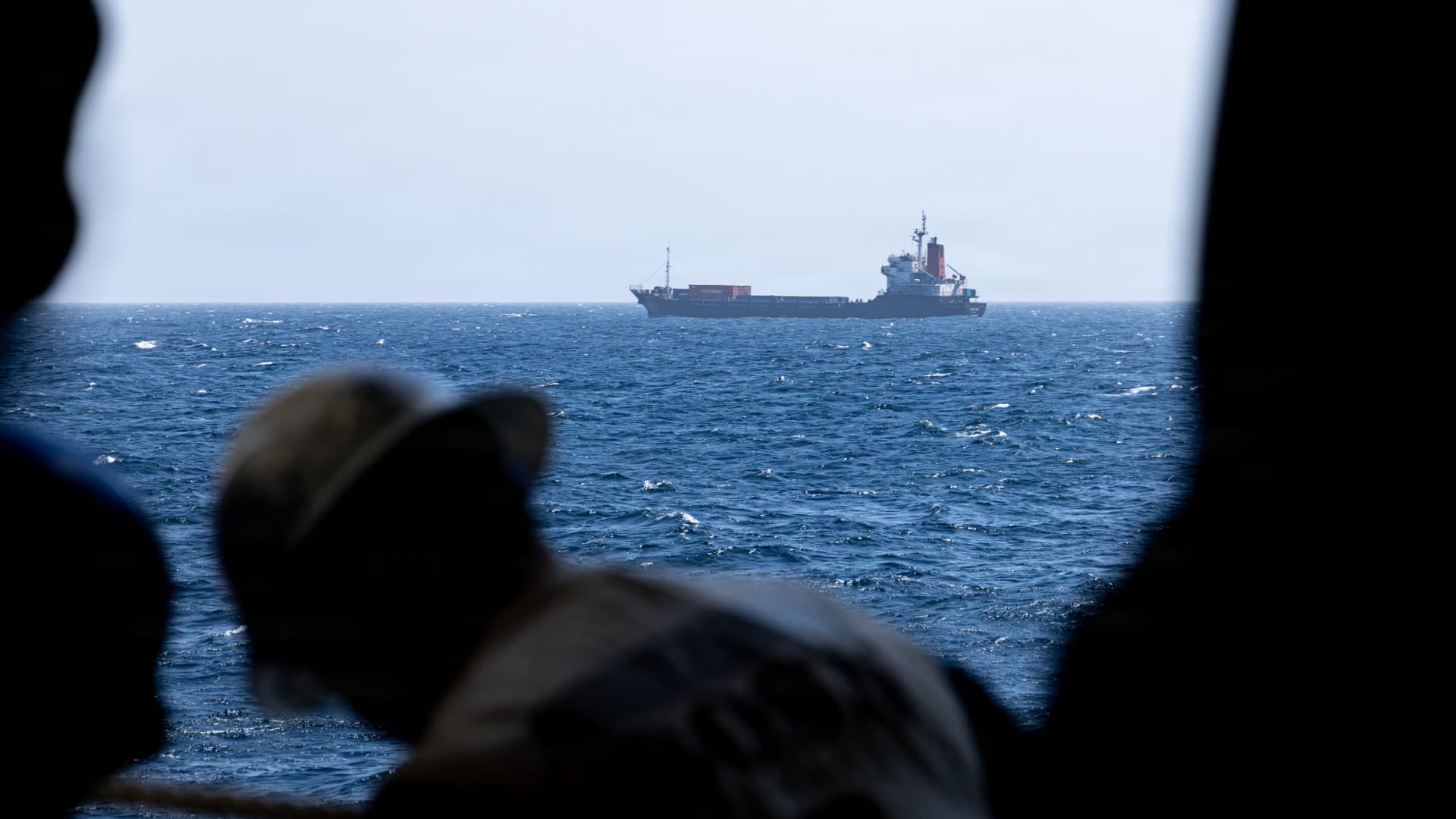
Iran has blocked tanker traffic through the Strait of Hormuz since late February, when the U.S. and Israel began military operations, causing disruptions to global oil supply and pushing prices higher. Separately, Iran claimed it struck a U.S. warship in the strait, a claim the U.S. military has denied.
The Strait of Hormuz is the world's most important oil chokepoint. Roughly 20% of global oil supply and a significant share of liquefied natural gas passes through this narrow waterway between Iran and Oman. Any sustained blockade directly tightens global energy supply, with immediate effects on crude oil prices and shipping costs.
Iran's move to block tanker traffic since late February has already created supply and price shocks, according to the source. The longer the closure holds, the more pressure builds on oil-importing economies, including India, which relies heavily on Gulf energy flows.
Iran's assertion that it struck a U.S. warship in the strait marks a significant escalation in rhetoric, even if the U.S. military flatly denies it. In active conflict zones, disputed claims like this can move energy markets quickly, as traders price in the risk of a broader confrontation that could further restrict passage through the strait.
The U.S. denial means the full picture remains unclear. What is established is that the strait is already disrupted, and any confirmed military exchange there would almost certainly intensify the supply shock already underway.
For India, the stakes are direct. India imports a large share of its crude oil from the Persian Gulf, and Hormuz is the exit route for most of that supply. A prolonged closure or military escalation raises the cost of every barrel that has to be rerouted around Africa or sourced from further afield.
Watch for: any independent confirmation of the warship incident, changes in oil futures pricing, and whether major tanker operators reroute vessels away from the strait in coming days.
Qatar's foreign ministry said mediators including Qatar, Pakistan, and Oman have reached "very progressive stages" in efforts to end the US-Iran war, pushing Brent crude down more than four percent.
Qatar confirmed it is mediating between the US and Iran but said no direct talks are currently planned. The clarification follows conflicting statements from President Trump, who claimed talks are under way, and Tehran, which denied any dialogue is happening.
Saudi Aramco reported sharply higher second-quarter 2026 profits as the Iran war restricts global oil supply and pushes crude prices up. Other oil supermajors also posted outsized earnings, raising concerns about sustained fuel cost pressure for importing economies.
President Trump called current Iran negotiations the "last chance" to end five months of conflict, pushing oil prices higher. Tehran denied formal talks are taking place, raising the risk of a diplomatic breakdown with direct consequences for global energy markets.