
Qatar Signals Progress in US-Iran War Talks
Qatar's foreign ministry said mediators including Qatar, Pakistan, and Oman have reached "very progressive stages" in efforts to end the US-Iran war, pushing Brent crude down more than four percent.
Key Takeaways
May 12, 2026 · 3 min read · By Rishabh Bhardwaj
·
AI-assisted, human-reviewed · Our editorial standards
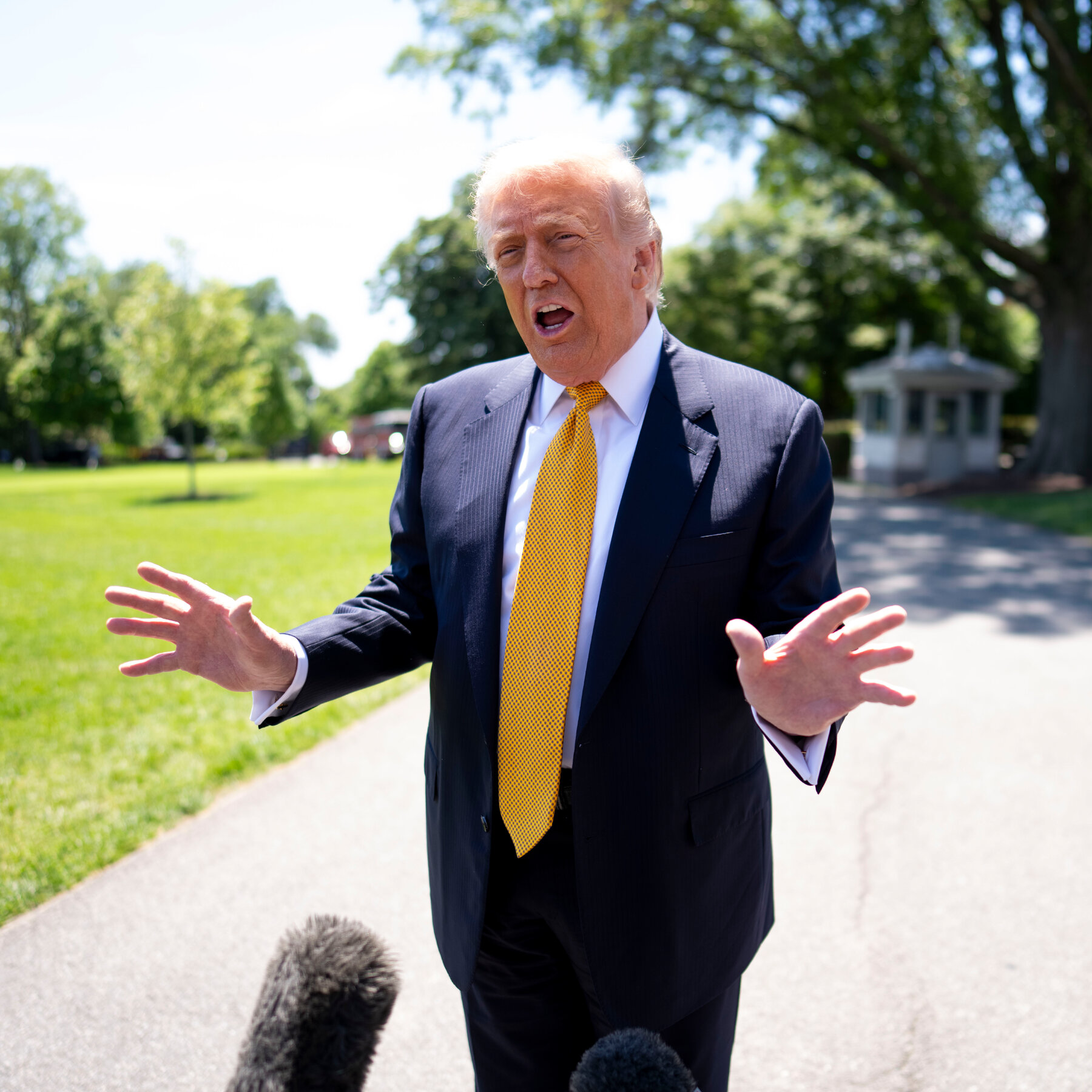
The United States has warned it may restart military strikes on Iran, with President Donald Trump and Defense Secretary Pete Hegseth both signaling that diplomatic patience is running thin. The warning comes as nuclear negotiations have stalled, with each side holding positions the other publicly calls unacceptable.
At the center of the standoff is Iran's blockade of the Strait of Hormuz, one of the world's most critical oil shipping corridors. Roughly 20 percent of global oil supply passes through the strait, meaning any prolonged closure translates directly into higher energy costs, tighter fuel supplies, and broader inflation pressure across importing economies, including India, Europe, and East Asia.
The economic damage from the blockade is already accumulating. Shipping insurers have raised war-risk premiums sharply for vessels transiting the Persian Gulf region, pushing up freight costs for oil, liquefied natural gas, and a range of commodities. Energy markets have been pricing in the supply disruption, and any escalation toward renewed U.S. strikes would likely send crude prices sharply higher in the near term.
Negotiations appear to be caught in a familiar deadlock. Iran is holding to terms Washington considers a non-starter, and Washington is holding to demands Tehran has rejected. Neither side has indicated a willingness to bridge the gap, and both Trump and Hegseth have chosen public warnings over quiet diplomacy, suggesting the administration is either preparing domestic and allied opinion for military action or using the threat as leverage to force movement at the table.
The distinction matters. A genuine return to strikes would carry serious consequences: further disruption to Gulf shipping, potential Iranian retaliation against regional partners or U.S. assets, and a sharp repricing of risk across energy, defense, and emerging-market assets. A bluff, if called, would carry its own costs for U.S. credibility.
The Strait of Hormuz blockade is the clearest pressure point. Every additional week it holds, the economic case for some kind of resolution grows stronger for all parties dependent on Gulf energy flows. India, which sources a significant share of its crude from the Gulf, is directly exposed to both higher prices and supply uncertainty. European buyers face similar constraints.
For markets, the immediate risk is oil price volatility. A breakdown in talks paired with resumed U.S. military action would likely trigger a spike in crude benchmarks, squeeze airline and shipping margins, and add to inflation readings that central banks in multiple countries are still trying to bring down.
On the diplomatic track, the next signal to watch is whether any third-party mediator, Oman has played that role previously in U.S.-Iran talks, re-engages to try to narrow the gap. Absent that, the public posture from both Washington and Tehran suggests the standoff will deepen before it eases.
The combination of a military threat, an active economic blockade, and stalled talks creates a fragile situation where a single miscalculation, at sea, in the air, or at the negotiating table, could accelerate the timeline toward conflict faster than either side may intend.
Qatar's foreign ministry said mediators including Qatar, Pakistan, and Oman have reached "very progressive stages" in efforts to end the US-Iran war, pushing Brent crude down more than four percent.
Qatar confirmed it is mediating between the US and Iran but said no direct talks are currently planned. The clarification follows conflicting statements from President Trump, who claimed talks are under way, and Tehran, which denied any dialogue is happening.
Saudi Aramco reported sharply higher second-quarter 2026 profits as the Iran war restricts global oil supply and pushes crude prices up. Other oil supermajors also posted outsized earnings, raising concerns about sustained fuel cost pressure for importing economies.
President Trump called current Iran negotiations the "last chance" to end five months of conflict, pushing oil prices higher. Tehran denied formal talks are taking place, raising the risk of a diplomatic breakdown with direct consequences for global energy markets.