India to Restore UPI Merchant Fees, PhonePe Gains Most
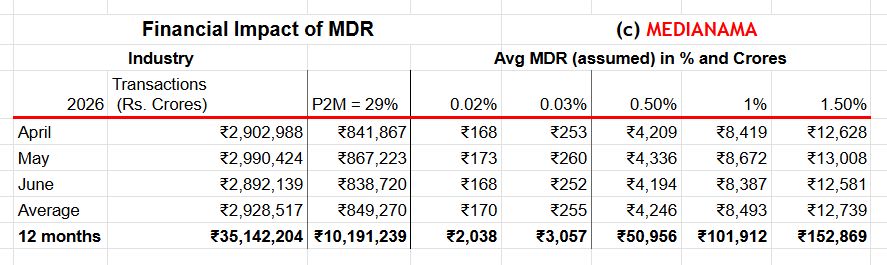
India's government plans to amend the Payment and Settlement Systems Act to restore UPI merchant discount rates, ending the zero-MDR regime in place since January 2020.
Key Takeaways
May 8, 2026 · 2 min read · By Rishabh Bhardwaj
·
AI-assisted, human-reviewed · Our editorial standards
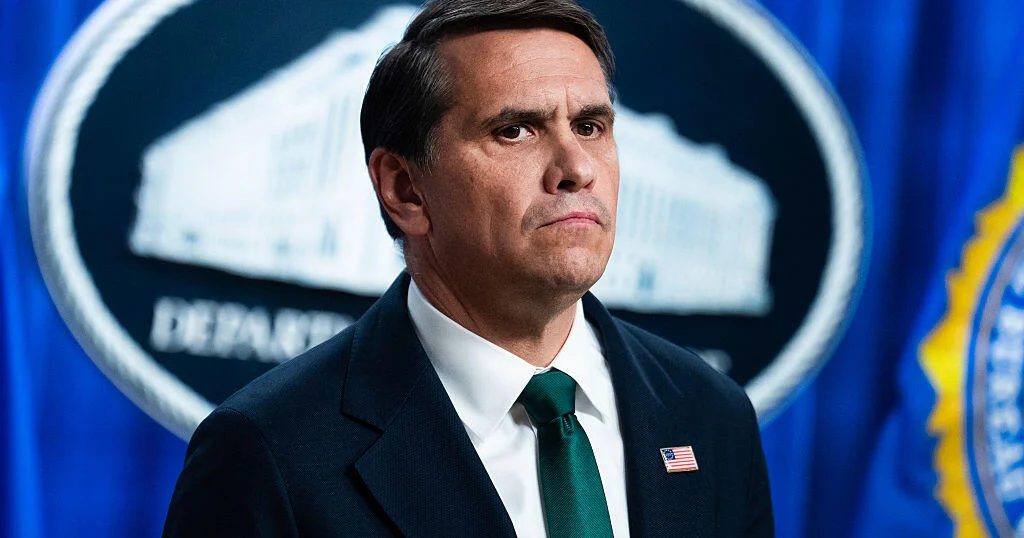
The Trump administration has announced a major expansion of its denaturalization campaign, targeting foreign-born U.S. citizens accused of fraudulently obtaining citizenship. The move marks a significant escalation in immigration enforcement, shifting focus beyond undocumented residents to people who have already completed the naturalization process.
Denaturalization is the legal process of stripping a person of their U.S. citizenship. It is distinct from deportation, though the two can follow in sequence. Historically, the government has used it sparingly, typically in cases involving war criminals, sex offenders who lied on applications, or individuals who concealed serious crimes during the citizenship process.
The administration has not specified in this announcement exactly how many people are being targeted or which categories of fraud are the primary focus. What is clear is that the scope of the campaign is being deliberately widened beyond its previous scale.
Expanding denaturalization efforts creates a new layer of legal vulnerability for naturalized citizens, a group of roughly 23 million people in the United States. Even if the vast majority face no risk, a broader campaign means more resources directed at reviewing past citizenship approvals, more cases in immigration courts, and more people facing potential loss of the rights that come with citizenship: voting, sponsoring relatives, and holding certain federal jobs.
The legal bar for denaturalization is high, the government must prove fraud or misrepresentation in court, but the process itself can be disruptive and expensive for individuals targeted, regardless of the outcome. Civil liberties organizations have previously raised concerns that aggressive denaturalization campaigns can be used to pressure immigrant communities more broadly.
This expansion fits within a wider pattern of the Trump administration using existing legal tools to increase immigration enforcement across multiple fronts simultaneously, border crossings, visa holders, asylum seekers, and now naturalized citizens.
Watch for: court challenges from civil liberties groups, details on how many cases the Justice Department is actively pursuing, and whether Congress moves to codify or constrain the administration's authority in this area.
India's government plans to amend the Payment and Settlement Systems Act to restore UPI merchant discount rates, ending the zero-MDR regime in place since January 2020.
India's government has introduced the Taxation and Other Laws (Amendment) Bill, 2026, proposing changes to payments regulation, income tax, and the Finance Act to attract FDI and support Make in India. The Bill's final shape will depend on parliamentary debate and committee review.
The government's Taxation and Other Laws (Amendment) Bill, 2026, proposes to replace the blanket UPI MDR ban with a system allowing the Centre to notify which payment modes stay fee-free.
Prime Minister Narendra Modi inaugurated the Rs 5,000 crore Bhogapuram greenfield airport in Andhra Pradesh, built under a public-private partnership model. He also laid foundation stones for infrastructure projects worth nearly Rs 18,000 crore in the state, signalling a broad investment push for the region.