
Qatar Signals Progress in US-Iran War Talks
Qatar's foreign ministry said mediators including Qatar, Pakistan, and Oman have reached "very progressive stages" in efforts to end the US-Iran war, pushing Brent crude down more than four percent.
Key Takeaways
June 22, 2026 · 4 min read · By Rishabh Bhardwaj
·
AI-assisted, human-reviewed · Our editorial standards
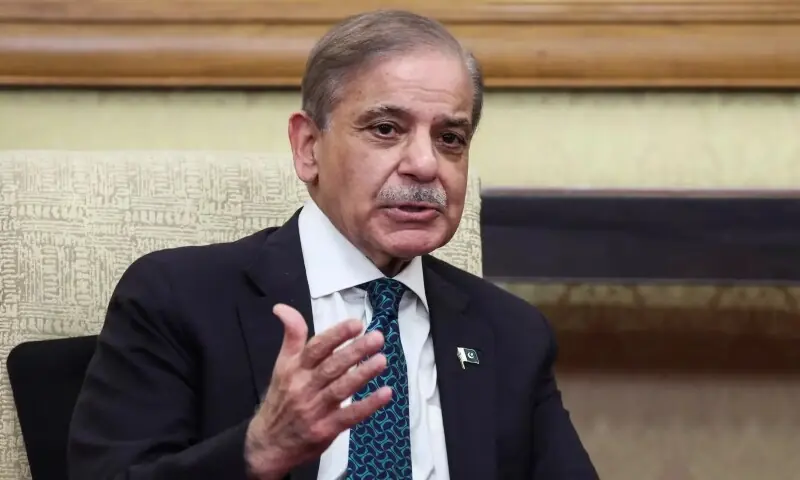
Pakistan's Prime Minister Shehbaz Sharif said on Saturday that a peace deal between the United States and Iran is expected to be signed within 24 hours, with Islamabad preparing for an electronic signing and technical-level talks to follow. The announcement comes after months of conflict, mediation, and near-collapse that brought the two countries to the edge of full-scale war just days ago.
The deal, which Iranian Foreign Minister Abbas Araghchi has labelled the "Islamabad Memorandum of Understanding," would formally end a conflict that began on February 28, 2026, when the US and Israel launched joint strikes on Iran. The two sides traded blows until a ceasefire was reached in April, with Pakistan playing a central mediating role. A round of talks in Islamabad that month failed to produce a deal after 21 hours of negotiations, leaving the situation fragile.
That fragility was on full display this week. On Wednesday night, the conflict appeared to reignite when a US Apache attack helicopter went down near the Strait of Hormuz and both sides exchanged strikes. On Thursday, President Trump warned of "bigger" bombing raids, but cancelled them after what he described as discussions with senior Iranian leadership. The reversal opened the door for the current push toward finalisation.
Pakistan's role has been the structural backbone of this process. Pakistan's Ministry of Foreign Affairs has coordinated directly with both Washington and Tehran throughout, and PM Shehbaz confirmed Islamabad is now managing the logistics of the signing itself. That Pakistan, a non-permanent party to the conflict, is preparing the electronic signing mechanism signals a high level of institutional trust from both sides.
Trump, posting on Truth Social, confirmed that the deal framework has been approved by a broad coalition. The list he named includes the United States, Israel, Saudi Arabia, UAE, Qatar, Turkiye, Pakistan, Bahrain, Kuwait, Jordan, and Egypt. That alignment is significant: it suggests the agreement carries regional endorsement, not just bilateral consent. Getting Israel and Iran's Gulf Arab neighbors to agree on the same text, even in concept, is a major diplomatic achievement if the deal holds.
Araghchi called on media to avoid speculation until the deal is formally announced, promising full public disclosure of details afterward. His framing of the deal as an MOU rather than a formal treaty may reflect the need for flexibility, since an MOU is easier to sign quickly and can be followed by a more detailed agreement through the "technical-level talks" PM Shehbaz mentioned.
The immediate consequence of a signed MOU would be a formal end to active hostilities between the US and Iran, which have disrupted global energy markets and raised shipping risks across the Persian Gulf since February. The Strait of Hormuz, through which roughly 20 percent of global oil supply passes, has been a flashpoint throughout the conflict. Any reduction in military activity near the strait would ease pressure on oil prices and freight insurance costs.
For India, the deal carries direct relevance. India depends heavily on Gulf energy exports and has significant trade and diaspora links across the region. A stabilised Iran-US relationship would reduce energy price volatility and reopen trade routes that have faced elevated risk premiums for months.
The broader test is durability. The April ceasefire held for weeks before unravelling this past Wednesday. An MOU signed electronically, even with broad regional backing, will need enforcement mechanisms and follow-on negotiations to address the underlying disputes that started the conflict. PM Shehbaz's reference to "technical-level talks" after signing suggests both sides know the MOU is a starting point, not an end state.
What to watch: whether the signing occurs within PM Shehbaz's stated 24-hour window, the specific terms disclosed after signing, and whether the technical talks produce a durable framework before either side walks back its commitments.
Qatar's foreign ministry said mediators including Qatar, Pakistan, and Oman have reached "very progressive stages" in efforts to end the US-Iran war, pushing Brent crude down more than four percent.
Qatar confirmed it is mediating between the US and Iran but said no direct talks are currently planned. The clarification follows conflicting statements from President Trump, who claimed talks are under way, and Tehran, which denied any dialogue is happening.
Saudi Aramco reported sharply higher second-quarter 2026 profits as the Iran war restricts global oil supply and pushes crude prices up. Other oil supermajors also posted outsized earnings, raising concerns about sustained fuel cost pressure for importing economies.
President Trump called current Iran negotiations the "last chance" to end five months of conflict, pushing oil prices higher. Tehran denied formal talks are taking place, raising the risk of a diplomatic breakdown with direct consequences for global energy markets.