Qatar Signals Progress in US-Iran War Talks
Qatar's foreign ministry said mediators including Qatar, Pakistan, and Oman have reached "very progressive stages" in efforts to end the US-Iran war, pushing Brent crude down more than four percent.
Key Takeaways
May 10, 2026 · 2 min read · By Rishabh Bhardwaj
·
AI-assisted, human-reviewed · Our editorial standards
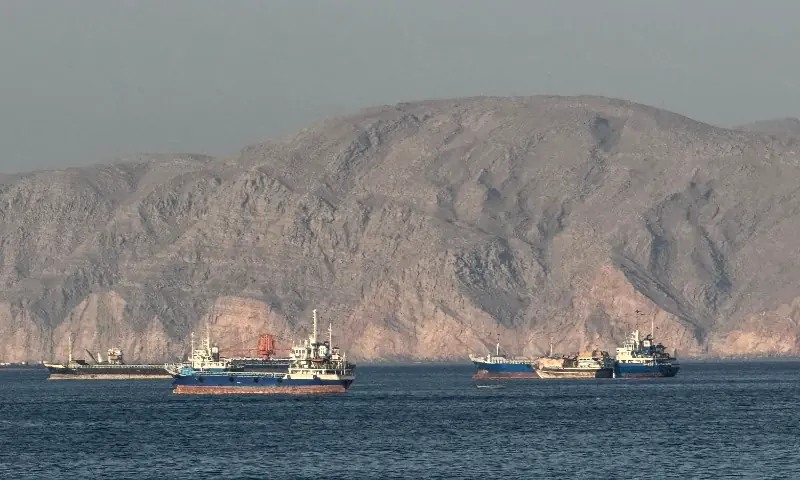
A fragile ceasefire between the United States and Iran is under immediate pressure, with Gulf states reporting a wave of drone attacks that hit a cargo ship off Qatar's coast and were repelled by Kuwait and the United Arab Emirates.
The incidents signal that armed activity in the Gulf has not stopped despite the ceasefire framework. A cargo vessel was struck in waters near Qatar, while Kuwaiti and Emirati air defenses intercepted additional drones. The source of the drones has not been confirmed in the available reporting, but the timing, shortly after a US-Iran ceasefire was announced, puts the incidents at the center of regional security concerns.
The Persian Gulf and its surrounding waters are among the world's most critical shipping corridors. A significant share of global oil exports, along with enormous volumes of liquefied natural gas, move through these lanes. Any sustained drone campaign targeting commercial vessels raises freight costs, pushes up war-risk insurance premiums, and can prompt shipping companies to reroute vessels around the Arabian Peninsula, adding days and cost to global supply chains.
Qatar is a major LNG exporter and hosts a large US military base. The UAE, particularly Dubai and Abu Dhabi, functions as a regional trade and logistics hub. Attacks near or on their waters carry outsized economic weight beyond the immediate damage to any single vessel.
The key question is whether these drone strikes represent a deliberate effort to undermine the ceasefire or are the actions of actors operating outside any formal agreement. Iran-aligned groups, including Houthi forces in Yemen, have previously conducted drone and missile attacks on Gulf shipping and infrastructure. Whether the ceasefire explicitly covers such proxy activity, or is limited to direct US-Iran hostilities, will shape how quickly the fragile calm holds or collapses.
Markets will be watching oil prices and shipping rates closely. If attacks continue or escalate, energy markets could reprice risk upward, particularly for Gulf-origin crude and LNG. Diplomatic signals from Washington, Tehran, and Gulf capitals in the coming days will indicate whether the ceasefire can absorb this pressure or is already breaking down.
Qatar's foreign ministry said mediators including Qatar, Pakistan, and Oman have reached "very progressive stages" in efforts to end the US-Iran war, pushing Brent crude down more than four percent.
Qatar confirmed it is mediating between the US and Iran but said no direct talks are currently planned. The clarification follows conflicting statements from President Trump, who claimed talks are under way, and Tehran, which denied any dialogue is happening.
Saudi Aramco reported sharply higher second-quarter 2026 profits as the Iran war restricts global oil supply and pushes crude prices up. Other oil supermajors also posted outsized earnings, raising concerns about sustained fuel cost pressure for importing economies.
President Trump called current Iran negotiations the "last chance" to end five months of conflict, pushing oil prices higher. Tehran denied formal talks are taking place, raising the risk of a diplomatic breakdown with direct consequences for global energy markets.