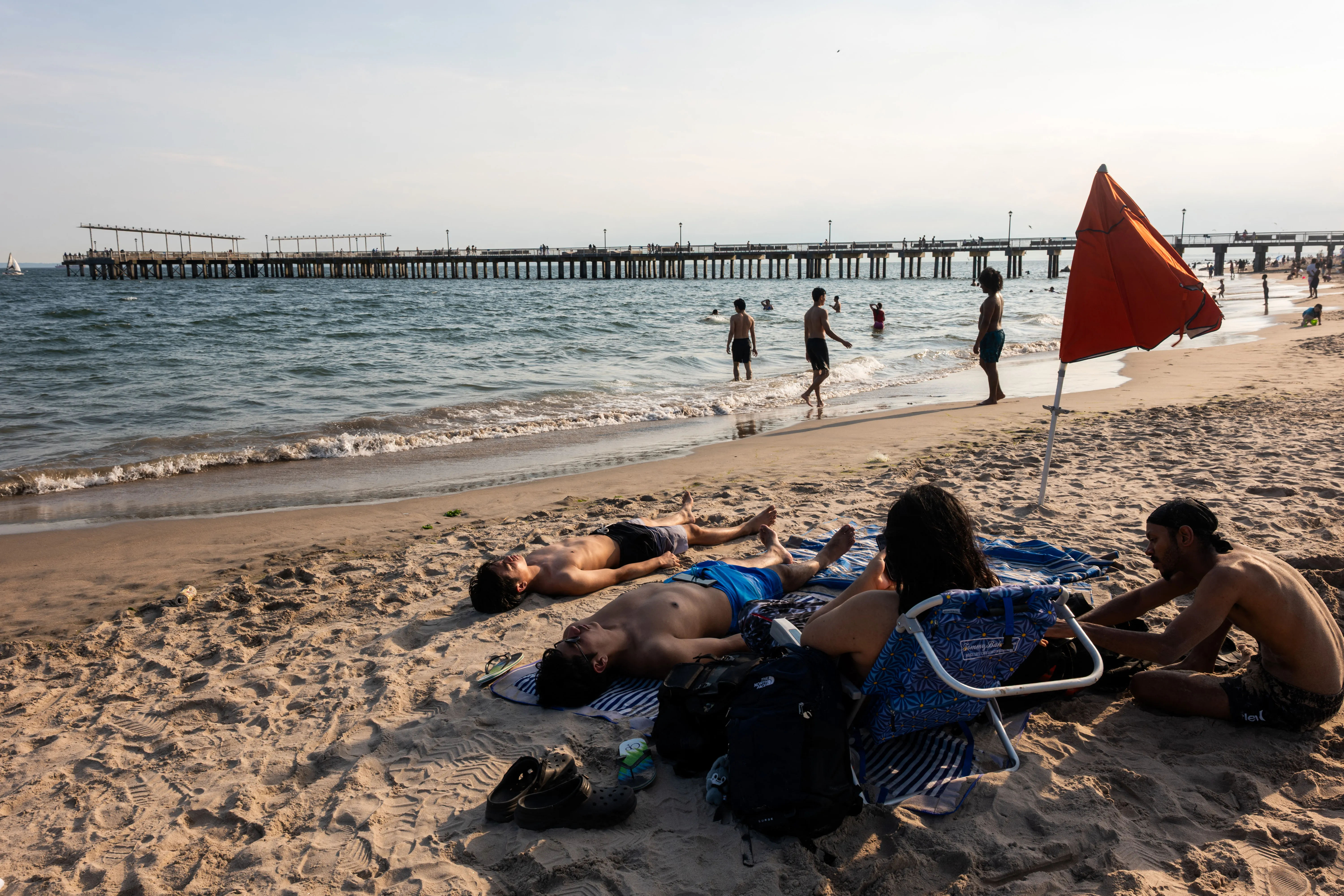
A major heatwave sweeping the United States is pushing electricity demand toward record levels just as the country heads into the Fourth of July weekend, and grid operators are warning the timing could not be worse.
The concern is not just about air conditioners running at full blast across millions of homes. The US power grid is now carrying a structurally heavier load than it did even a few years ago, largely because of the explosive growth in data centers powering artificial intelligence workloads. AI model training and inference require enormous, continuous electricity draws, and those loads do not ease off during a heatwave the way industrial demand sometimes does.
Why the grid is under more strain than past summers
Grid operators have flagged that the combination of residential cooling demand and relentless data center consumption is compressing the safety margin that utilities rely on during peak events. In past summers, a heatwave would spike residential and commercial demand, but the grid had more headroom. Today, baseline demand is higher because hyperscale data centers operate at near-constant load year-round. When a heatwave layers on top of that base, the gap between available supply and peak demand narrows quickly.
The Fourth of July weekend compounds the risk. Holiday weekends typically see maintenance crews reduced, some generating units offline for scheduled work, and coordination between regional grid operators more stretched. A simultaneous surge in demand across multiple states can force operators to issue emergency alerts, request voluntary conservation, or in the most severe cases, implement controlled outages to prevent a wider collapse.
AI-driven energy demand has become one of the most closely watched variables in US power markets over the past two years. Major technology companies have committed to building out vast new data center campuses, and the electricity contracts tied to those facilities are reshaping demand forecasts for regional grids from Virginia to Texas to the Pacific Northwest. Utilities and independent grid operators have had to revise their long-range capacity plans upward, and in some regions, new generation and transmission projects are struggling to keep pace with the speed of data center construction.
What this means for markets and households
Wholesale electricity prices tend to spike sharply during peak demand events, and those spikes can feed through to retail rates, particularly for commercial customers on variable-rate contracts. Households in regions without fixed-rate plans may see higher bills. Businesses that rely on uninterrupted power, from manufacturers to hospital systems to financial firms, face elevated operational risk during any period when grid reserves are thin.
For energy markets, a near-record demand event over the holiday weekend would reinforce the investment case for new generation capacity, grid storage, and transmission infrastructure. It also adds urgency to regulatory conversations about how grid operators should account for AI-driven baseline load growth when setting reserve margin requirements, a question that the Federal Energy Regulatory Commission and regional transmission organizations are actively working through.
Investors watching utility stocks and power producers will be focused on whether any grid stress events materialize, and whether grid operators issue emergency notices, both of which tend to move sector sentiment. Natural gas peaker plants, which fire up specifically to meet high-demand spikes, are likely to see elevated utilization over the weekend, which in turn affects spot gas prices.
The broader pattern here is structural, not cyclical. Heatwaves have always tested US grids, but the AI build-out has raised the floor on baseline demand in a way that makes each summer stress event a higher-stakes test than the last. Grid operators, utilities, and policymakers are under pressure to close the gap between where capacity is today and where demand is heading, and this weekend is an early real-world exam of how well the system holds up.