Qatar Signals Progress in US-Iran War Talks
Qatar's foreign ministry said mediators including Qatar, Pakistan, and Oman have reached "very progressive stages" in efforts to end the US-Iran war, pushing Brent crude down more than four percent.
Key Takeaways
May 8, 2026 · 2 min read · By Rishabh Bhardwaj
·
AI-assisted, human-reviewed · Our editorial standards
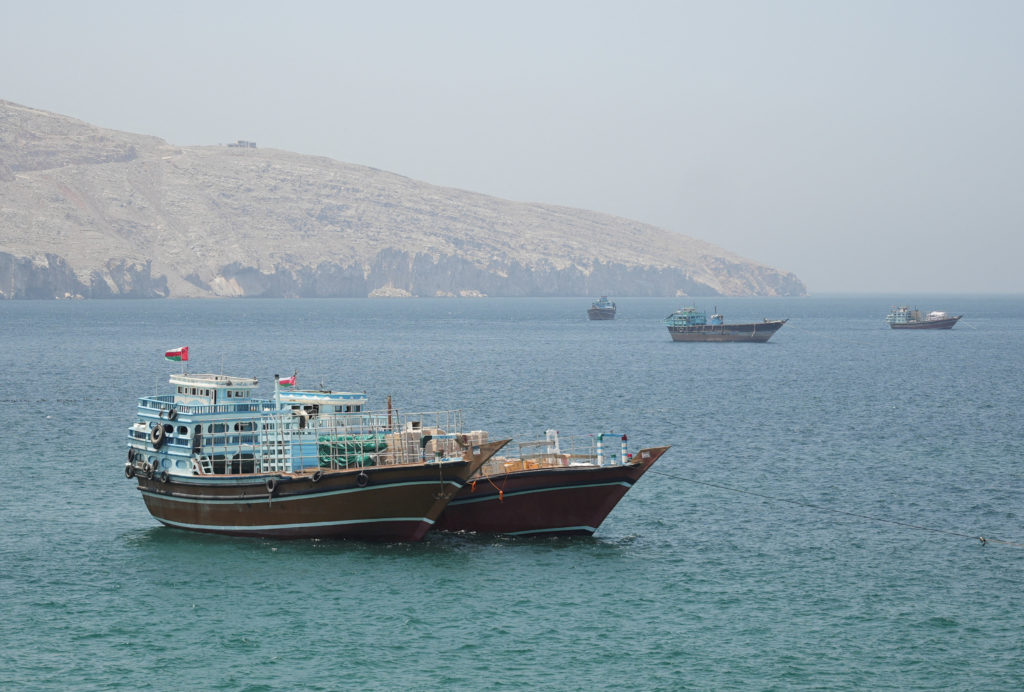
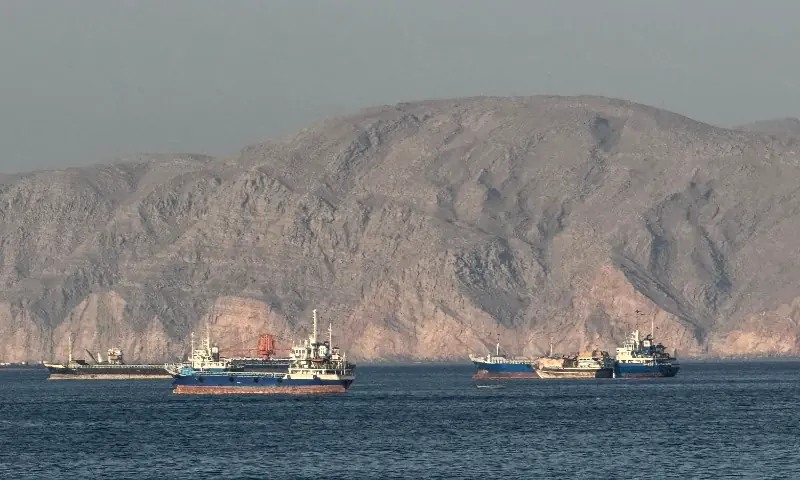
U.S. forces attacked and disabled two Iranian tankers in the Strait of Hormuz, escalating a standoff that is already straining a ceasefire both sides have claimed to honor.
The strikes add to a pattern of direct U.S. military action against Iranian vessels in one of the world's most critical shipping lanes. Roughly one-fifth of global oil supply passes through the Strait of Hormuz, making any sustained disruption there a live concern for energy markets worldwide.
The United States has maintained that a ceasefire, now about a month old, remains in effect. These latest attacks complicate that position considerably. Firing on and disabling Iranian ships is a hard action to square with a standing ceasefire, and the episode raises questions about whether the agreed terms cover naval assets, who holds authority to authorize strikes, and whether either side's stated commitment to the truce still holds.
Iran has not historically absorbed attacks on its vessels without response, whether through proxies or direct action. Any Iranian retaliation in or near the strait could tighten shipping lanes, lift insurance premiums for tankers transiting the region, and push oil prices higher in short order.
The immediate questions are whether Iran responds and how the U.S. characterizes these strikes under its own ceasefire framework. If Washington describes the tankers as violating sanctions or carrying prohibited cargo, that framing would signal a deliberate policy choice rather than a miscalculation. If no explanation is offered, ambiguity itself becomes a market and diplomatic risk.
Energy traders will be watching Hormuz transit volumes and tanker routing data closely. A widening of the conflict or a formal Iranian declaration that the ceasefire is void would likely move crude prices quickly. Diplomatic channels between the two countries, already thin, face fresh pressure to either clarify the rules of engagement or absorb another escalation quietly.
Qatar's foreign ministry said mediators including Qatar, Pakistan, and Oman have reached "very progressive stages" in efforts to end the US-Iran war, pushing Brent crude down more than four percent.
Qatar confirmed it is mediating between the US and Iran but said no direct talks are currently planned. The clarification follows conflicting statements from President Trump, who claimed talks are under way, and Tehran, which denied any dialogue is happening.
Saudi Aramco reported sharply higher second-quarter 2026 profits as the Iran war restricts global oil supply and pushes crude prices up. Other oil supermajors also posted outsized earnings, raising concerns about sustained fuel cost pressure for importing economies.
President Trump called current Iran negotiations the "last chance" to end five months of conflict, pushing oil prices higher. Tehran denied formal talks are taking place, raising the risk of a diplomatic breakdown with direct consequences for global energy markets.